The Gut-Brain Connection: What’s Real and What’s Wellness Hype
Your gut and your mood are in constant conversation. That doesn’t make your stomach the boss of your feelings.
Table of Contents
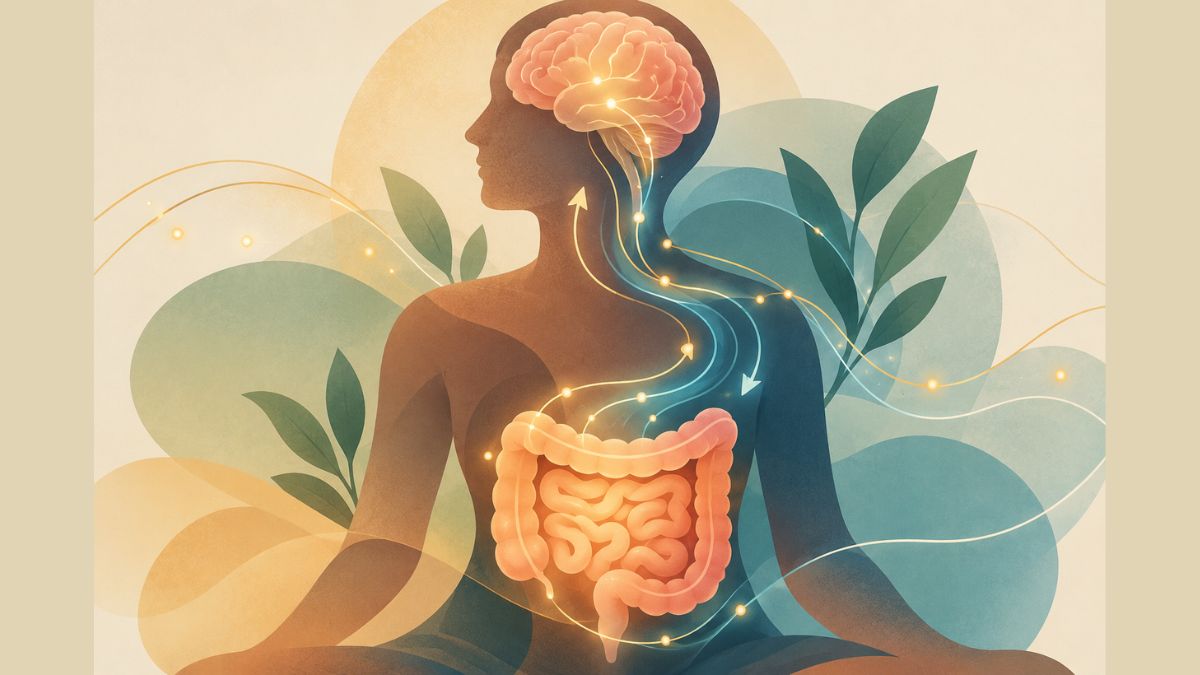
The gut-brain connection is real. Your digestive system and your brain are in constant two-way contact through nerves, hormones and chemical signals, which is why stress can unsettle your stomach and digestive discomfort can drag your mood down. What the evidence doesn’t support are the big wellness promises. Your gut doesn’t control all your emotions, and no food, supplement or “gut fix” can cure anxiety or depression. Regular meals, sleep, movement and ways of managing stress can support both your gut and your wellbeing, alongside proper care rather than instead of it.
Have you ever noticed how your stomach seems to know you’re stressed before your mind catches up? You have an important presentation, and suddenly your stomach is in knots. You’re anxious before an exam, and breakfast feels impossible. You’ve had a difficult week, and now you’re bloated, constipated or reaching for snacks every evening.
It’s easy to see why the internet is full of dramatic claims about the gut-brain connection. “Heal your gut and you’ll never feel anxious again.” “Your gut controls all your emotions.” “Fix your microbiome and fix your life.” The truth is much more interesting, and much less sensational.
Yes, your gut and your brain are deeply connected. No, your gut isn’t a magical control centre that decides your mood. Understanding the difference can help you make better choices without falling for the hype.
| What is the gut-brain axis? The gut-brain axis is the two-way communication network between your digestive system and your brain. It runs through nerves, hormones, immune signals and chemical messengers, and it helps explain why emotions and digestion so often affect each other. |
Your digestive system doesn’t work in isolation. The gut has its own network of nerves and is in constant contact with the brain. Signals travel both ways: the very thought of eating can set your stomach’s digestive juices flowing, and a troubled gut can send signals back up to the brain.
Think about some common experiences:
None of these is unusual. They’re everyday examples of how closely your gut and brain work together.
Many articles make it sound as though everything starts in the gut. That’s not quite true. The conversation goes both ways:
It’s less like one organ controlling another and more like two close friends who constantly influence each other. So yes, ongoing digestive discomfort can wear your mood down, just as a stressful stretch can unsettle your stomach. What it doesn’t mean is that your gut is secretly running your emotions.
The trillions of bacteria living in your gut, known as the gut microbiome, are where the hype runs hottest. Researchers have found differences in gut bacteria between people with and without depression or anxiety, but the findings are inconsistent, and it isn’t yet clear which way round the link runs. A 2025 systematic review also noted that factors such as diet and medication can muddy the picture.
Probiotics are a similar story. The US National Center for Complementary and Integrative Health notes that much remains to be learned about whether they help, and that different strains can have very different effects. They are not a replacement for treatment for anxiety or depression.
The microbiome may well be one part of the gut-brain story. Researchers are still working out which changes matter, for whom, and whether they cause symptoms or result from them.
Yes, and stress doesn’t always look like stress. We tend to picture major life events, but your gut may also react to everyday pressures:
Your digestive system can respond to big and everyday pressures alike, although how strongly depends on how intense the stress is, how long it lasts and the person going through it.
So why do emotions seem to settle in your stomach? During a stress response, the body puts its energy into getting through the moment. Digestion doesn’t stop, but stress can speed the gut up or slow it down and make it more sensitive to discomfort. Some people notice a loss of appetite, feeling unusually full, bloating, constipation or loose stools.
These reactions vary from person to person. Some people barely notice any digestive changes; others feel them immediately. Part of the reason is sensitivity: stress and anxiety can heighten how strongly gut sensations are felt, so the same amount of gas or movement can feel far more uncomfortable on a tense day. Neither response is “right” or “wrong”.
Stress doesn’t only affect digestion; it often changes how you eat. Some people skip meals, some snack continuously, some crave sweet foods and others lose interest in eating altogether.
Those habits can then affect how your gut feels. For some people, skipping an earlier meal means arriving at dinner ravenous and overeating. A late snack can feel uncomfortable, particularly if it’s large or you lie down soon after. And eating quickly on a stressful day can add to gas and bloating, which is one reason eating mindfully helps.
Notice how this isn’t just about mood. It’s about the routines a mood creates.
Imagine sleeping only five hours. The next morning you feel tired. You grab extra coffee, breakfast gets skipped, lunch is rushed. By evening, you’re exhausted and hungry.
Was it poor digestion? Poor mood? Poor sleep? Probably a combination of all three. That’s why looking at your health as a connected system often makes more sense than blaming a single cause.
Here’s where many wellness claims become misleading. No single food can cure stress. No ingredient can guarantee happiness. And no fibre-rich meal can replace professional support for anxiety or depression.
What food can do is support your body’s normal functioning. Balanced meals give your body what it needs, including fibre from whole grains, vegetables, fruit and pulses, alongside protein and healthy fats. Fibre helps keep digestion moving and feeds the helpful bacteria in your gut.
A familiar roti is a good example. Aashirvaad Chakki 100% Khapli Atta provides about 11.4g of fibre per 100g, on a par with whole wheat atta and nearly four times the fibre of maida. Rotis made with it, served with dal, a sabzi and a glass of water, make an everyday meal that supports digestion. If your digestion is sensitive, add extra fibre gradually, as some people find it makes them gassy at first.
That’s very different from claiming a food can “fix” your mood.
Search online for the gut-brain connection and you’ll quickly find expensive supplements and trendy “gut” products. Before reaching for any of them, check the basics: regular meals, enough sleep and water, movement on most days, and real breaks on stressful days. They’re less exciting than the latest trend, but far easier to sustain.
One habit deserves a special mention here: calming the stress response itself. Practices such as breathing exercises, meditation and yoga can ease digestive symptoms, and studies have found that adding psychologically based approaches to conventional medical care can lead to greater improvement in digestive symptoms. A few minutes of diaphragmatic breathing or some gentle yoga poses for digestion are easy places to start.
Life is messy. Some weeks are stressful, travel disrupts routines, and deadlines and family emergencies happen. One stressful day doesn’t mean you’ve damaged your gut, and one “perfect” meal doesn’t erase months of irregular habits. A single meal or a stressful event can still trigger short-term symptoms, but for your overall health, patterns over time tend to matter more. That’s good news: small improvements, repeated, really do add up.
Instead of asking, “Is my gut causing my mood?”, try looking back over the past week with these questions:
There are no right or wrong answers. The goal is simply to notice patterns. And if writing things down about food starts to make you anxious, skip it; noticing is enough.
Happy Tummy GPT can help you organise what you’ve noticed and suggest practical changes. It can’t diagnose a condition, so take persistent symptoms to a doctor. Try one of these prompts: “Here’s a summary of my past week’s meals, sleep, stress levels, hydration, activity and digestive symptoms. Can you help me identify any connections between my daily routine, mood and gut health? Please focus on practical lifestyle patterns rather than quick fixes.”“Help me create a simple one-week routine that includes balanced meals, regular hydration, movement and meal timings to support my digestive health during busy workdays.”
If ongoing low mood, anxiety or digestive symptoms are interfering with your daily life, speak to a qualified healthcare professional. Looking after your gut and looking after your mental health can go hand in hand; they don’t have to be separate conversations.
If symptoms continue, are severe, or keep coming back, it’s worth speaking to a doctor. Sudden weight loss, blood in stool, severe or persistent pain, or difficulty swallowing need prompt medical attention.
For mental-health support in India, Tele-MANAS, the Government of India’s free mental-health helpline, is available 24×7 on 14416, in over 20 Indian languages.
The gut-mood connection is real, but it isn’t magic. Your digestive system and brain communicate constantly, which is why stress can unsettle your stomach and digestive discomfort can affect how you feel. That doesn’t mean food alone controls your emotions, or that fixing your gut will solve every mental-health challenge.
The bigger picture is less glamorous and more useful: regular meals, whole grains, fruit and vegetables, water, movement, sleep and realistic routines, all working together. Sometimes the most helpful insight isn’t a miracle food at all, but the patterns your body has been trying to show you all along.
This article is for general information only and is not a substitute for professional medical advice, diagnosis or treatment. Always consult a doctor or a qualified healthcare professional about any health concerns, or before making changes to your diet, especially if you are pregnant, managing a medical condition, or making changes for a child or an older adult.
The gut-brain axis is the two-way communication network between your digestive system and your brain. It works through nerves, hormones, immune signals and chemical messengers, which is why emotions can affect digestion and digestive symptoms can affect how you feel.
It can play a part. Ongoing digestive discomfort can affect how you feel, and the gut and brain constantly exchange signals. But the link runs both ways, and your gut is one influence on mood among many, alongside sleep, stress and what’s happening in your life.
Yes. Stress can speed up or slow down digestion and make the gut more sensitive, which can lead to bloating, constipation, loose stools or a loss of appetite. If symptoms are persistent or severe, see a doctor.
The evidence is still unclear. Research is ongoing, results vary, and different strains behave differently. Probiotics are not a substitute for treatment for anxiety or depression, so speak to a doctor before relying on them.
Focus on the basics: regular, balanced meals with enough fibre and water, good sleep, movement on most days, and calming practices such as breathing exercises or yoga. No single food or supplement “fixes” it.