Five Things People Get Wrong About Digestive Cancers, From Someone Who Operates on Them
Dr Sanket Mehta separates common misconceptions from clinical reality: from family history and screening to surgery and the limits of healthy eating.
Table of Contents
No. Family history is one part of risk assessment, but many people who develop gastrointestinal cancers have no striking family history. Age, symptoms, personal medical history and other risk factors also matter.
One of the common misconceptions I encounter is that if there is no pain, no weight loss and no obvious digestive problem, there cannot be anything serious. Unfortunately, that is not always true. Some cancers can remain clinically quiet in their earlier stages, while the symptoms, when they do appear, may look like ordinary acidity, indigestion or changes in bowel habits.
I would not want people to become anxious about every digestive symptom. The message is quite different: absence of symptoms should not be mistaken for proof that everything is fine, particularly when someone falls into a group for whom screening is recommended. Screening is not about looking for cancer in everyone; it is about finding disease early in the people and situations where there is evidence that screening can help.
There’s been real, documented discussion in recent years about rising rates of certain digestive cancers in younger adults, which has genuinely shifted how some screening guidelines are framed. Age remains an important risk factor for digestive cancers, but it should not become a reason to dismiss symptoms in a younger person. In my practice, we do see younger patients with cancers that traditionally were associated more strongly with older age. That does not mean every digestive complaint in a 30- or 40-year-old is cancer; it means age alone should not determine whether we investigate a persistent or concerning symptom.
Screening, however, needs to be separated from symptom-based evaluation. There is no single screening age for every digestive cancer. For colorectal cancer, several international guidelines now recommend starting screening at 45 for people at average risk, while those with a family history, hereditary risk or other high-risk factors may need to begin earlier and follow a different schedule.
My message to younger patients is simple: do not panic because you are young, but do not use your age as reassurance when something is clearly not normal. Persistent bleeding, unexplained weight loss, a sustained change in bowel habits, difficulty swallowing or recurring symptoms deserve proper medical evaluation, regardless of whether you are 35 or 65.
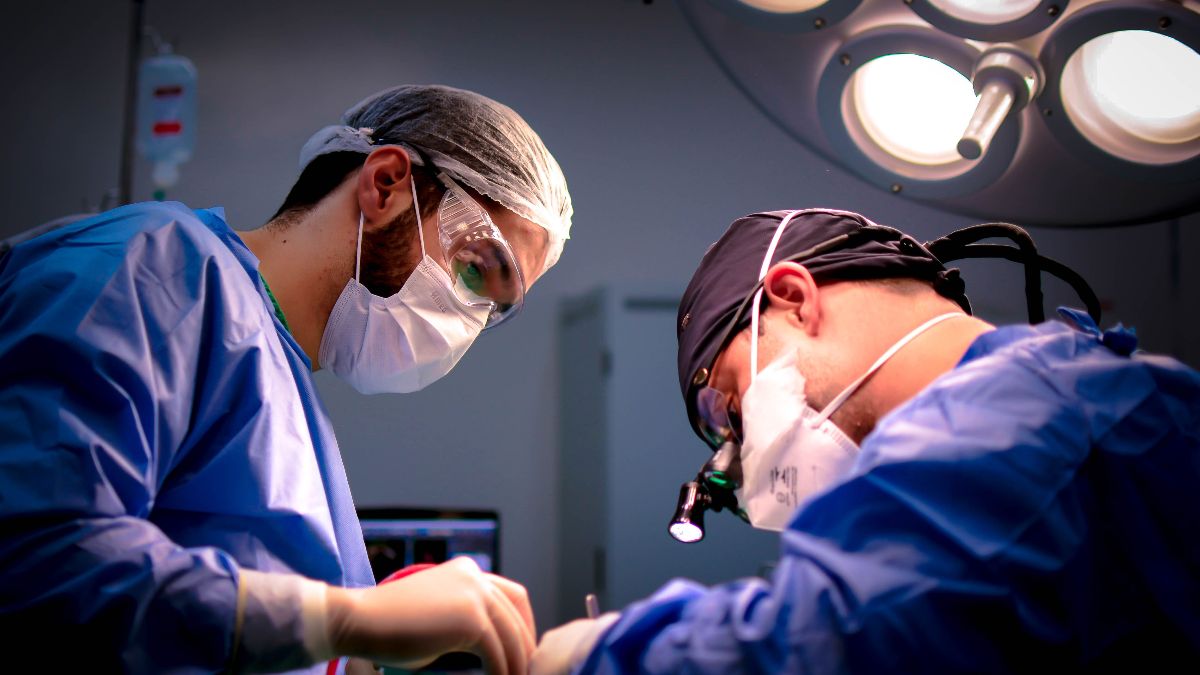
When people hear the word cancer surgery, they often imagine a large incision, a long hospital stay and a very difficult recovery. That is no longer the reality for every patient. In carefully selected cases, laparoscopic and robotic surgery allow us to perform complex cancer operations through much smaller incisions.
The benefit is not simply cosmetic. Smaller incisions can mean less pain, earlier mobilisation and a smoother recovery, allowing patients to get back to their normal routines sooner. But I would also emphasise that minimally invasive surgery is not automatically better just because it is minimally invasive. The priority is always complete and safe cancer removal. The surgical approach should be decided based on the type, location and stage of the cancer, and what will give that particular patient the best outcome.
Today, we have the ability to combine specialist surgical expertise with advanced technology to make even complex procedures more precise and, where appropriate, less invasive. So surgery should not be feared based on what it looked like decades ago. The right question is not, ‘Will my surgery be big?’ but, ‘What is the safest and most effective way to treat my cancer?’
I strongly believe that a healthy diet is one of the most practical ways we can reduce our overall cancer risk. Eating more whole grains, vegetables, fruits and pulses, maintaining a healthy weight and staying physically active all have a role to play. But I would never tell a health-conscious person that eating well means they no longer need to think about screening or symptoms.
Prevention and early detection are two different strategies, and we need both. A healthy lifestyle can reduce risk, but it cannot eliminate it. Cancer is influenced by multiple factors, including age, genetics, family history, infections and other exposures that may not be under our control.
I would encourage people to think of it as a two-part approach: eat well to reduce your risk, and stay appropriately alert to detect problems early. If you are in an age or risk group for which screening is recommended, a healthy diet should not become a reason to skip it. And if a persistent or unusual symptom develops, it should be evaluated rather than explained away by the fact that you generally live a healthy lifestyle.
None of these five myths are really about being scared of cancer, they’re about the small, ordinary decisions that come from believing something that isn’t quite true, skipping a screening because “it doesn’t run in my family,” waiting for a symptom that may never announce itself clearly, dreading a surgery that looks nothing like it did twenty years ago. Getting the facts right doesn’t mean thinking about this more. It usually means thinking about it a little less, because you’re not carrying around an inaccurate, heavier version of the risk than actually exists.
Dr Sanket S Mehta is a surgical oncologist and the Founder and CEO of SSO Cancer Hospitals.
Disclaimer: This is general information, not a substitute for medical advice, diagnosis, or treatment. If you have questions about your own risk or symptoms, please speak with a doctor directly.
Healthy young people should not live in fear of digestive cancers; the absolute risk remains low. But the rising incidence of some cancers in younger adults means age alone should not make us dismiss persistent or unusual symptoms. The right approach is simple: live well, know your risk factors and family history, and get symptoms that persist, recur or change properly evaluated rather than worrying about every digestive complaint.
Routine screening is generally simple and far less uncomfortable than people imagine, and many tests are non-invasive. Some screenings may involve brief physical discomfort, but they are designed to be quick and safe. The important thing is not to let fear of the process become a reason to delay early detection.
Stress can affect digestion, causing symptoms like acidity, indigestion and changes in bowel habits. But there is no clear evidence that stress alone directly causes digestive cancers. Cancer risk is influenced by several factors, including age, genetics, lifestyle, infections and environmental exposures.
A healthy, high-fibre diet can lower the risk of some digestive cancers, but it does not eliminate the risk. Screening can detect changes or cancers early, sometimes before symptoms appear. So, diet and lifestyle are important but they should complement, not replace, age- and risk-appropriate screening.
Surgery has become more precise and less invasive, with laparoscopic and robotic techniques allowing smaller incisions and greater surgical control. For many patients, this can mean less pain, faster recovery and a shorter hospital stay. The goal is not technology for its own sake; it is to remove the cancer effectively while preserving as much normal function as possible.