The Questions People Ask Me Most About Atta, Answered Honestly
Is Khapli gluten-free? Is maida really that bad? Does chakki grinding matter, and is multigrain always better? A nutritionist answers 12 questions about the flour we eat every day.
Table of Contents
Most questions about atta have less dramatic answers than social media would suggest. Khapli is wheat and contains gluten. Its fibre content is broadly comparable with regular whole-wheat atta, while maida contains substantially less. “Multigrain” is only as useful as the actual blend, chakki grinding can change the way flour and dough behave without automatically making it nutritionally superior, and no single flour is going to fix your digestion. What matters is knowing what is actually in the flour, how it fits into the rest of your diet and which claims are supported by measurements rather than marketing.
Each answer is self-contained, so you can skip to whichever question brought you here. Some of these answers are deliberately unexciting. Flour is a staple, not a supplement, and most of what is worth knowing about it is quite ordinary. Where the evidence is genuinely unsettled, I would rather say so than pick whichever side makes the better headline.
No. Khapli is emmer wheat — a very old type of wheat, but wheat nonetheless — and it contains gluten.
In India, a product making a gluten-free claim must contain no more than 20 mg/kg of gluten. Ordinary wheat atta is nowhere near that category; FSSAI’s standard for atta itself specifies a minimum gluten content of 6% on a dry-weight basis.
If you have coeliac disease, Khapli is not suitable for you, and neither is ordinary atta made from another wheat variety, regardless of how ancient the wheat is or how it has been milled. This is probably the single most common misunderstanding I encounter about Khapli.
What I would not promise is that ancient wheat is automatically “easier to digest” because its gluten is supposedly gentler. Different wheat varieties do have different protein characteristics, but Khapli still contains gluten and should not acquire a digestive-health halo simply because it is an ancient grain.
No, and I would rather you heard that from me than discovered it later.
Aashirvaad Chakki 100% Khapli Atta is reported in the brand’s product documentation at 11.4g of dietary fibre per 100g. Whole-wheat atta in the Indian Food Composition Tables 2017 comes in at 11.36g per 100g. Those are effectively the same number for ordinary dietary purposes.
ALSO READ | What Is Khapli Wheat… And Why Does Your Everyday Roti Deserve It?
The comparison that genuinely changes something on your plate is either of them against maida, which the same Indian composition tables list at 2.76g of dietary fibre per 100g.
If you are already using whole-wheat atta, you are therefore not missing out on fibre because you have not switched to Khapli. You may prefer Khapli for flavour, variety or the way it works in your kitchen, but a dramatic fibre upgrade is not the reason to make the change.
Not in the way it is usually described.
Maida is refined wheat flour, with much of the bran and germ removed during processing. That is why its fibre content falls so sharply compared with whole-wheat atta. But it is not poison, and a poori is not a moral failure.
What matters is proportion. If refined flour is an occasional pleasure alongside a diet built largely around whole grains, dals, vegetables, fruit and other everyday foods, that is a very different dietary pattern from one in which refined flour forms the basis of most meals.
Frequency and the overall diet matter more than turning one ingredient into a moral category.
It can make measurable differences to the flour and dough, but it is important to be precise about what those measurements mean.
Aashirvaad’s Chakki Certificate for its Khapli Atta reports 28.8% damaged starch, compared with a 9.2% roller-mill reference used in the certificate, along with 73% water absorption.
Damaged starch describes starch granules that have been physically disrupted during milling. Damaged starch can absorb substantially more water than intact starch, so the amount present can affect flour hydration and dough behaviour.
Water absorption is exactly what it sounds like: the amount of water flour can take up to reach a specified dough consistency. In chapati research, water absorption has been associated with characteristics such as dough handling and pliability.
ALSO READ | 5 Questions to Ask Before You Believe a Nutrition Claim Online
What I would not do is turn either number into a universal test of whether flour came from a stone chakki or a roller mill. Damaged starch depends on the wheat itself and the intensity and conditions of milling, and current comparisons show that stone- and roller-milled whole-wheat flours do not invariably fall into two cleanly separated groups.
So there is a real, testable flour-science story here. It is mainly about milling, hydration and dough behaviour, not proof that one milling method has automatically made the flour healthier.
It depends entirely on the blend, which is why the answer has to come from the pack rather than from the word on the front.
A multigrain flour combining wheat with bajra, jowar, ragi, pulses or other grains can bring more grain variety into the diet, and variety is useful. But the proportions vary enormously between products. A pack can say “multigrain” even when wheat remains overwhelmingly the main ingredient and the other grains are present in comparatively small amounts.
Turn the pack over. Look at the ingredient list, including the order in which the grains appear, and look at the fibre figure in the nutrition information.
Those tell you considerably more than the word multigrain by itself.
There is no need to, and I would gently push back on the premise.
Most Indian kitchens already run two or three flours for different jobs, and that is a sensible way to cook rather than a failure of commitment. You may prefer wheat atta for rotis, besan for cheela, ragi in one breakfast and jowar or bajra somewhere else in the week.
Choose according to the dish and the household. A flour that nobody in the family will eat is not a nutrition strategy, however good its numbers are.
Shelf life depends on more than one number.
FSSAI sets the maximum moisture content for atta at 14%. Aashirvaad’s certificate reports 10.05% moisture for its tested Khapli product, which means that particular batch sits comfortably below the regulatory maximum.
That does not mean 10.05% moisture alone proves how many months the flour will remain fresh. Whole-grain flour contains the germ and its naturally occurring fats, and storage stability is also affected by oxygen, temperature, packaging, light and how the flour is handled once the pack is opened.
The practical points matter more than the chemistry: keep atta airtight, keep it dry, keep it away from excessive heat and follow the manufacturer’s best-before date.
If the flour develops an obviously stale, bitter or rancid smell, throw it out. Sieving it will not reverse rancidity.
Both can be perfectly good, and I would not tell anyone to abandon a mill they trust.
The honest difference is in what each can offer you. A local chakki gives you flour you may have seen ground, sometimes from grain you selected yourself, and many households value that freshness and familiarity.
A packaged flour from a large manufacturer can offer another kind of reassurance: standardisation and documented batch testing for the parameters the manufacturer actually measures, such as moisture, grain quality or particular milling characteristics.
Neither model automatically produces the nutritionally superior roti.
If you have a trustworthy local mill and like the flour it produces, there is no evidence-based reason to feel you ought to abandon it merely because another flour comes with more paperwork.
More than most people assume, because “high in fibre” is a regulated nutrition claim in India, not merely a vague phrase manufacturers can attach to anything.
For a solid food, FSSAI’s threshold for a high/rich in dietary fibre claim is at least 6g of fibre per 100g. A “source of fibre” claim has a lower threshold of at least 3g per 100g.
So the phrase on the front does tell you that a quantitative condition has been met.
But I would still turn the pack over.
The nutrition panel gives you the actual fibre number, and that is what lets you compare two different flours properly. One may just clear the legal threshold while another contains considerably more.
Front-of-pack language tells you that a standard has been met. The back of the pack tells you by how much.
Only if the recipe genuinely needs it.
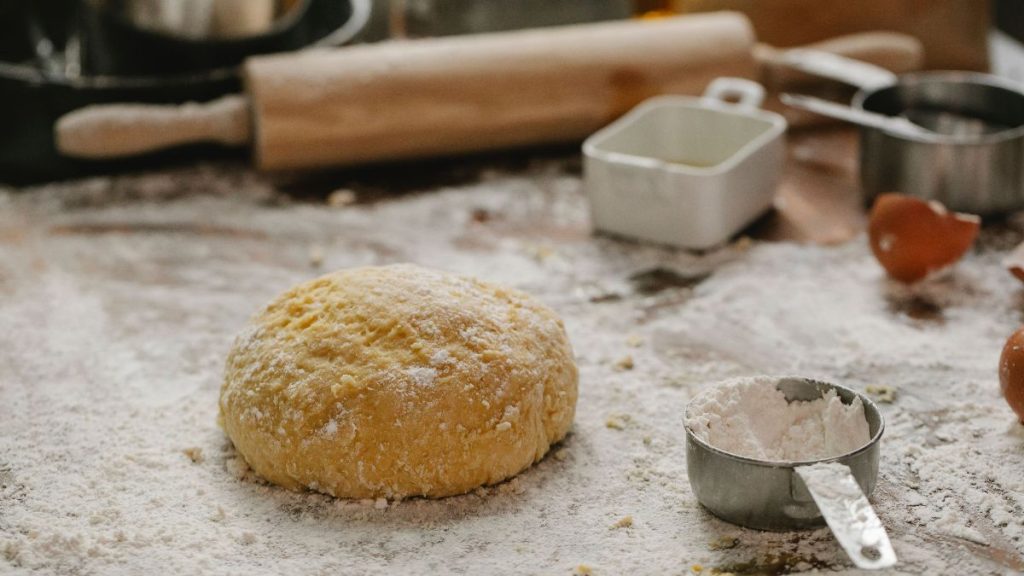
The bran fraction of wheat contains a substantial amount of its dietary fibre, so routinely sieving whole-wheat atta and discarding the coarse bran means removing some of what you bought whole-grain flour to retain.
For most everyday rotis, there is no nutritional requirement to sieve it. Whether you prefer the texture after sieving is a culinary decision, but it is worth knowing what is being removed.
If fibre is part of the reason you chose whole-wheat atta in the first place, regularly throwing the bran away is working against that goal.
This is not the competition it is usually framed as, and most Indian households have been eating both for generations without difficulty.
On a dry-food, per-100g basis, the Indian Food Composition Tables list whole-wheat atta at 11.36g dietary fibre, brown rice at 4.43g and white milled rice at 2.81g.
But you do not eat nutrient databases for lunch.
Rice served with a generous dal, vegetables and other fibre-containing foods can produce a more fibre-rich meal than a roti eaten with very little else. Likewise, a plate containing whole-wheat rotis, dal and sabzi may be very different from one built around refined breads.
Judge the plate, not the grain.
Almost certainly not on its own, and this is the answer I most often have to give.
One ingredient rarely accounts for how a whole diet behaves. If something is genuinely wrong, the flour is unlikely to be either the complete cause or the complete cure, and persistent digestive symptoms deserve proper assessment rather than another shopping decision.
ALSO READ | How to Balance Your Diet After Eating Out Too Many Times
What a whole-grain flour can do is make a useful contribution to your daily fibre intake. The rest still comes from the broader pattern: dals and other pulses, vegetables, fruit, nuts and seeds, other whole grains and the foods you actually eat alongside the roti.
That is a useful contribution to a larger picture. It is not a fix.
No. Khapli is emmer wheat and contains gluten. It is not suitable for people with coeliac disease or anyone who has been medically advised to follow a strict gluten-free diet.
Not substantially in the figures used here. Aashirvaad Chakki 100% Khapli Atta reports 11.4g fibre per 100g, while ICMR-NIN’s Indian Food Composition Tables list whole-wheat atta at 11.36g per 100g.
Maida is a refined wheat flour with considerably less fibre than whole-wheat atta, but an individual maida-based food does not determine the quality of your entire diet. Frequency and the overall dietary pattern matter.
Not automatically. It depends on which grains are present, their proportions and the overall nutrient profile. Check the ingredient list and nutrition panel rather than relying on the word multigrain.
For a solid food in India, FSSAI permits a “high” or “rich in dietary fibre” claim when the product contains at least 6g dietary fibre per 100g.
A particular milling process can change flour characteristics such as particle size, damaged starch and water absorption. Those changes may affect dough behaviour and texture, but they do not by themselves prove that the flour has acquired a separate health benefit.
Neither is inherently better. A local chakki may provide freshness, visibility and control over the grain, while packaged flour can provide documented standardisation and batch testing. The better option is the one whose quality you trust and that fits your household.
You can if a particular recipe or texture calls for it, but discarding bran also removes part of the fibre-rich outer portion of the wheat kernel.
There is no universal winner. Whole-wheat atta contains more fibre per 100g than the rice figures cited here, but the nutritional quality of your meal depends on the entire plate, including dal, vegetables, protein sources and portion sizes.
No single flour should be expected to cure persistent digestive symptoms. Whole-grain atta can contribute fibre, but persistent constipation, bloating, pain or other gastrointestinal symptoms deserve proper assessment.