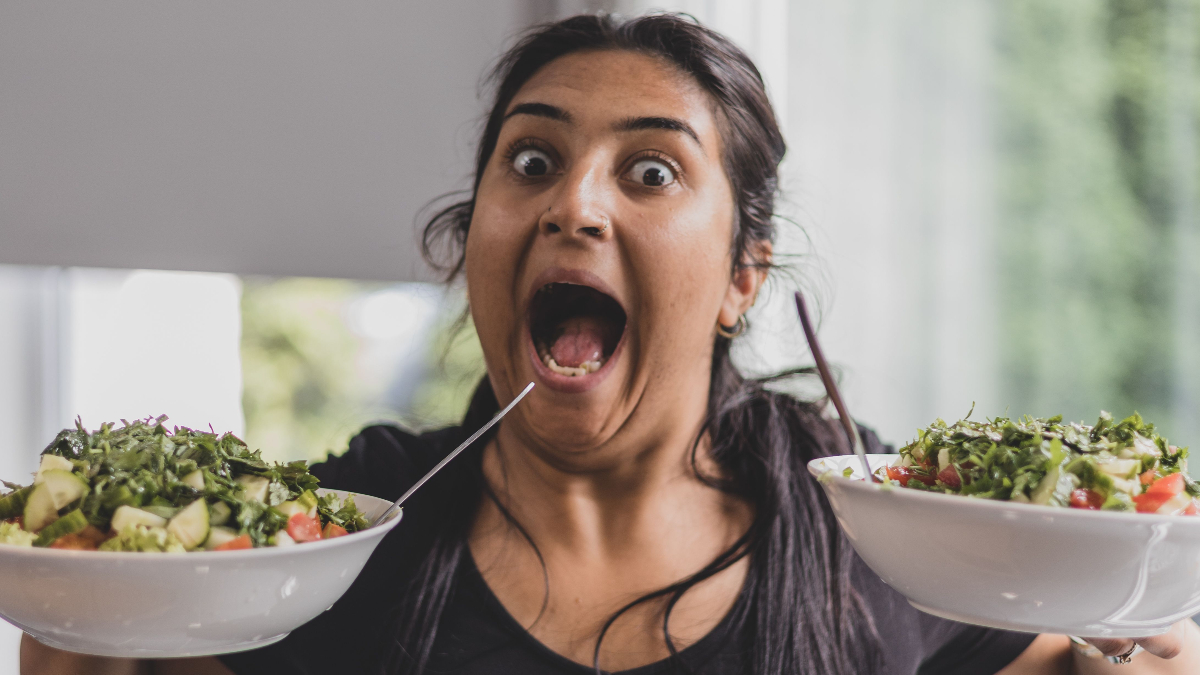
Why Eating the Same “Healthy” Meal Every Day May Not Be Ideal
A healthy routine can still become a narrow one. You do not need a new recipe every day — just enough rotation across vegetables, pulses, fruits and grains to keep the plate varied.
Table of Contents
Eating the same healthy meal every day is not automatically bad for your gut. If the meal is balanced, gives you enough energy and nutrients, and suits you well, repetition can be practical and perfectly reasonable. But a diet that repeats the same small set of plant foods week after week may be missing one useful part of healthy eating: variety.
We’ve all met that person. Breakfast is oats. Lunch is grilled chicken and salad. Dinner is exactly the same as yesterday. They’ve cracked the code to healthy eating… right? Not necessarily. Eating well is a great habit. But eating the same healthy meal every single day is not the only way to do it. Your digestive system, and the microbes that live in it, are exposed to whatever variety your plate actually provides.
Meet Nandini. She is a product manager in Bengaluru who discovered overnight oats about eighteen months ago and never really looked back. Breakfast is oats. Lunch is usually a chickpea-and-cucumber salad. Dinner is dal with rice, and the dal is most often toor. She is genuinely trying to eat well. Her meals are nutritious, filling and easy to prepare. Nothing here needs fixing simply because it repeats.
But when Nandini looks at the whole week rather than any one meal, she notices something else: the menu is extremely narrow. She has found a system that works so efficiently that half the vegetable drawer, most dals, and nearly every seasonal fruit have quietly disappeared from it.
Inside the digestive system lives a complex community of microorganisms known as the gut microbiome. Diet is one of several things that can influence which microbes are present and what they do. Fibre-rich plant foods provide different combinations of fibres, resistant starches, polyphenols and other compounds that reach the gut in different ways.
Human studies increasingly link healthy plant-rich dietary patterns and greater plant-food variety with differences in microbiome composition and, in some studies, microbial diversity. More recent intervention research also suggests that deliberately increasing the range of plant foods can shift the microbiome. What the science does not support is a simple rule that eating the same meal every day automatically ‘narrows’ your microbiome or damages digestion.
That distinction matters. Nandini’s oats, chickpeas and toor dal are not feeding the ‘wrong’ bacteria, and there is no reason to imagine that the rest of her microbiome is starving. The more useful observation is that different plant foods bring different substrates for gut microbes to use. A wider plant-food rotation can therefore broaden what is arriving in the colon, alongside the obvious nutritional benefit of varying vitamins, minerals and phytochemicals.
Every few months a new ingredient becomes the hero of healthy eating. Chia seeds. Quinoa. Kale. The reality is much less exciting: a varied everyday diet usually matters more than repeatedly leaning on one supposedly perfect ingredient.
Indian kitchens already offer extraordinary variety across vegetables, seasonal fruits, different dals, millets and whole grains. The raw material is already there. The question is whether convenience has reduced the week to the same three vegetables and the same one dal.
Whole grains are one useful part of that picture, but they are only one part. Aashirvaad Namma Chakki 100% Khapli Atta is a whole-grain atta and can sit alongside regular whole-wheat atta as one familiar grain option. Its fibre content is broadly comparable with ordinary whole-wheat atta rather than dramatically higher, so the reason to use it here is variety and preference, not a claim that one whole-wheat flour transforms the microbiome by itself. Consistency on the atta does not mean monotony on the sabzi.
Sometimes we become so focused on one healthy habit that we forget the bigger picture. Ask yourself honestly: Does my lunch look almost identical every single day? Am I eating the same vegetable most of the week? Do I rarely rotate pulses? Has fruit become the same apple or banana by default?
None of these is a crisis. Repetition can save money, reduce food waste and make busy weeks manageable. But if your entire plant-food intake comes from a very small handful of ingredients, it may be worth widening the rotation when it is practical to do so.
When Nandini checked her previous week, she realised chickpeas and toor dal were doing almost all the legume work. Cucumber appeared almost every day. Leafy vegetables had not appeared at all, and her fruit bowl had become decorative. Her diet was consistent. It was also leaving a lot of perfectly ordinary foods out.
Variety does not mean cooking an entirely new recipe every day. Small changes in meals you already make can widen the range of plant foods across the week without increasing the amount of cooking very much.
Monday’s sabzi is bhindi. Tuesday’s is lauki. Wednesday’s is beans and carrots. Rajma instead of chana one day. Guava instead of an apple. A bajra or jowar roti on a day when it fits, instead of treating wheat as the only possible grain. None of these is a dramatic intervention. They are simply ways of preventing a convenient routine from turning into the same short ingredient list every week.
Oats, pulses, onions, garlic, whole grains, vegetables, fruit and cooked-and-cooled starchy foods can all provide different fermentable carbohydrates, fibres or plant compounds for gut microbes to work on. But avoid turning that into a one-food-one-bacterium chart. The microbiome is an ecosystem, and foods contain mixtures of compounds rather than single prebiotic ingredients with one predictable microbial destination.
The seasonal Indian way of eating can make variety relatively easy when circumstances allow it: rotate what is fresh, use a different dal when one packet finishes, let the sabziwala decide part of the week’s menu, and treat fruit as seasonal rather than permanently fixed.
Nandini does not need to abandon overnight oats or chickpea salad. Her experiment is much smaller: change one or two ingredients at a time and watch how the week looks as a whole. The goal is not to prove that variety will cure a vague digestive feeling. It is simply to make a good diet broader rather than needlessly narrow.
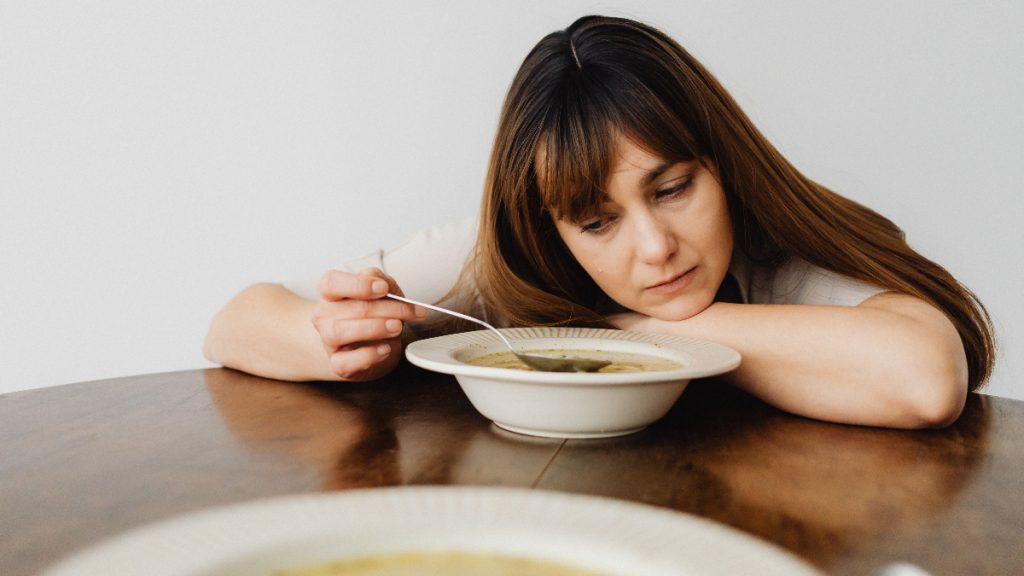
Instead of counting calories or trying to hit a fashionable target for the number of plants you eat, spend a few days noting how much rotation there really is.
• Green leafy vegetables: did any appear this week?
• Other vegetables: were they different from yesterday’s?
• Fruit: did you rotate between more than one kind?
• Dal or legumes: which ones did you use?
• Whole grains: was there more than one across the week?
• Nuts and seeds: did any make an appearance?
Also ask: Did my meals include different colours? Is there one ingredient I could swap tomorrow without changing the recipe itself?
There is no clinically established requirement to eat a particular number of different plant foods every week. The popular ’30 plants’ idea comes from observational microbiome research and has since been explored in intervention studies, but it is not a universal medical target. Use variety as a direction, not another scorecard.
Try this prompt: “Here’s what I’ve eaten over the last five days. Can you help me spot where I’m repeating the same vegetables, fruits, pulses or grains, and suggest simple swaps that would add variety without changing my whole routine?”
Healthy eating is not about finding one perfect meal and repeating it forever. It is about building a pattern that is nutritionally adequate and, where practical, includes a range of vegetables, fruits, pulses, whole grains, nuts and seeds over time. If your healthy lunch has become a permanent fixture, there is no need to panic or throw it out. Just ask one useful question: what small part of this plate could I rotate tomorrow?
If you have persistent digestive symptoms, do not assume a lack of dietary variety is the cause. Severe or ongoing pain, blood in the stool, unexplained weight loss, persistent vomiting or difficulty swallowing should be assessed by a healthcare professional.
This article is for general informational and educational purposes only and is not a substitute for personalised medical or dietetic advice. Gut microbiome research is evolving, and microbiome diversity is not a stand-alone measure of digestive health. People with diagnosed gastrointestinal conditions, food intolerances, allergies or prescribed therapeutic diets may need individual guidance before making major dietary changes.
• Happy Tummy. “Whole Wheat, Khapli, Maida: The Fibre Numbers, Honestly Compared.” (2026).
Not necessarily. A repeated meal can still be nutritious, balanced and convenient. The concern is broader dietary variety: if the same meal means you rarely eat other vegetables, fruits, pulses, grains, nuts or seeds, rotating some ingredients may improve the overall range of nutrients and plant compounds in your diet.
Research links plant-rich dietary patterns and dietary diversity with differences in microbiome composition, and intervention studies suggest that increasing plant variety can alter the microbiome. But there is no guarantee that simply adding more different plants will increase microbial diversity in every person or improve a particular digestive symptom.
There is no fixed clinical target for the number of different plant foods you must eat each week. A practical approach is to rotate vegetables, pulses, fruits and grains rather than repeating the same few foods indefinitely, while keeping the overall diet adequate and enjoyable.
Yes. Keep the meal and change one component: a different dal, another seasonal vegetable, a new fruit, or a different whole grain occasionally. Variety works perfectly well inside a routine.
No. Many ordinary foods — vegetables, fruits, pulses, whole grains, nuts and seeds — provide fibres and plant compounds that gut microbes can use. A varied everyday diet can supply these without requiring specialist powders or supplements.