As appetite and dietary habits change with age, fibre can quietly fall by the wayside. Small, practical changes can help older adults get enough fibre without discomfort or disrupting familiar food routines.
Expert reviewed by Qurath Ain, Certified Nutritionist and Clinical Dietitian
This isn’t a recipe list. It’s the handful of things worth understanding before you start swapping bread or eyeing the supplement aisle — because the swaps only work if you understand why they’re needed, and what tends to get in the way.
Older persons are particularly vulnerable to malnutrition. Moreover, attempts to provide them with adequate nutrition encounter many practical problems; their nutritional requirements are not well defined. Since both lean body mass and basal metabolic rate decline with age, an older person’s energy requirement per kilogram of body weight is also reduced.
If you live with or look after your elderly parents, you’ve probably noticed it: the bowl of cereal that goes half-finished, the fruit that sits on the table a day too long. Getting older changes a person’s relationship with food in ways that are easy to overlook until they start to matter. One of the quieter casualties is often fibre — the thing that keeps digestion moving, supports steady blood sugar, and generally keeps the gut in reasonably good humour.
Fibre needs don’t shrink the way appetite does. That’s the first thing worth sitting with. As people age, calorie needs typically go down — smaller meals, less hunger, sometimes real disinterest in food altogether. But the gut’s need for fibre doesn’t fall at the same rate, which means a smaller appetite combined with an unchanged or even increased fibre requirement is a genuine mismatch, not a coincidence. For older adults specifically, increasing consumption of fruit and vegetables by one to two servings daily could prevent blood pressure, constipation and cardiovascular health issues. A gradual increase toward roughly 20 to 30 grams of soluble fibre a day, introduced slowly and alongside enough fluid, is a reasonable working target — though individual needs vary, and this is worth discussing with a GP or dietitian rather than treated as a fixed number to hit.
It Isn’t Really About the Fibre
The most common mistake — understandable, well-intentioned, and almost always counterproductive — is arriving with a bag of supplements and a lecture. Nobody wants to be managed, least of all someone who has been cooking and feeding a family for fifty years. The resistance you might run into isn’t usually about fibre itself. It’s about autonomy, about not wanting their kitchen rearranged by someone who used to ask permission to open the fridge.
The better instinct is to work with what they already love rather than introducing something new. If they have porridge most mornings, it’s already doing good work — a handful of berries or a spoonful of ground flaxseed stirred in quietly adds fibre without disturbing the ritual of the bowl. If soup is part of their routine, a tin of beans or lentils can disappear almost entirely into a blended vegetable soup. No new flavour to negotiate, no new texture to explain. Just slightly more of what the body needs, folded into something that was already happening.
Texture Matters More Than the Nutrition Label
Dental changes, dry mouth from medication, and a natural slowdown in digestion can make certain high-fibre foods genuinely uncomfortable to eat, not just unfamiliar. Whole raw vegetables, tough-skinned legumes, dense seeded breads — these aren’t always the right answer, however nutritionally sound they look on paper. This is where it helps to think in terms of soft fibre rather than simply more fibre.
Soft and easily chewable foods like ripe pears, stewed prunes, well-cooked sweet potato, tinned chickpeas mashed into something spreadable — all genuinely kind to an ageing digestive system and an ageing set of teeth. Overnight oats softened in warm milk. A slice of dense, moist bread rather than anything dry and crumbly that needs real chewing effort. The goal isn’t fibre at any cost. It’s fibre that arrives gently rather than fibre that picks a fight with a mouth or a gut that’s already working harder than it used to.
The Social Side of Eating Is Doing More Work Than You’d Think
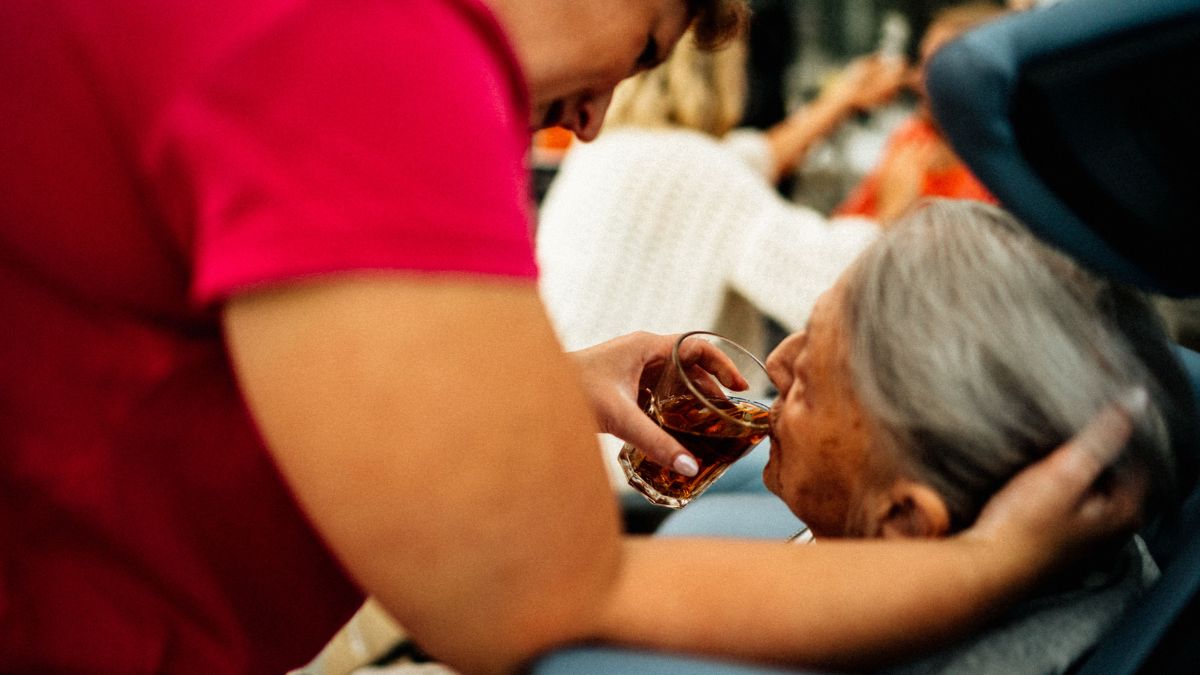
Appetite in older adults is rarely just about food. Loneliness, low mood, and a shrinking sense of occasion around mealtimes can quietly reduce how much someone actually eats, independent of what’s even on the plate. Sitting with your parents while they eat, cooking together when that’s possible, or simply making a meal feel like a small event rather than a chore — these tend to make a more measurable difference to actual intake than any single ingredient swap.
A weekend morning spent making something together, however modest, is worth more than a week of fibre supplements left untouched on the counter. In a real sense, eating well at this stage of life is often a side effect of good company rather than a goal pursued directly. If you’re trying to improve someone’s fibre intake and ignoring the loneliness of their mealtimes, you’re probably solving the wrong problem first.
Small, Unannounced Changes Beat Big Declared Ones
White bread to a denser wholegrain loaf. White rice toward brown, or a fifty-fifty blend if the texture shift feels unfamiliar. Biscuits swapped for something with a bit more substance — oatcakes, a slice with nut butter. None of these needs to be announced as a health initiative. None of them needs a conversation about fibre at all. If raw vegetables are difficult to chew, then consume vegetables in steamed, stewed, baked and grilled form.
What matters more than any individual swap is consistency held loosely over time. A modest, steady improvement across most days of the week will outperform an ambitious Monday that quietly doesn’t survive past Wednesday. Keep something easy and fibre-rich within reach — a small dish of dried fruit, a bowl of nuts, hummus alongside lunch — and let one change settle in before introducing the next. The pace that feels almost too slow to matter is usually the pace that actually works.
What to Watch For
A rapid increase in fibre, even with good intentions, can cause real discomfort in an older digestive system — bloating, cramping, a sense of fullness that wasn’t there before. This is the body’s predictable response to too much, too fast, rather than a sign that fibre itself doesn’t agree with someone. Fibre needs water to do its job; increasing one without the other tends to make things worse rather than better, which is part of why the gradual, fluid-paired approach matters more for older adults than it might for someone younger and more digestively resilient.
. A normal healthy person needs to drink about 8 glasses (approximately 2 litres) of water, including beverages, per day. During very hot weather and while undertaking vigorous physical activity, this requirement increases as a considerable amount of water is lost through sweat.
It’s also worth knowing that constipation becomes more common with age, and the reasons are often as much about reduced movement and certain common medications — blood pressure drugs, antidepressants, calcium and iron supplements among them — as about diet alone. If dietary changes aren’t making the expected difference, that’s worth raising with a doctor rather than assuming more fibre is automatically the answer.
When to Loop In a Doctor
Persistent constipation, ongoing bloating or discomfort, blood in the stool, or unexplained weight loss are not things to manage solely through dietary tweaks, however gentle. These deserve a proper conversation with a GP, and that conversation tends to go better when it happens early rather than after months of quiet worry.
Helping someone eat better at this stage of life is less a nutritional strategy than an act of ongoing care, shown in small, unhurried ways — one quiet meal, one folded-in spoonful, one shared Saturday morning at a time.
FAQs
Can too much fibre cause problems for elderly people?
Yes. Increasing fibre too quickly can cause bloating and discomfort in an older digestive system more readily than in a younger one. Introduce changes gradually and ensure plenty of fluid intake alongside, since fibre needs water to move through the digestive system comfortably.
Are fibre supplements a good option for older adults?
They can help when dietary changes alone aren’t enough, but whole-food sources are generally better tolerated and come with additional nutrients that a supplement won’t provide. Over-the-counter drugs and some traditional home remedies may not be suitable for everyone. It’s worth checking with a GP before starting any supplement regularly, particularly alongside existing medications.
What are the softest high-fibre foods for someone with chewing difficulties?
Cooked lentils, mashed sweet potato, ripe banana, smooth porridge, and stewed fruit are all genuinely high in fibre while being easy on the jaw and gentle on the gut. These are usually a better starting point than raw vegetables or anything with a tough skin or dense, crumbly texture.
How much fibre do older adults actually need?
There’s no single fixed number that applies to everyone, but a gradual increase toward roughly 20 to 30 grams of soluble fibre a day, introduced slowly and with adequate fluid, is a reasonable general target for most older adults. Individual needs vary with health conditions and medications, so it’s worth checking with a GP or dietitian for anything more specific. According to ICMR, the RDA for dietary fibre is 30g/day for men and 25g/day for women.
The Bottom Line
Helping an elderly parent get more fibre isn’t really about nutrition strategy — it’s about working with what they already love, paying attention to texture, taking the social side of eating seriously, and being patient enough to let small changes become normal before adding the next one. The technical part (more fibre, more water, introduced gradually) is the easy bit. The harder, more important part is doing it in a way that respects someone who has spent a lifetime feeding themselves and doesn’t need to be managed now.
Disclaimer: This article is intended for general educational purposes and is not a substitute for personalised medical or dietary advice.