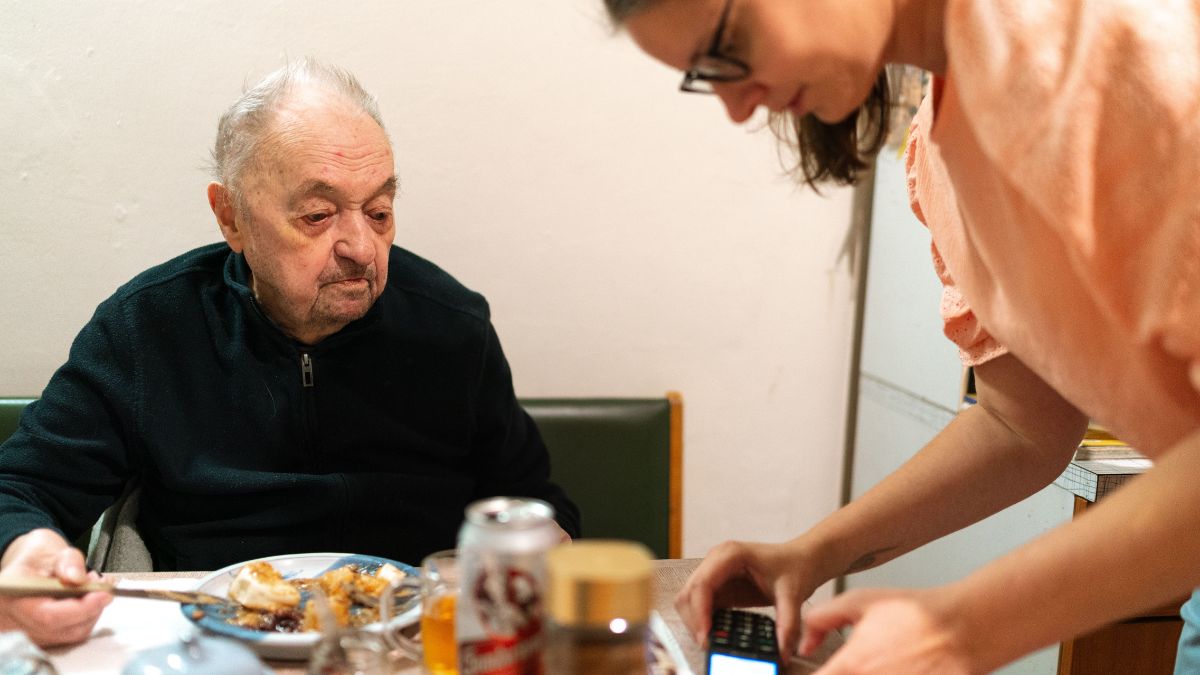
Elderly Digestion in Changing Weather: What Ageing Guts Need as Seasons Shift
Weather doesn’t slow digestion on its own. Learn what shapes elderly digestion as seasons change: fluids, appetite, fibre, activity, and medicines.
Table of Contents
Expert reviewed by Qurath Ain, Certified Nutritionist and Clinical Dietitian
Older adults often notice digestive changes as the seasons shift, but the weather itself is rarely the whole story. Changing weather doesn’t directly ‘slow’ or ‘speed up’ digestion in every older person. What changes is the environment around it: thirst, appetite, activity, food habits, and medicines. Constipation is common in older adults, but it isn’t an inevitable part of normal ageing, and an older gut doesn’t necessarily need a restrictive seasonal diet.
Thirst isn’t always a dependable signal in older adults, and fluid intake can quietly drop when the weather turns more comfortable. Harder stools or a less regular bowel routine can follow, although hydration is rarely the only cause. The ICMR-NIN Dietary Guidelines for Indians 2024 recommend sufficient water for older adults, but there is no need to drink excessively.
As appetite returns in autumn, festive food is fine, provided overall meals stay nourishing. Older adults need fewer calories but more micronutrient-rich foods: cereals, pulses, vegetables, fruits, milk or milk products, nuts, and protein sources such as fish, eggs, or meat, with well-cooked, soft preparations where appropriate.
Increase fibre gradually, because a sudden jump can cause bloating or discomfort. The recommended intake is 25–30 g of fibre a day. Return to gentle, familiar physical activity as conditions allow.
Medicines such as opioids and drugs with anticholinergic effects can contribute to constipation. Never stop a medicine independently, but discuss any new bowel change with the prescribing doctor, especially if constipation persists despite changes in food, fluids, and activity.
For many elderly Indians, the first sign of changing seasons is not the calendar. It is either their creaking joints or their stomach. A summer afternoon, for example, can bring a weaker appetite and fewer glasses of water than usual. The monsoon may change what feels safe to eat, while autumn and winter can bring back the appetite for parathas, fried snacks, and richer gravies. But in between, a sudden change from humid heat to cooler weather can disturb an eating routine that had otherwise been working rather well.
The body of an ageing adult undergoes multiple physiological changes such as impaired digestion and protein utilisation, altered body composition, insulin resistance, inflammation, and decreased bone density. Metabolism slows down after the age of 60.
It is tempting to call all of this ‘slow digestion just because of age’. That explanation is much too simple. Ageing can coincide with changes in thirst, mobility, appetite, medication use, and gastrointestinal function. These changes interact with the weather as well as with everyday food habits. For example, take constipation: it is common in older adults but cannot be considered an inevitable consequence of normal ageing. Research has found that reduced activity, inadequate fluid or fibre, medicines, and underlying illnesses can all contribute to it. And that is why an older gut does not necessarily need a restrictive seasonal diet. It simply needs a routine that can deal with the weather without breaking up with food altogether.
It would be misleading to say that changing weather directly ‘slows’ or ‘speeds up’ digestion in every older person. What changes more noticeably is the environment surrounding digestion.
An older adult can have a diminished thirst response, take several medicines, move less because of rain or heat, have a smaller appetite, or already live with constipation. These factors often overlap.
Recent literature describes constipation in older adults as multifactorial, with dehydration, physical inactivity, polypharmacy, neurological conditions, and age-related changes in gastrointestinal function all potentially contributing to its occurrence. So when a 70-year-old suddenly becomes constipated in September, instead of wondering whether the weather is to blame, ponder what else changed with it.
During the hottest part of the monsoon, people remember to keep water nearby because they feel thirsty and sweaty. But as the weather becomes more comfortable, that reminder often disappears. For older adults, thirst is not always a dependable signal. Ageing can blunt thirst responses, especially when the body is challenged by fluid loss or heat. Recent research also cautions against treating hydration advice for older adults as a simple one-size-fits-all prescription.
That becomes relevant during the monsoon-to-autumn shift because fluid intake can recede without anyone deliberately deciding to drink less. The digestive consequence may appear as harder stools or a bowel routine that becomes less regular. Constipation in older adults is rarely caused by hydration alone, but inadequate fluid intake can be one of several contributing factors.
The Indian Council of Medical Research-National Institute of Nutrition (ICMR-NIN) Dietary Guidelines for Indians 2024 specifically recommend sufficient water intake for older adults and note its importance in avoiding dehydration and constipation. The same guidance recommends a diet supplying protein, fibre, vegetables, fruits, and other nutrient-dense foods. Therefore, for an older person, the seasonal shift into autumn is not a reason to start drinking excessively. It is simply a reason to notice whether the previous fluid routine has quietly vanished or remained steady.
One of the more interesting changes during the transition into autumn is what happens to the general appetite. After weeks of sticky afternoons and heavy humidity, a slightly cooler morning can make food appealing again. Tea-time snacks become more tempting, festive cooking begins in many kitchens, and the approach of Navratri and Durga Puja changes the food landscape altogether. Sweets, fried snacks, elaborate meals, and celebratory dishes start appearing more frequently in every household. There is nothing inherently wrong with this.
The issue for an older digestive system is what happens when celebratory food starts replacing ordinary meals on a regular basis. An elderly person needs fewer calories but more micronutrient-rich foods.
ICMR-NIN recommends that older adults receive adequate protein, fibre, micronutrients, and other essential nutrients, with cereals and pulses being part of their daily diet alongside vegetables, fruits, milk or milk products, nuts, and appropriate protein sources such as fish, eggs, or meat. It also recommends well-cooked, soft food preparations where appropriate.
An Indian festive meal can easily fit within that framework. A simple homely lunch of rice, dal, seasonal vegetables, and fish does not need to be transformed into a ‘senior-friendly meal’. Nor should an occasional luchi or mishti be treated as a digestive offence. What matters is whether their overall meal pattern remains nourishing when celebration foods enter the week more often.
This is also the point in the year when constipation advice can become unnecessarily simplistic.
Someone notices harder stools and is immediately told to eat more fibre. Fibre does matter. But an older adult who suddenly goes from a low-fibre diet to large quantities of bran, vegetables, salads, fruits, and legumes might experience bloating or discomfort, instead of a ‘gut detox’. Fibre intake has to fit the individual’s tolerance, fluid intake, bowel habits, and medical situation. Therefore, the ideal September adjustment plan should be gradual, not dramatic. The recommended intake is 25–30 g of fibre per day, and about 400–500 g of vegetables (including leafy vegetables) and fruits.
The monsoon-to-autumn weather shift can also bring movement back into their day. An older person who has avoided outdoor walks because of waterlogged roads, slippery pavements, or heavy rain can gradually resume activity as conditions improve. That matters because bowel regularity is influenced by physical activity, and reduced mobility is a recognised contributor to constipation in older adults. This does not mean prescribing a generic exercise routine.
For one person, it might mean returning to a familiar morning walk. For another, it could mean moving around the house more regularly or continuing their physician-approved exercises indoors. Yoga is also helpful in maintaining a healthy digestive system. As per research, practising yoga daily with pranayama, anuloma-viloma, and asanas is effective in improving bowel habits. If their bowel habits start to change at the same time, the connection may be more meaningful than the weather itself.
There is another reason not to blame every September digestive complaint on changing weather: medicines. Older adults are more likely to take multiple medicines, and some drugs can contribute to constipation. For instance, opioids and medicines with anticholinergic effects are among the recognised contributors. Imagine an older person who has been constipated for three weeks and happens to mention that it began after the monsoon.
Antibiotics prescribed for flu during the monsoon season can also disturb gut health and reduce good gut bacteria.
The season will simply be coincidental, but their concern is genuine. If a medicine has been recently started or its dose changed, that information is much more useful than assuming that humidity has ‘slowed the gut’. A medication should never be stopped independently, but a new bowel change should be discussed with the prescribing doctor. This is important, especially when constipation persists despite changes in food, fluid, and activity.
For an older adult, the bowel routine can be a surprisingly useful marker of what has changed.
If stools become harder, wonder what happened to fluids. If bowel movements become less frequent, look at overall activity. If bloating increases, consider whether fibre has been increased too quickly. And if constipation appeared after a new prescription, review the medicines with a clinician.
Constipation is not just an unavoidable part of growing older; multiple factors play a role in its arrival. That makes the monsoon-to-autumn transition a useful time to reset your routine, not through a cleanse but through observation. Autumn does not require a ‘gut reset’. It only calls for a closer look at the routine the monsoon may have disturbed.
This article is for general educational purposes only and does not replace medical advice. Never stop a medicine on your own; discuss any new or persistent bowel change with the prescribing doctor or another qualified healthcare professional.
Not directly. What changes is the environment around digestion: thirst, appetite, activity, food habits, and medicines.
No. It’s common in older adults but not inevitable. Reduced activity, low fluid or fibre, medicines, and underlying illnesses can all contribute.
About 25–30 g a day, increased gradually to avoid bloating or discomfort.
Yes. Opioids and medicines with anticholinergic effects are recognised contributors. Don’t stop any medicine on your own; discuss bowel changes with the prescribing doctor.
Not excessively. Thirst is not always dependable, so notice whether your fluid routine has quietly faded or stayed steady.