Leftover Food Safety: When 'Basi' Is Not 'Bekaar'
Yesterday's roti can become phodnichi poli and leftover dal a paratha - but only if storage comes before creativity. Here is how to cool, refrigerate, reheat and reuse Indian food safely.
Table of Contents
Leftover food safety starts with prompt cooling and refrigeration: within two hours for most cooked dishes and within one hour for rice. Eat refrigerated rice within 24 hours and most other cooked leftovers within two days. Reheat only once, until steaming hot throughout. Indian favourites such as phodnichi poli, phodnicha bhaat, dal paratha and vaghareli khichdi make yesterday’s food useful again – but storage comes before creativity. If a leftover has sat out too long, or you are unsure how it was stored, discard it.
The United Nations observes the International Day of Awareness of Food Loss and Waste on 29 September. Its 2026 theme, ‘Transformative Potential of Reducing Food Loss and Waste’, sounds large; the most immediate place to act is the fridge. The UN Environment Programme’s Food Waste Index Report 2024 estimates that 19% of food available to consumers is wasted across households, food service and retail, with households responsible for around 60% of that total.
MORE LIKE THIS | Root-to-Stem Cooking: 10 Vegetable Parts Indian Kitchens Never Wasted
For India, the report estimates household food waste at about 55 kg per person a year, based on 2022 data. That figure includes inedible parts such as bones and some peels, so not every kilogram could have become dinner. Still, the extra rotis, the last katori of dal and the rice nobody finished are familiar opportunities to waste less.
The Indian kitchen already has one of the richest repertoires for giving cooked food a second life. The modern addition is a short set of storage and reheating rules.
These ideas are for leftovers that were refrigerated promptly and are still within the safe storage window. A clever recipe cannot rescue food that has been left out too long.
Panta bhat in Bengal, pakhala in Odisha and pazhaya soru in Tamil Nadu belong to a distinct tradition of fermented or soaked rice. They should not be improvised by simply leaving ordinary cooked rice on the counter overnight; follow a trusted traditional method and appropriate food-safety guidance.
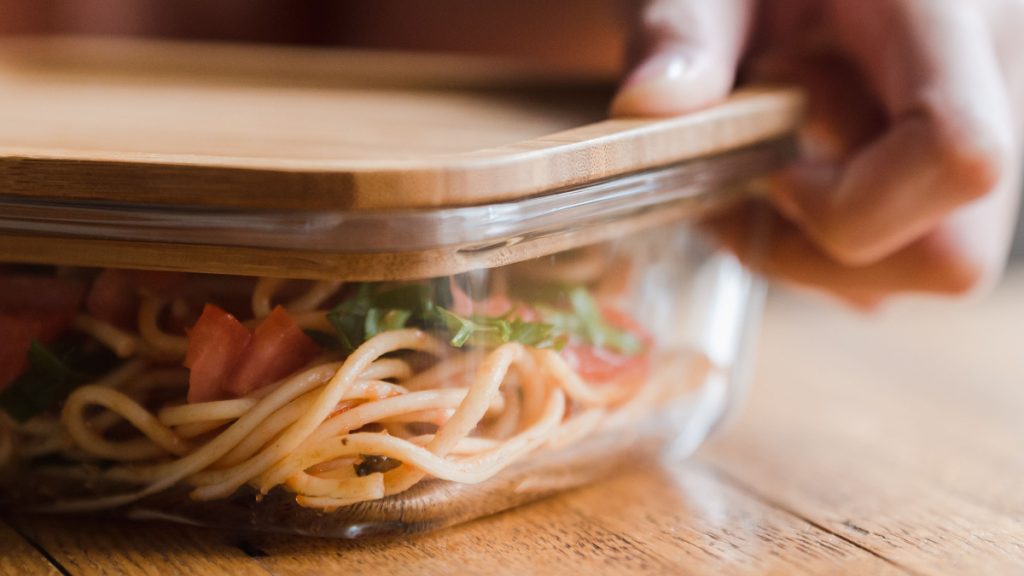
Cool most cooked food and put it in the fridge within two hours. Rice needs more care: chill it as quickly as possible, ideally within one hour. Divide a large batch into shallow containers rather than leaving it in the cooker or a deep pan.
Cooked rice can contain spores of Bacillus cereus that survive cooking. If rice sits at room temperature, the bacteria can multiply and produce toxins; reheating may not destroy those toxins. Time and temperature matter more than whether the rice looks normal.
Eat refrigerated rice within 24 hours. Eat most other cooked leftovers within two days, unless the original packaging or a trusted recipe gives a shorter window. Label containers with the date if your fridge tends to become a mystery archive.
Reheat leftovers only once and make sure the food is steaming hot all the way through, not merely warm on top. Stir food heated in a microwave so there are no cold patches. Turning dal into paratha or rice into phodnicha bhaat counts as the reheat, so eat the new dish fresh rather than saving it again.
Discard food with mould, slime, unexpected sourness or an off smell. But a normal smell is not proof of safety: rice toxins do not announce themselves. If you do not know how long a leftover sat out, the safest answer is to let it go.
For a hot lunch, reheat the food until steaming, preheat a clean insulated food jar with boiling water, empty it, and pack the piping-hot food promptly. Keep the container closed until lunch. For a cold lunch, keep the food refrigerated until packing and use an insulated bag with cold packs. Do not let a perishable tiffin sit lukewarm for hours.
Rice, curd rice and other perishable dishes need this temperature control, particularly in hot weather. Food that returns uneaten in the tiffin is best discarded rather than put back in the fridge.
Cooking rice and then chilling it can increase its resistant starch compared with freshly cooked rice. Resistant starch escapes digestion in the small intestine and can be fermented by gut microbes, rather like some types of fibre.
The increase is modest and varies with the rice and method. It does not turn white rice into a high-fibre food, and it never makes poorly stored rice safe. Cool rice in the fridge within one hour, use it within 24 hours and reheat it no more than once. Food safety is the main reason to chill rice correctly; resistant starch is a small bonus.
The Indian kitchen solved the leftover problem long before anyone called it food waste. Phodnichi poli, curd rice and dal paratha show how yesterday’s food can become a genuinely good meal.
ALSO READ | You’re Eating Fibre. So Why Does Your Gut Still Feel Off?
The rule is simple: storage decides whether a leftover gets a second life. Refrigerate promptly, use rice within 24 hours and most other cooked food within two days, reheat once until steaming, and when the history of a dish is uncertain, discard it. Basi is not bekaar – but only when it has been handled safely.
Not sure what to do with the safe leftovers in your fridge? Try this prompt in Happy Tummy GPT: “I refrigerated [dish] at [time]. Which storage and reheating rules should I check before using it, and what Indian meal can I make if it is still within the safe window?”
Disclaimer: This article provides general food and food-safety information and is not a substitute for personalised medical advice. Extra caution is advisable during pregnancy, for young children, for older adults and for people with reduced immunity, who can be more vulnerable to foodborne illness. Follow guidance from a healthcare professional. If symptoms after eating are severe, persistent or rapidly worsening, seek medical care promptly.
Yes, if it was cooled within one hour, refrigerated, eaten within 24 hours and reheated no more than once. Reheat it until steaming hot throughout. Throw away rice left at room temperature overnight or rice whose storage history is unclear.
Under the conservative guidance used here, most cooked leftovers should be eaten within two days. Cooked rice has a shorter window: eat it within 24 hours. If a label or trusted recipe gives a shorter limit, follow that.
It is best not to. Reheat only the amount you plan to eat, and heat it until steaming hot all the way through. Turning a leftover into a new cooked dish counts as the one reheat.
Eat cooked dal within two days if it was refrigerated within two hours of cooking. Reheat it until steaming hot throughout. If you will not use it in time, freeze it promptly in meal-sized portions.
A properly stored leftover roti remains a useful part of a meal; a whole-wheat roti still provides carbohydrate and fibre. It does not acquire special medicinal powers overnight. Pair it with curd, dal or vegetables, and discard it if it was stored unsafely or shows mould or spoilage.
Yes, cooking and chilling rice can increase its resistant starch compared with freshly cooked rice, although the amount varies and the change is modest. It does not make rice a high-fibre food. Cool it in the fridge within one hour and use it within 24 hours.
Yes, but keep it safely hot or cold. For a hot lunch, reheat until steaming and pack promptly into a preheated insulated food jar. For a cold rice dish, keep it chilled and use cold packs. Discard rice that returns uneaten after hours in the tiffin.