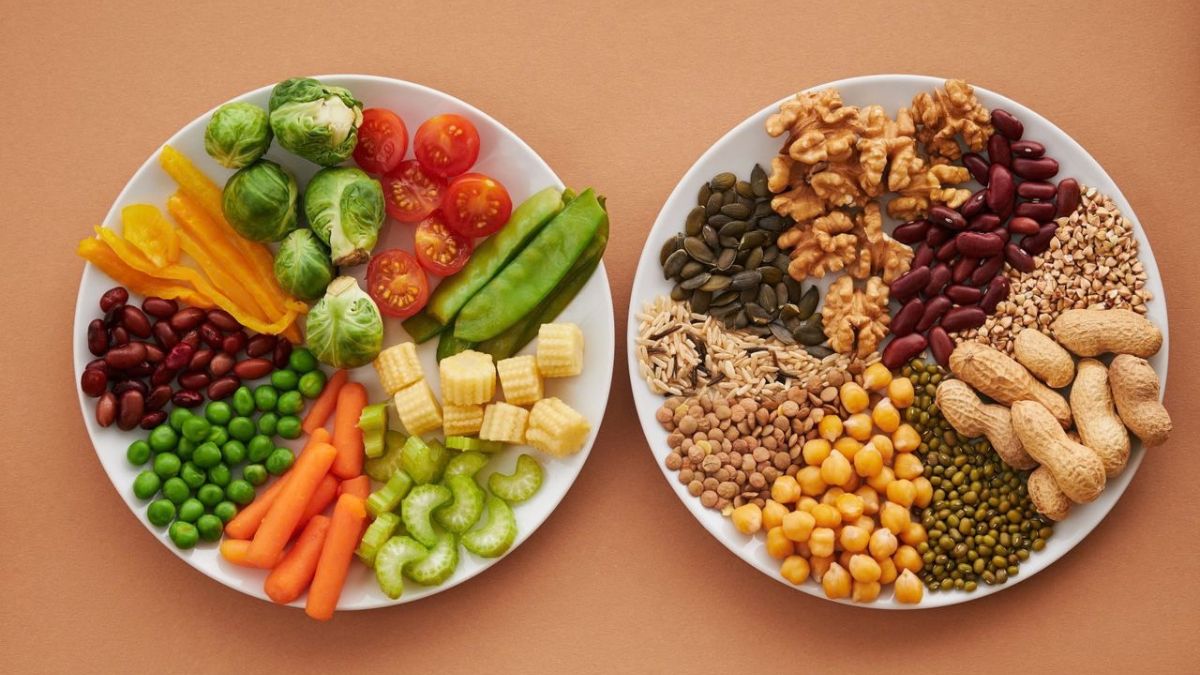
How to Increase Fibre Without the Bloating: Do It Gradually
Increasing fibre too quickly can leave you bloated and gassy. Learn how to add fibre-rich foods gradually, pair them with enough water and track how your gut responds.
Table of Contents
Why does eating more fibre make me so gassy and bloated? Almost always, it’s not because fibre is the problem — it’s because you went too fast. Your gut is fine with more fibre. It just needs a little time to catch up.
Meet Priya. She decided on a Sunday night that she was going to start eating properly. By Monday, her lunch had an extra katori of sabzi, she’d added a bowl of sprouts to her evening snack, swapped her usual atta for something whole-grain, and squeezed in a fruit she’d been meaning to eat for weeks. She felt great about it. By Wednesday, her stomach was making sounds she’d never heard. Bloated all afternoon, gassy by evening, heavy in a way that had nothing to do with how much she’d eaten. By Friday, she’d quietly gone back to her usual roti and chai and decided that “healthy eating” clearly wasn’t for her.
Sound familiar? Priya isn’t unusual. This is how a lot of very sensible fibre increases actually play out.
The thing is, Priya wasn’t wrong to eat more fibre. She was just wrong about the pace.
Here’s what nobody tells you when you decide to eat better: your gut is home to trillions of bacteria that have been fed a certain diet for years. When the food supply suddenly changes — more fibre, more fermentable plant material — they need time to adapt. During that window, they produce more gas than usual. That gas is a sign things are working, not that they aren’t. Your microbiome is adjusting. It’s just noisy about it.
Think of it like starting a new exercise routine. You wouldn’t go from a 20-minute walk to a 10km run in a single week. Your gut works the same way: it loves consistency, tolerates gradual change, and absolutely hates being ambushed. This is the most common reason people quit on fibre before giving it a real chance. The fix isn’t less fibre — it’s slower fibre.
If Priya had added one change at a time — say, just the extra sabzi at lunch for the first week — her gut would have had a chance to adjust before anything else landed. Then, the following week, she could have brought in the whole-grain atta. The week after, the fruit. The sprouts could have waited until her gut was comfortably handling everything else.
Nobody would call that dramatic. It doesn’t make a good Sunday-night resolution story. But by week four, Priya would have all those changes in place, comfortably and quietly, without a single miserable Wednesday.
One fibre habit at a time. Let it become boring before you add the next one.
Fibre works by absorbing water — that’s how it adds bulk, keeps things moving, and does most of what we’re asking it to do. Without enough water alongside it, increased fibre can actually make constipation worse rather than better, and bloating more rather than less noticeable.
So when you add a fibre-rich food, the question isn’t only “did I eat well today?” It’s “did I drink enough water alongside it?” If you’re eating more dal, more vegetables, more whole grains, and you haven’t changed your water intake at all, your gut will notice. Pair the two together, and the transition tends to go a lot more smoothly.
The good news is that the fibre itself doesn’t have to come from anywhere special. Dal, vegetables, fruits, whole grains, millets — an ordinary Indian kitchen already has most of what you need. If you’re looking at your atta specifically, Aashirvaad Namma Chakki 100% Khapli Atta provides around 11.4g of fibre per 100g, roughly on par with other whole wheat attas and well ahead of refined flour. Not a dramatic intervention — just a staple that quietly does its job once it’s part of your regular rotation.
This is what Priya’s week-one could have looked like: one extra katori of vegetables at lunch, plus two extra glasses of water spread through the day. Not five changes at once — one, with its necessary companion. If by day five her stomach is comfortable, she’s ready for week two. If not, she waits and checks whether the water piece actually landed.
The seven-day tracker below exists for exactly this reason. What did I add, how much water did I drink, how did my stomach feel? Three data points. A week of those three data points usually tells you far more than any food rule will.
Your gut is individual in a way no generalised advice can fully account for. Some people can increase fibre in days with no trouble. Others need a few weeks. What doesn’t work is expecting everyone’s stomach to follow the same timeline.
Added anything new to your fibre intake this week? Even one thing? That’s worth logging — it’s the data point that actually tells you whether your gut is happy with the pace or asking for slower.
| Day | Fibre-rich foods added | Water intake | Bloating/gas? |
| Day 1 | |||
| Day 2 | |||
| Day 3 | |||
| Day 4 | |||
| Day 5 | |||
| Day 6 | |||
| Day 7 |
Look for the pattern, not just the data. Bloating appearing on days you added several new things at once? Improving on days you drank more water? Comfortable with the dal but not the sprouts? That’s actually useful information.
“I’ve been trying to increase my fibre intake this week. Here’s what I added, how much water I drank, and how my stomach responded each day. What patterns do you notice between my fibre intake, hydration and bloating symptoms?”
If eating more fibre leaves you feeling bloated and gassy, the answer usually isn’t to stop. It’s to slow down, add one change at a time, and make sure the water intake is keeping pace. Your gut likes the direction. It just needs a gentler on-ramp.
Note: If symptoms continue, are severe, or keep coming back, it’s worth speaking to a doctor. Sudden weight loss, blood in stool, severe or persistent pain, or difficulty swallowing need prompt medical attention.
Disclaimer: This article is for general informational purposes only — not medical or dietary advice.
There’s no universal number, but most people do well adding one new fibre-rich food at a time, waiting a week or so before adding another, and watching how the stomach responds. If things stay comfortable, you’re moving at the right pace.
Vegetables — especially cruciferous ones like cauliflower and cabbage — contain fermentable plant material that gut bacteria feed on. As they ferment it, they produce gas. This often settles as your gut bacteria adapt, and moving more slowly tends to reduce the initial reaction.
For most people eating a varied Indian diet, no. Dal, vegetables, fruits, whole grains and millets give you plenty to work with. Supplements can be useful in specific situations, but starting with food is the simpler, cheaper and usually more sustainable first step.