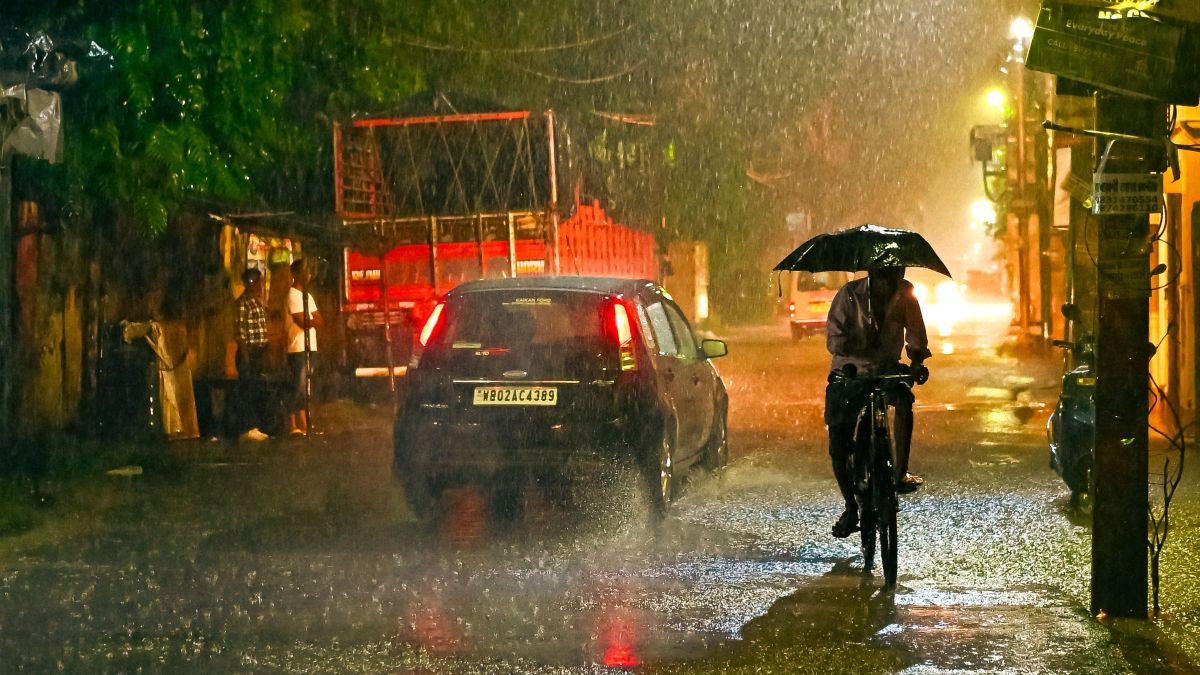
The Monsoon Gut Health Guide: All About Digestion, Hydration and Food Safety
Bloating, sluggishness or an unsettled stomach during the monsoon may have less to do with the weather itself and more to do with changes in hydration, activity, food handling and everyday routines.
Monsoon doesn’t weaken your stomach directly — but it can change several things around digestion at once: your routine, how much water you drink, how food is stored and handled, and how much you move. Together, these shifts often explain monsoon bloating, sluggishness or irregularity better than any single cause. Pay attention to hydration, food safety, balanced meals and everyday movement rather than blaming the weather alone.
Your gut can feel different during the monsoon, and the season may genuinely have something to do with it — though not in the way most advice suggests. Monsoon doesn’t weaken your stomach directly. What it can do is quietly change several things that affect digestion at once: your routine, how much water you drink, how food is stored and handled, and how much you move. Those changes together are often what’s behind the bloating, sluggishness or irregularity many people notice this time of year.
When the monsoon is in full swing, your days can start looking rather different without you consciously changing much. Maybe you’re feeling bloated for no obvious reason. Maybe your usual roadside chaat leaves you making frequent trips to the bathroom. Or perhaps your digestion just feels slower than it did during hotter, drier weeks. Every monsoon, we hear the same advice: don’t eat street food, drink clean water, be careful. It’s good advice, but it doesn’t explain why your gut can feel different throughout the rainy season.
Four things that quietly shift through the monsoon Rather than one cause, monsoon digestion is usually a story of several small shifts landing at once: Routine — more time indoors, fewer walks, more indoor snacking and ordering in. Hydration — thirst may feel less obvious even though your body still needs regular fluids. Food handling — warm conditions, wet weather and lapses in storage or hygiene can make safe food handling especially important. Movement — rained-out walks and disrupted routines can mean less everyday activity.
Your Routine Changes Drastically
Think about how your days look when the monsoon is properly underway. You spend more time indoors, walk a little less, crave hot pakoras and chai instead of salads, and may drink less water because you don’t feel as thirsty. Maybe you order in more often because it’s pouring outside. None of these habits is unusual. But together, they can make your digestive system feel very different from how it did during hotter, drier weather.
You May Also Be Drinking Less Water
When the heat feels less fierce, it’s easy to become less conscious of hydration. But your body still needs fluids, and humid days, activity and sweating can continue to add to fluid losses. Drinking less while continuing to eat plenty of fibre-rich foods may leave some people feeling bloated or constipated, since fibre and water work together in the digestive tract.
Your needs may not be identical every day or every season, but they don’t disappear because it’s raining. ICMR-NIN’s Dietary Guidelines emphasise adequate water intake and note that fluid requirements vary with factors including weather and physical activity.
A Familiar Monsoon: Farah’s Four Small Shifts
Farah didn’t think anything had changed about her diet when her digestion started feeling off a few weeks into the monsoon. She was eating roughly the same things she always did.
What had actually changed, once she compared her usual routine with how her days now looked, was everything around the food. Her evening walk had become a twice-a-week event instead of daily, her water bottle sat half-full most evenings, her leftover dal was sitting on the counter a little longer before it went into the fridge, and her weekend chaat runs had quietly become a more regular habit, given how often rain disrupted her usual gym plans.
No single change was dramatic. Together, they were enough to make the pattern much easier to understand. Fixing her routine didn’t require a new diet — it required noticing four small, unrelated-seeming habits that had all drifted at once.
Hot Weather vs Monsoon: What Can Change for Your Gut
Factor
Hot-weather days
Monsoon days
Thirst and fluid intake
Thirst and sweat losses may be more obvious
Thirst may feel less obvious, though humidity and activity still matter
Food safety risk
High temperatures can speed microbial growth if food is left out
Warm weather, safe storage, water quality and hygiene all deserve attention
Activity levels
Outdoor routines may be easier to plan on dry days
Rain can interrupt walks, commutes and exercise
Typical cravings
Cooling, fluid-rich foods may appeal more
Hot chai, fried snacks and comfort foods may become more tempting
What helps most
Hydration and heat management
Routine, hygiene, hydration and consistency
Food and Water Deserve a Little More Attention
Monsoon isn’t just a change in weather. It’s also a season when food and water deserve a little more attention. Warm temperatures, heavy rainfall and problems with storage or safe water can increase food-safety concerns, particularly when food is held at unsafe temperatures or handled poorly. WHO’s basic food-safety advice remains straightforward: keep things clean, separate raw and cooked food, cook thoroughly, keep food at safe temperatures and use safe water and raw materials.
Simple habits go a long way: wash fruits and vegetables thoroughly, drink safe water, eat freshly cooked food whenever possible, refrigerate leftovers promptly, and reheat stored food thoroughly before eating. It’s less about fear and more about good kitchen habits.
Let’s be honest — rain almost demands a plate of pakoras or pani puri, and there’s no need to swear off your favourite foods forever. This is simply a good season to pay extra attention to where your food comes from. Ask yourself whether the food is freshly prepared, handled hygienically, hasn’t been sitting out for hours, and whether the water used is safe.
Your Comfort Foods May Be Different
Rainy days often come with cravings. Khichdi, hot rotis, dal, soup, steaming cups of chai — these meals can also be an opportunity to build a balanced plate. A comforting monsoon meal doesn’t have to be heavy. Adding vegetables, dal and whole grains helps create meals that are both satisfying and nourishing.
For example, rotis made with Aashirvaad Chakki 100% Khapli Atta can contribute whole-grain fibre as part of the meal. Paired with seasonal vegetables and dal, they can form part of a balanced plate that supports overall digestive health. If a heavier, oilier day does happen — and it will — see What to Eat After a Day of Heavy, Oily or Outside Food for how to bring things back to balance.
Are You Moving Enough?
You planned an evening walk, and then it started pouring, so you stayed home. Repeat that for a couple of weeks, and your activity levels may look very different. Even small reductions in daily movement can leave some people feeling more sluggish or constipated.
If outdoor walks aren’t practical, simple indoor movement, stretching or light yoga can help you stay active. It doesn’t have to be an elaborate workout. Sometimes the useful question is simply whether the rain has quietly removed movement that used to be built into your day.
Don’t Ignore Your Gut’s Signals
Monsoon stomach troubles aren’t always caused by an infection. Sometimes your body is simply responding to changes in routine. Notice whether you’re experiencing bloating, constipation, loose stools, acidity, changes in appetite, or more gas than usual. The symptoms themselves don’t always tell the whole story, but the habits around them often do.
Instead of changing everything at once, spend a week paying attention.
Here’s a Monsoon Gut Tracker
Day
Water intake
Ate outside?
Activity
Digestive symptoms
Day 1
Day 2
Day 3
Day 4
Day 5
Day 6
Day 7
Also check:
Ate freshly cooked meals?
Washed fruits and vegetables?
Drank safe water?
Ate enough fibre-rich foods?
Walked or stayed active?
Felt bloated, constipated or had loose stools?
By the end of the week, you may have a much clearer picture of what your gut likes — and what it doesn’t — during the rainy season.
Ask Happy Tummy GPT
Try this prompt: “Here’s my monsoon gut tracker from the past week, including my meals, water intake, activity levels and digestive symptoms. Can you help me identify patterns that might explain why my digestion feels different during the rainy season?”
Small Monsoon Habits That Can Make a Difference
You don’t need a complete lifestyle overhaul every time the clouds roll in. Instead, focus on a few practical habits:
Drink water regularly, even if you don’t feel especially thirsty.
Choose freshly cooked food whenever possible.
Include vegetables, pulses and whole grains in your meals.
Stay active, even if that means walking indoors on rainy days.
Pay attention to food hygiene, especially when eating outside.
Notice patterns instead of assuming every digestive symptom is caused by the weather.
These aren’t dramatic changes — they’re simply the kinds of habits that help your gut cope with a season that’s constantly changing.
The monsoon doesn’t automatically upset your stomach. What often changes is everything around it — your meals, hydration, activity levels, food choices and kitchen habits all shift during the rainy season. The good news is that most of those factors are within your control. A little more attention to hydration, food safety, balanced meals and everyday routines can go a long way towards helping your gut enjoy the monsoon as much as you do.
How did your tummy handle the weather today? Log it and start building your own monsoon pattern.
FAQs
Why does my digestion feel different during monsoon?
It’s rarely one cause. Changes in hydration, movement, time spent indoors, food choices and food handling can all happen together during the rains, and the combination may help explain bloating, sluggishness or irregular bowel habits.
Does monsoon weaken your stomach?
Not directly. The season changes many of the conditions around digestion — including food handling, hydration, activity and routine — rather than literally making your stomach weaker.
Is it safe to eat street food during monsoon?
Street food isn’t automatically unsafe because it’s monsoon, but food hygiene matters particularly when storage temperatures, water quality or handling are uncertain. Choose freshly prepared hot food from vendors with clean preparation areas and safe-looking water and ingredients.
Why do I feel less thirsty during the monsoon?
For some people, thirst feels less obvious when the weather is less fiercely hot or more time is spent indoors. But humid weather, exercise and everyday activity can still cause fluid loss, so don’t rely only on thirst to remind you to drink.
Do I need the same amount of water in monsoon as I do on very hot days?
Not necessarily. Fluid requirements vary with temperature, sweating, physical activity, health and other individual factors. The useful point is that hydration needs continue through the monsoon even when thirst feels less obvious.
Why am I constipated during the monsoon?
A change in routine can contribute: less movement, lower fluid intake or shifts in fibre intake may all play a part. Persistent constipation has many possible causes, so recurring symptoms shouldn’t simply be blamed on the weather.
Can rainy weather cause diarrhoea?
Rain itself does not directly cause diarrhoea. Gastrointestinal infections can occur when food or water becomes contaminated, which is why safe water, clean food preparation and correct storage remain important during wet weather.
What foods are good for digestion during monsoon?
There is no special monsoon gut diet. Freshly prepared, balanced meals containing vegetables, pulses, whole grains and other foods you tolerate well are a better foundation than trying to identify one seasonal “digestive” ingredient.
How long should I track my monsoon gut habits?
A week can be enough to start spotting patterns in meals, hydration, activity and symptoms. It isn’t a diagnostic test; the aim is simply to notice whether certain habits consistently coincide with how you feel.
Disclaimer: This article provides general food and nutrition information and is not a substitute for personalised medical or dietary advice. Severe diarrhoea, persistent vomiting, blood in the stool, high fever, signs of dehydration or recurring digestive symptoms warrant medical attention.
You are now being directed to an external website https://www.callr.live/aashirvaadexperts/premium-plan.
This link is provided for your information and convenience only and ITC Limited is not
responsible for the contents or services provided by Brand Touch India or any information that
you share with Brand Touch India.