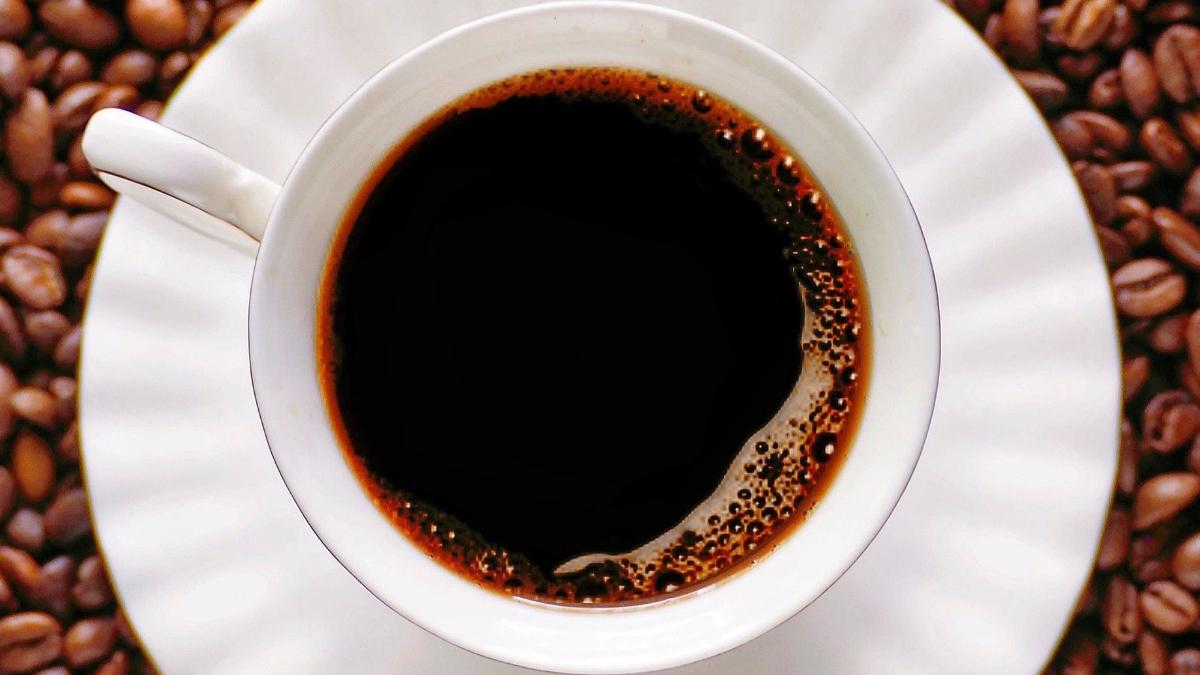
Filter Coffee vs Instant Coffee vs Cold Brew: What Each Does to Your Gut
Milk, sugar, strength, serving size and timing often matter more than the brewing method. Here is how to choose a cup that suits you.
Table of Contents
Filter coffee, instant coffee and cold brew affect the gut in broadly similar ways: all contain compounds that can stimulate the colon, and caffeinated versions add varying amounts of caffeine. The bigger differences usually come from the complete drink. Milk may cause bloating for people who digest lactose poorly; sugar, creamers and syrups change the nutritional picture; and cold-brew concentrate can be unexpectedly strong. Cold brew has lower titratable acidity than comparable hot brew but similar pH, so it is not guaranteed to prevent heartburn. Portion, add-ins, timing and personal response matter most.
Every coffee drinker has a ritual, and every coffee drinker believes theirs is the correct one. There is the house where nobody speaks until the decoction has dripped. The friend who keeps a jar of instant in her desk drawer ‘for emergencies’, which happen at roughly 11 am every day. The colleague who has been steeping cold brew in his fridge and talks about it like a sourdough starter. And the person whose cafe order is longer than their name.
On International Coffee Day, nobody is taking your cup away. The useful question is whether the brewing method changes what coffee does to the gut. Usually, the differences inside the finished cup – its milk, sugar, strength, size and caffeine – matter more than the identity attached to it.
Start with what you want to change, then alter one part of the cup rather than replacing the entire ritual.
You know who you are. The steel filter comes out before the sun does. The decoction drips with the patience of a government file. Then comes the performance: hot milk, a spoon of sugar and the long pour between tumbler and davara until the coffee is frothy enough to pass inspection. Visitors are judged by whether they ask for ‘strong’.
Instant coffee is the hero of hostel rooms, night shifts and ‘I just need something’ afternoons. It asks very little of you: a spoon, hot water or milk, a stir, done. It also gave the country its great lockdown hobby, beating coffee and sugar into submission for whipped coffee. Then there is its office cousin, the 3-in-1 sachet, torn open beside the kettle at 4 pm.

Cold brew people have a particular glow. They talk about steeping time. Their fridge has a mysterious jar in it. Many switched because they heard cold brew was ‘less acidic’ and easier on the stomach. The chemistry is more complicated than the slogan.
The size upgrade, the extra shot, the oat milk, the caramel drizzle, the name misspelt on the cup. Cafe coffee is as much an outing as a drink, and that is half the joy.
These figures are reference points, not predictions. Bean, brand, spoon, brew ratio, dilution and serving size all matter.
| YOUR CUP | CAFFEINE REFERENCE | WHAT MAY MATTER MOST |
| South Indian filter coffee | Varies; no dependable standard figure | Milk, sugar, decoction strength and chicory ratio |
| Instant coffee | About 62 mg per 237 ml reference cup | Heaped spoons and 3-in-1 sugar or creamer |
| Brewed coffee | About 96 mg per 237 ml reference cup | Strength, mug size and number of cups |
| Cold brew | Varies widely; concentrate may be strong | Dilution, added sugar and the low-acid assumption |
| Espresso and cafe drinks | About 63 mg per 30 ml shot | Extra shots, milk, syrup and cup size |
| Decaf | About 1-2 mg per 237 ml reference cup | May still stimulate the colon in some people |
Caffeine reference values: Mayo Clinic. Actual cups can differ considerably.
Coffee can increase colonic activity in a subset of people, sometimes within minutes. In one study of 99 healthy volunteers, 29% said coffee prompted an urge to pass stool; another small physiological study found that both regular and decaffeinated coffee increased motility in responders. The effect varies, and decaf’s response shows that caffeine is not the whole explanation. Read the full Happy Tummy guide to black coffee and the gut for the mechanism and practical test.
A large 2024 analysis found a strong association between coffee consumption and the abundance of a gut bacterium called Lawsonibacter asaccharolyticus across multiple cohorts. That makes coffee biologically interesting, but it does not prove that drinking coffee improves digestion or creates a healthier microbiome. Do not begin or increase a coffee habit for this finding alone.
A 2026 meta-analysis of 40 observational studies found a small association between coffee intake and reflux, but results varied substantially between studies and the authors said the clinical importance was unclear. Blanket avoidance is therefore not supported for everyone. If a particular cup repeatedly brings burning or a sour taste, test serving size, strength, caffeine and timing one at a time. Read why tea and coffee sometimes trigger acidity for a symptom log and deeper guidance.
Coffee can reduce absorption of non-haem iron from a meal, the form found in foods such as dal, rajma and leafy greens. In a classic human study, coffee taken with the meal reduced absorption; coffee one hour before did not, while coffee one hour after still had an inhibitory effect. That single study does not establish one perfect gap for everyone. If you have been advised to pay attention to iron, avoid making coffee part of the iron-rich meal itself and ask your clinician about timing.
For most adults, up to 400 mg of caffeine a day may be safe, according to Mayo Clinic. That is an upper reference, not a target, and it is roughly four 237 ml reference cups of brewed coffee – not necessarily four large cafe mugs or strong filter tumblers. Individual sensitivity varies. People who are pregnant, trying to become pregnant or breastfeeding should discuss caffeine limits with a healthcare professional. A late cup can also disturb sleep; read why a bad night’s sleep can upset your stomach the next day.
Moderate coffee still contributes fluid. In a short crossover study of 50 habitual male coffee drinkers, four 200 ml servings of coffee produced no significant difference from water across several hydration markers. The result applies most directly to regular coffee drinkers under the study conditions; it is not a promise that very high caffeine intake behaves the same way.
If coffee sometimes bothers you, a small comparison is more useful than changing everything at once.
Ask Happy Tummy GPT: ‘I usually drink [coffee type] at [time] with [milk and sugar]. I notice [symptom]. Help me plan a three-day, one-change coffee test.’
For a broader look at food and lifestyle habits, take the Digestive Quotient Test.
Filter, instant, cold brew or cafe coffee can all stimulate the gut, and none earns a universal ‘gut-friendly’ label. What often changes the experience is the milk, sugar, strength, serving size, total caffeine and timing. So keep the ritual that suits you. Just keep an eye on the sachet, the syrup, the undiluted concentrate and the third ‘strong’ tumbler of the day. Happy International Coffee Day.
This article is for general information only and is not medical or dietary advice. Children, people who are pregnant or breastfeeding, older adults, and anyone taking medicines or managing a health condition should seek individual guidance before changing caffeine intake. If digestive symptoms continue, are severe or keep returning, speak to a qualified healthcare professional. Sudden weight loss, blood in the stool, severe or persistent pain, or difficulty swallowing need prompt medical attention.
It depends on what you mean by acidic. A 2018 study found similar pH values for comparable hot and cold brews, while hot brew had higher titratable acidity. Cold brew may taste or feel gentler to some people, but it is not guaranteed to prevent heartburn.
Raw chicory root is rich in inulin, but roasting degrades much of it and the amount delivered by a coffee-chicory blend is not standardised. Enjoy chicory for the flavour and body it adds, but do not count the drink as a meaningful fibre source.
Plain instant coffee is brewed coffee that has been concentrated and dried; it is not automatically worse for the gut. The complete product matters. A 3-in-1 sachet may also contain sugar and creamer, while a plain instant coffee does not.
There is no reliable single figure for South Indian filter coffee because the powder, chicory ratio, decoction and cup size vary. A 237 ml reference cup of instant contains about 62 mg, but a heaped spoon changes that. Compare labels where available and count the full day's servings.
Coffee can stimulate contractions in the colon in people who respond to it, sometimes within minutes. Decaf can do this too, so caffeine is not the only factor. An occasional predictable response without discomfort can be ordinary; repeated urgency, pain, blood or persistent loose stools deserves medical advice.
Yes. Small studies have found that decaf can increase colonic activity in some people. Switching to decaf may reduce the effect if caffeine contributes, but it will not remove the response for everyone.
Think in milligrams of caffeine rather than cups. Up to 400 mg a day may be safe for most adults, but cup sizes and caffeine content vary and some people feel effects at much lower amounts. Pregnancy, breastfeeding, medicines and individual health needs require personalised advice.
There is no universal rule that coffee must follow food. If an empty-stomach cup repeatedly brings burning, nausea or discomfort, compare the same serving with or after breakfast. Treat the result as information about your own pattern, not a rule for everybody.
Moderate coffee contributes fluid and did not differ from water across several hydration measures in one short study of habitual male coffee drinkers. Very high caffeine intake or a person who rarely consumes caffeine may respond differently.