Your body already has sophisticated systems for processing and eliminating waste. Learn what your liver, gut, kidneys and other organs do naturally, and why most detox products aren’t necessary.
Expert reviewed by Qurath Ain, Certified Nutritionist and Clinical Dietitian
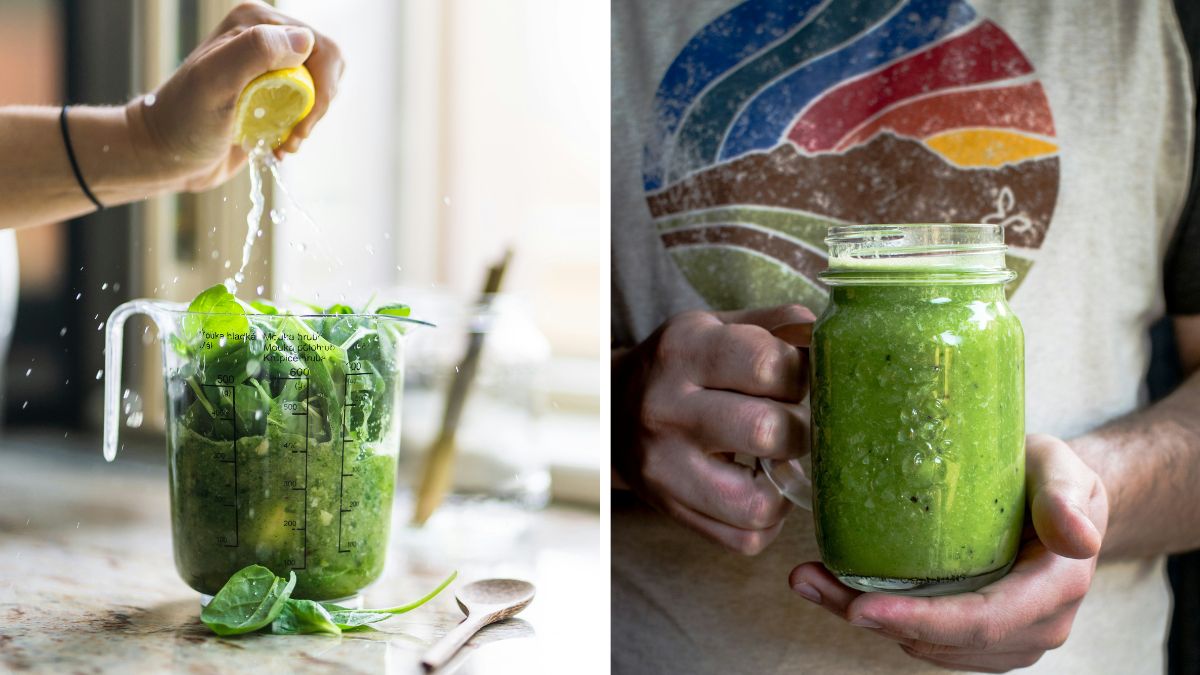
We live in a world where every health issue has a product marketed so perfectly and so emphatically that not buying it can feel like we’re letting our health down. Think refreshing gut detox juices or liver detox kits from wellness brands, complete with sleek packaging and bold, confident claims.
The detox industry, valued at billions worldwide, has built an economy around a captivating idea: that our bodies accumulate toxins over time and need to be regularly cleansed using the right products.
There’s only one little hiccup. Your body has been on its own detox journey, working hard and remarkably well since the very day you entered the world. Let’s take a closer look at how it really works in this blog.
Fact Check: What Does “Detox” Even Mean?
If you ask a medico, “detox” refers to the process of removing harmful substances, such as drugs, alcohol, metabolic byproducts or poisons, from the body, typically in a hospital setting. However, the typical “body detox” you see online tells a different story. It often claims to eliminate unspecified “toxins” without clearly identifying what they are.
Here’s the scoop: your body is already an amazing detox champion!
Meet Your Built-In Detox Squad
The human body operates like a 24-hour, multi-organ detoxification system. It’s super efficient, always on point, and truly impressively designed!
Let’s revisit something you might have learnt in science class at school:
Liver
The liver plays a crucial role in filtering everything that enters the bloodstream from the digestive system. This is one of the organs that deserves the title of “detox headquarters”. And the liver does it all without needing any supplements to help it out.
It transforms harmful compounds, breaks them down into water-soluble forms, and prepares them for elimination. This includes alcohol, medication metabolites, environmental chemicals, and the natural by-products produced during the body’s normal metabolic processes.
What it really needs is to avoid being chronically overloaded. That means enjoying alcohol in moderation, using medication wisely, and following a diet that supports it rather than weighing it down.
Here are some tips to maintain and support good liver function:
- Avoid excess consumption of high-fat foods and sodium; limit the consumption of deep-fried foods.
- Try switching from saturated fats and trans fats to MUFA (monounsaturated fatty acids) & PUFA (polyunsaturated fatty acids) as they are essential fatty acids and are good for your health.
- Carbonated and alcoholic beverages should be limited or preferably avoided.
- Include high biological value protein in your diet as it helps in repair of tissues and regeneration of liver. Some of the sources include pulses, lentils, milk, paneer, soybean, eggs, lean meat, nuts and seeds, etc.
- Engage in at least 30-45 minutes of physical activity of moderate intensity, such as walking, for at least five days a week.
Gut
The gut plays an important role in the body’s detox architecture, but not in the manner that most detox products claim.
The gut lining is like a smart barrier, deciding what gets absorbed into the bloodstream and what is directed for elimination. A healthy gut lining that is well nourished, intact, and supported by a diverse microbiome does an excellent job of this. It lets nutrients in while helping to keep potentially harmful compounds out.
At the same time, the trillions of microorganisms in the intestines aid in digestion and provide support for several metabolic and waste removal activities, among many others.
Gut microbiota includes a diverse community of bacteria in the human gut; they carry out various functions that influence our overall health. The functions include nutrient metabolism, natural defence against infections and regulation of the immune system.
Here are some tips to maintain and support healthy gut function:
- Eat a well-balanced diet including a minimum of 5 servings of vegetables and 1 serving of fruit in a day, as they are good sources of fibre and essential nutrients such as vitamin A, vitamin B, iron, zinc, etc.
- Include prebiotics such as banana, soybean, garlic, etc., and good sources of probiotics like yoghurt, buttermilk, etc., to maintain a healthy gut.
- Try to include whole grains like wheat, millets and multigrain in your diet as they are a good source of fibre and other nutrients.
- Try to limit foods like caffeine, alcohol, spices, etc.
- Drink at least 8 glasses of water per day
Kidneys
The kidneys work hard to filter about 200 litres of blood every day, helping to remove waste products and excess substances through urine. They’re always on the go, working diligently and with remarkable precision to decide what the body keeps and what it discards.
Here are a few tips to consider:
- Drink a lot of fluids. Increasing your fluid intake will give bacteria less opportunity to bind to host cells before being washed away when you urinate, thus lowering your chance of developing an infection.
- Cranberries and blueberries contain substances that inhibit the binding of bacteria to bladder tissue. Drinking unsweetened cranberry juice regularly potentially helps lower the risk of UTIs
- Eat antioxidant-rich foods, including fruits (berries, tomatoes, etc), and vegetables a minimum of 5 servings/day.
- Probiotic foods containing ‘good bacteria’ are beneficial in managing
- Foods high in Vitamin C, such as oranges, limes, kiwi, and tomatoes, make your urine more acidic, and acidic urine inhibits the growth of bacteria in the urinary tract
- Avoid bladder irritants such as caffeine, alcohol, spicy food, carbonated drinks, tobacco and artificial sweeteners.
- Drink 8-12 glasses of filtered water daily.
Lungs, Skin, and Lymphatic System
The lungs release carbon dioxide and various volatile compounds with each breath we take. The skin lets go of certain compounds through sweat. The lymphatic system is responsible for gathering and managing cellular waste throughout the body. Every system is a pretty advanced self-cleaning system!
What Are Detox Products Actually Doing?
Most commercial detox products, including teas, juices, supplements, and cleanses, fall into a few broad categories. Here’s what they’re actually doing:
Laxative-based products: These help get things moving through your digestive system, often using ingredients such as senna or bisacodyl to stimulate bowel movements. This isn’t detoxification; it’s simply speeding up the removal of waste that your body was already going to eliminate.
Herbal “detox” supplements: Often marketed as liver cleanses, these products commonly
contain ingredients such as milk thistle, dandelion, or turmeric. While some of these herbs have been studied for their potential to support liver health, the evidence is mixed, and there’s no good evidence that they detoxify the liver or remove toxins from a healthy body.
Probiotic or gut-health products: These contain live microorganisms that may support the gut microbiome, and certain probiotic strains have been shown to benefit specific digestive conditions. However, they don’t “cleanse” the gut or flush out toxins. Their role is to support gut health, even if the marketing sometimes suggests otherwise.
How to Back Up Your Body’s Natural Detox Team
Forget about the quick fixes and concentrate on what truly works to keep your built-in cleansing systems running smoothly:
Whole Foods: Eat plenty of fresh veggies, healthy grains, lentils, and pulses. Dietary fibre supports good bacteria and maintains regular bowel movements.
Hydration: The kidneys need adequate hydration to filter properly. The gut requires fluids to keep things moving smoothly and to support a healthy gut lining. Dehydration is a sneaky culprit that can disrupt the body’s natural detox systems. Starting your day with a glass of water and staying hydrated (6 to 8 cups of water) throughout the day is far more beneficial than any detox drink out there.
Sleep: The brain has a special waste-clearance system known as the glymphatic system, which works its magic mainly while we’re in deep sleep. The gut microbiome follows a natural circadian rhythm for its reset. The liver does some important repair and metabolic processing while we sleep at night. Sleep isn’t just a time for rest; it’s when your body gets busy with some of its most essential maintenance work. Consistently getting poor sleep can really take a toll on all the detox systems your body relies on.
Physical activity: Exercise improves blood flow to the kidneys and liver, which helps these vital organs more effectively filter waste. It is recommended to do a minimum of 30-60 minutes of moderate-intensity aerobic physical activity or 15 minutes of vigorous-intensity aerobic physical activity per day for at least five days in a week. Muscle-strengthening exercises should also be included.
When Gut Health Does Need Attention
Remember that the gut can still benefit from some extra support from time to time.
A gut that feels bloated, irregular, reactive, or inflamed needs attention. Eat more fibre and fermented foods, stay hydrated, get moving, manage stress, and make sure you get enough sleep. These habits support the real processes behind gut health instead of the marketing idea of detoxification.
If you’re experiencing digestive symptoms that just won’t go away or are quite severe, it’s definitely time to check with a doctor.
The Bottom Line on Detoxing
The notion that our bodies require outside assistance to eliminate built-up toxins is fundamentally a response to an issue that a healthy body typically doesn’t face. Your kidneys have been hard at work filtering your blood as you read this! Isn’t that fascinating? Your gut lining plays a crucial role in deciding which nutrients to absorb and what to let go of. Your microbiome is busy creating compounds that help with all of the above.
The body’s detox system doesn’t require a January reset. It requires the same essentials as every other month: water, fibre, sleep, movement, and a diet that nurtures rather than consistently hinders it. That, truly, is sufficient.
DISCLAIMER: This is general information, not medical advice. If you’re dealing with persistent digestive symptoms, it’s worth speaking to a doctor rather than self-diagnosing from an article.