


Table of Contents
You drink coffee, chai, juice, the occasional water when you remember. Your gut is watching all of this very carefully. And it has opinions.
Water is the least glamorous wellness topic in existence. It does not have a launch event. Nobody is doing a detox where the active ingredient is plain water. It does not come in interesting flavours or promise to transform your skin in 30 days. And yet, if you asked your digestive system to name its single most important non-food input, it would almost certainly say: water. Boring, plain, unsexy water.
Most people in India are mildly dehydrated for most of the day, and the effects on digestion are more immediate and more concrete than most people realise. The gut is a wet, fluid-dependent system. Every stage of digestion, from the saliva that starts the process in your mouth to the movement of waste through the large intestine, depends on adequate fluid. When that fluid is not there, things slow down. And “slowing down” in digestive terms produces symptoms that are easy to mistake for something more complicated: bloating, sluggishness, constipation, a general sense of digestive unease that feels like it should have a more interesting explanation.
It often does not. Sometimes the gut is just thirsty.
What happens when the gut does not have enough water
The large intestine is responsible for, among other things, absorbing water from the food residue passing through it. This is a normal, useful function — it is how the body recovers fluid and concentrates waste. But when you are not drinking enough, the large intestine gets overzealous. It absorbs more water than it should, because it is trying to compensate for the deficit elsewhere. The result is waste that is harder, more difficult to move, and slower to pass.
This is a simple mechanical explanation for one of the most common digestive complaints people experience, and one of the simplest to address. More water — spread through the day, not consumed all at once — changes the large intestine’s absorption behaviour and makes the whole process easier.
Fibre and water, incidentally, work together in a way that makes both more effective. Dietary fibre — from whole grains, vegetables, legumes — absorbs water in the gut and forms a gel-like consistency that makes movement easier. Without enough water, fibre can actually have the opposite effect: it bulks up without softening, and things get worse rather than better. This is part of why increasing fibre intake without increasing water intake can, counterintuitively, cause constipation in some people. The fibre was right. The water was missing.
What counts as hydration (and what does not, quite)
Tea and coffee are a complicated case. They contain water, obviously. But caffeine is a mild diuretic, which means they produce some fluid loss alongside the fluid they contribute. For most people who drink moderate amounts, this washes out and the net hydration from a cup of chai or coffee is positive. But six cups of chai and minimal plain water is a different calculation, and the gut tends to register it.
Juice, nimbu paani, chaas, coconut water — all of these count and are genuinely useful. Chaas in particular is worth noting: it provides hydration, probiotics from the curd, and a digestive ease that is not purely placebo. The jeera and hing versions have a long traditional history of being served after meals for a reason.
The practical baseline most hydration guidelines converge on is eight to ten glasses of water per day, across the day rather than consumed in chunks. Not a hard rule, because body size, activity level, and weather all change the requirement. But if you are regularly at three or four glasses and wondering why your digestion feels unreliable, the water is a strong first hypothesis.
The gut is a fluid-dependent system. When the fluid is not there, everything works harder than it needs to.
Timing matters too
When you drink water makes a small but real difference. Drinking water with meals — in moderate amounts — is fine and does not meaningfully dilute digestive juices the way some wellness myths suggest. But drinking a large amount of water immediately before or during a meal can make you feel fuller faster and potentially slow digestion slightly for some people. The more useful habit is drinking consistently through the day so that you arrive at meals already adequately hydrated, rather than trying to catch up during them.
First thing in the morning is a particularly good time for a glass of water: the body has gone eight-ish hours without fluid, and the gut benefits from rehydration before the day’s eating begins. This is a small habit with a disproportionate effect on how the day’s digestion tends to go.
What this has to do with your daily meal
Here is where the pieces connect. A meal that includes fibre-rich food — whole grains, dal, vegetables — is a meal that needs water to work properly. Aashirvaad Chakki Khapli Atta, which is stone-ground from Emmer wheat and retains the bran and germ of the grain, has a Water Absorption Percentage of 73% — which means the dough itself absorbs and holds more moisture than refined flour does. That property that makes Khapli rotis stay soft longer in the tiffin box is the same property that makes the grain interact well with fluid in the gut.
A Khapli roti, a bowl of dal, a sabzi with some water-rich vegetables like lauki or cucumber — and enough water through the day to support the fibre doing its job. This is not a complicated prescription. It is just the conditions under which the digestive system functions well.
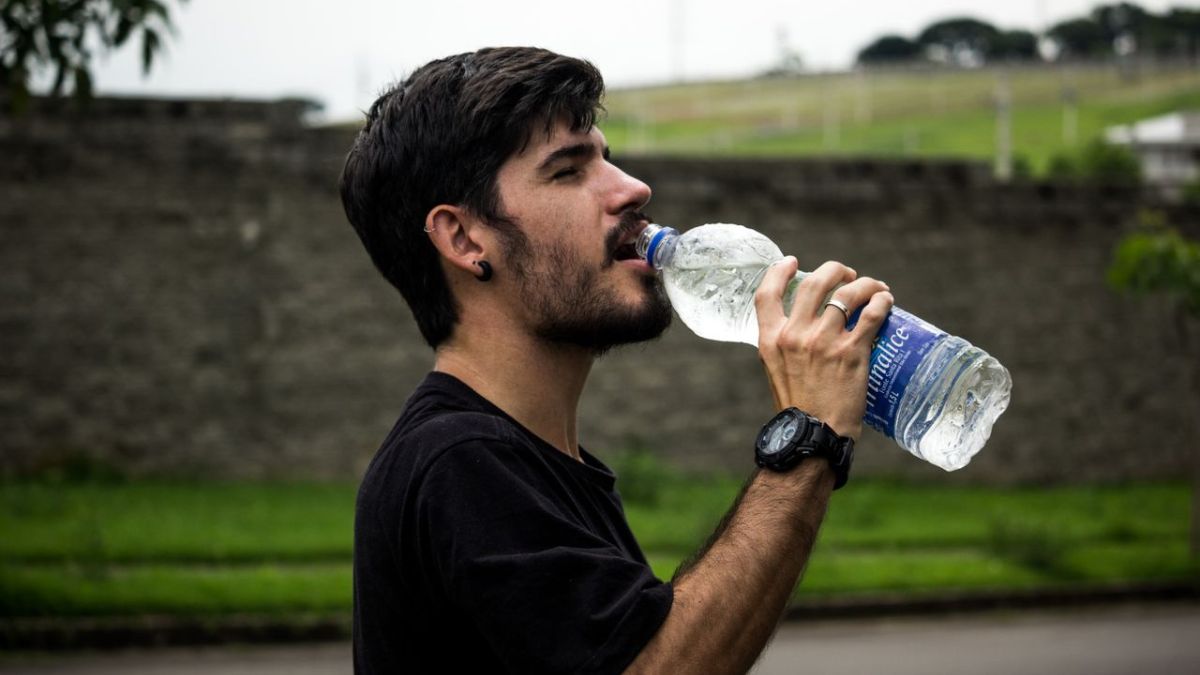
Your gut does not care about the label on the water bottle. It just wants there to be enough of it.
This article is part of the Your Gut Doesn’t Read Labels series on Happy Tummy. It is for general informational purposes and does not constitute medical or dietary advice.