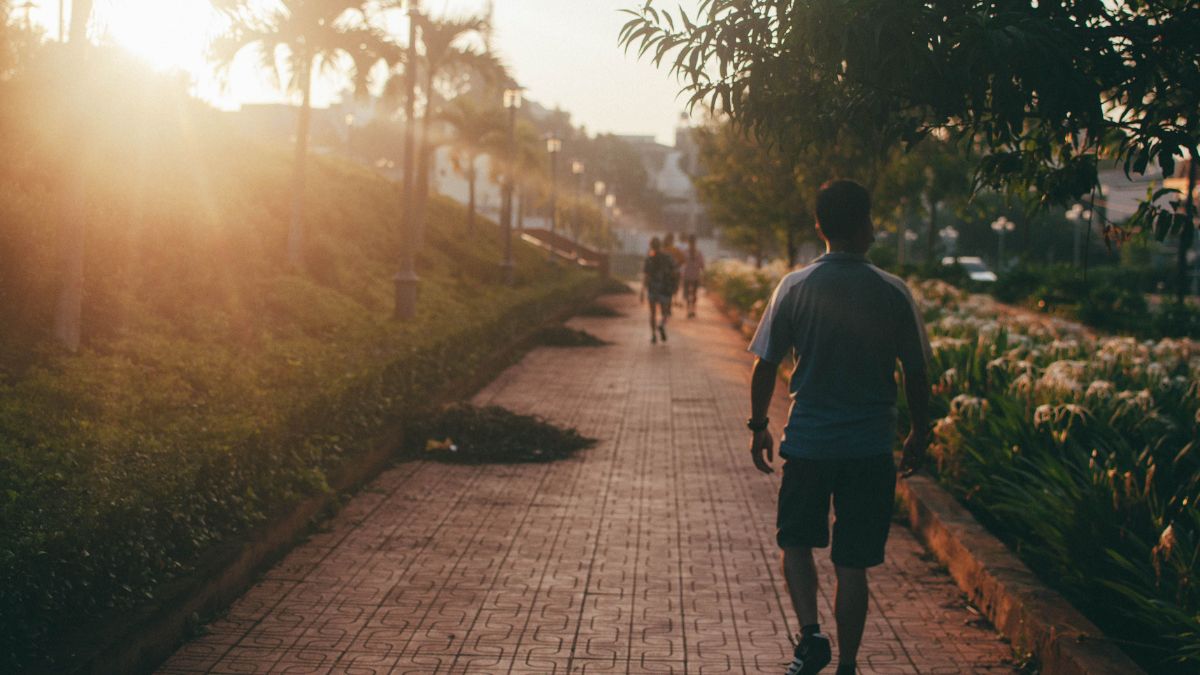
Does Walking After Meals Help Digestion? What a Short Walk Really Does
A short post-meal walk may ease heaviness, bloating and reflux. Learn how gentle movement supports digestion and how to try a simple 7-day walking habit.
Table of Contents
| TL;DR Yes, a short walk after eating can help digestion, mainly by speeding up gastric emptying and easing heaviness, bloating and reflux. It’s gentle movement, not exercise — 10 to 15 minutes within half an hour of eating is enough. It won’t fix a poor diet on its own, but it’s a free, easy habit worth testing for a week. |
Yes, a short walk after a meal can genuinely help digestion for many people, mainly by speeding up gastric emptying — the rate at which food moves out of your stomach. It’s not a cure for digestive problems and won’t undo a genuinely poor diet, but as one small habit alongside everything else, it can meaningfully ease the heaviness, bloating or sluggishness that follows a meal, especially a large one.
Picture this. You’ve just finished lunch. One person heads straight back to the laptop. Another sinks into the sofa to scroll through social media. A third says, “I’m just going to take a quick walk,” and disappears for ten minutes. Who’s doing it right? The answer is a little more interesting than you might think.
A lot of people recommend walking after meals — it’s advice that’s been passed around for generations. Go for a little walk after lunch. Don’t lie down immediately after dinner. There’s a good reason those suggestions have stuck around. Gentle movement after eating may help food move through the digestive system more comfortably. Many people also say they feel less heavy or sluggish after taking a short stroll than after sitting or lying down straight away. The key word here is gentle — this isn’t the time for a sprint or an intense gym session.
| What actually happens in your gut when you walk after eating? Walking uses the same core and leg muscles that sit close to your stomach and intestines, and that gentle physical movement helps stimulate peristalsis — the wave-like muscle contractions that move food along your digestive tract. According to Cleveland Clinic gastroenterologist Dr Jessica Philpott, walking after a meal can speed up gastric emptying, meaning food spends less time sitting in the stomach, which can ease symptoms like excessive fullness, reflux and abdominal discomfort. She suggests walking within about 15 to 30 minutes of eating works best, particularly after heavier meals, when digestion naturally slows down.You don’t need to walk far for this to matter. Even standing up and moving around the house, rather than staying seated, can measurably affect how quickly your stomach empties.Sources: Cleveland Clinic Newsroom, on gastric emptying and post-meal walking. |
One of the biggest misconceptions is that you need to “burn off” your meal. You don’t. A leisurely walk around your neighbourhood, office corridor or even your apartment building is very different from a high-intensity workout. You don’t need to exercise harder — just simply avoid becoming completely inactive immediately after eating.
Have you ever noticed why sitting still can feel different? You eat a large lunch, sit at your desk for the next three hours, and by mid-afternoon, you feel heavy, sleepy and a little bloated. Now think about a day when lunch is followed by a quick walk — either to refill your water bottle, take a lap around the office or walk to the nearby shop. Despite the food being similar, your body may have felt quite different. That’s why it’s worth paying attention to what happens after the meal, not just during it.
| A familiar comparison: Rohan’s two Wednesdays Rohan works from home and, most days, moves from the dining table straight back to his desk after lunch. On one particular Wednesday, deep in a project, he ate lunch at his laptop and stayed seated for the rest of the afternoon. By 4 pm he felt heavy, a little bloated, and found himself reaching for a second coffee just to stay alert. The following Wednesday, with a similar lunch, a client call forced him to step out for fifteen minutes right after eating, walking to a nearby stationery shop and back. That afternoon felt noticeably different — no heaviness, no afternoon slump, no second coffee.Rohan had assumed his afternoon energy crash was just how Wednesdays felt. Comparing the two days made the actual variable obvious: it wasn’t the meal, it was what happened in the twenty minutes after it. |
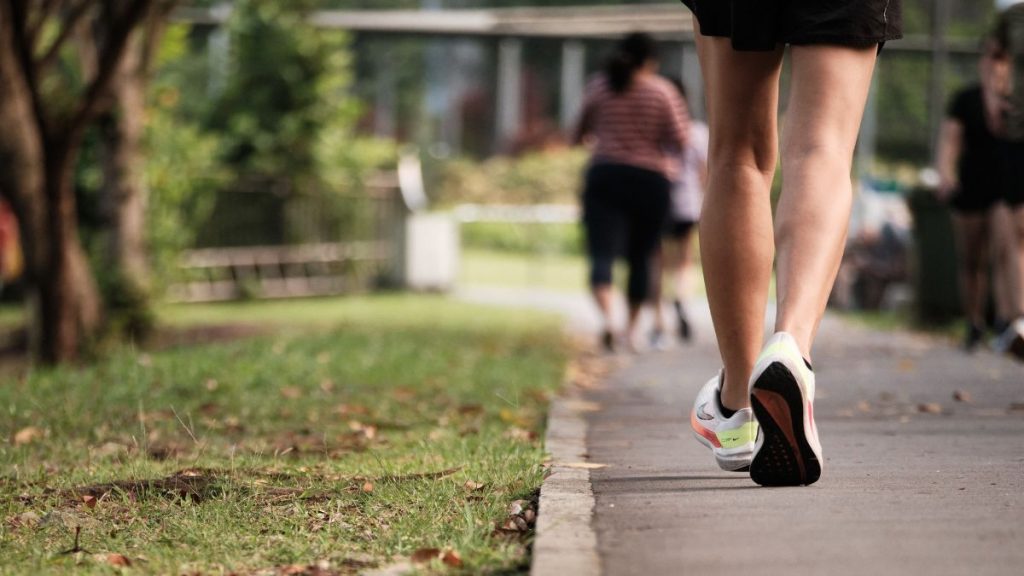
| What you do | A short walk | Staying seated |
| Gastric emptying | Speeds up — food moves out of the stomach sooner | Slower — food sits longer |
| Common afternoon feeling | Lighter, more alert | Heavy, sleepy, sometimes bloated |
| Effort required | A gentle 10–15 minute stroll | None, but often the less comfortable option later |
| Best suited to | Lunches and heavier meals | Not particularly suited to any meal |
Let’s be clear about one thing: a five-minute walk doesn’t cancel out a week of poor eating habits, and it won’t solve every digestive complaint. Digestion is influenced by many things, including what you eat, how quickly you eat, fibre intake, hydration, sleep, stress and daily movement. Walking after meals is simply one piece of that larger picture.
Many of us finish dinner and immediately settle onto the sofa, or worse, head straight to bed. If you experience reflux or feel particularly heavy after dinner, you might find it helpful to stay upright for a while rather than lying down immediately, since lying down soon after eating gives stomach acid an easier path back up towards the oesophagus. For some people, a short, easy walk becomes part of that routine. Again, it’s not about perfection — it’s about noticing what helps your body feel more comfortable.
| Building it into an ordinary Indian evening This doesn’t need to look like a formal exercise slot. A short walk to the colony gate and back after dinner, a stroll to the corner shop for milk for tomorrow’s chai, an evening visit to a nearby temple, or simply a few unhurried laps of the terrace or living room all count. The point is being upright and gently moving, not the specific activity. Unlike many health habits, this one doesn’t require buying anything. No equipment, no subscription, no complicated meal plan — just a pair of comfortable shoes, or even a few laps around your home if the weather isn’t cooperating. |
For one week, take a gentle walk after one main meal each day. It doesn’t need to be long — just keep it consistent.
| Day | Meal | Walk (Y/N) | Duration | How did I feel? |
| Day 1 | ||||
| Day 2 | ||||
| Day 3 | ||||
| Day 4 | ||||
| Day 5 | ||||
| Day 6 | ||||
| Day 7 |
Also note:
By the end of the week, you may notice patterns that you wouldn’t have spotted otherwise.
Try this prompt: “Here’s my seven-day post-meal walk tracker. I’ve noted when I walked, how long I walked for, and whether I experienced bloating, heaviness, acidity or sleepiness afterwards. Can you help me identify any patterns?”
Or: “Compare the days I walked after meals with the days I didn’t. Do you notice any differences in how my digestion felt?”
A short walk after a meal isn’t a miracle solution. But it may help some people feel more comfortable after eating, especially when it’s part of a broader routine that includes balanced meals, enough fibre, good hydration and regular movement.
If you’re curious, don’t overthink it. Take a short walk after a meal for a week and see what your own gut has to say — because when it comes to digestion, your everyday patterns often tell a much more useful story than a single meal ever could.
Read next: Your Gut Likes a Routine More Than a Hard Workout (pillar) · What Counts as ‘Regular’? Understanding Healthy Bowel Movements (sibling)
Managed a short walk after a meal today? Log it and start building your own pattern.
DISCLAIMER: If digestive symptoms continue, are severe, or keep coming back despite healthy lifestyle habits, it’s worth speaking to a doctor. Sudden weight loss, blood in your stool, severe or persistent pain, or difficulty swallowing should always be evaluated promptly.
Yes, for many people. Walking speeds up gastric emptying and stimulates peristalsis, which can ease heaviness, bloating and reflux, though it won't fix an unhealthy diet on its own.
Research suggests walking within about 15 to 30 minutes of eating works best, especially after a heavier meal, when digestion naturally slows down.
Even 10 to 15 minutes of gentle movement can help. There's no need for a long or intense walk — consistency matters more than duration.
Both can help, but many people notice the biggest difference after dinner, since staying upright rather than lying down can ease heaviness and reflux.
It can. Movement helps move gas and stool through the digestive tract, which is part of why a short walk often eases bloating compared with sitting still.