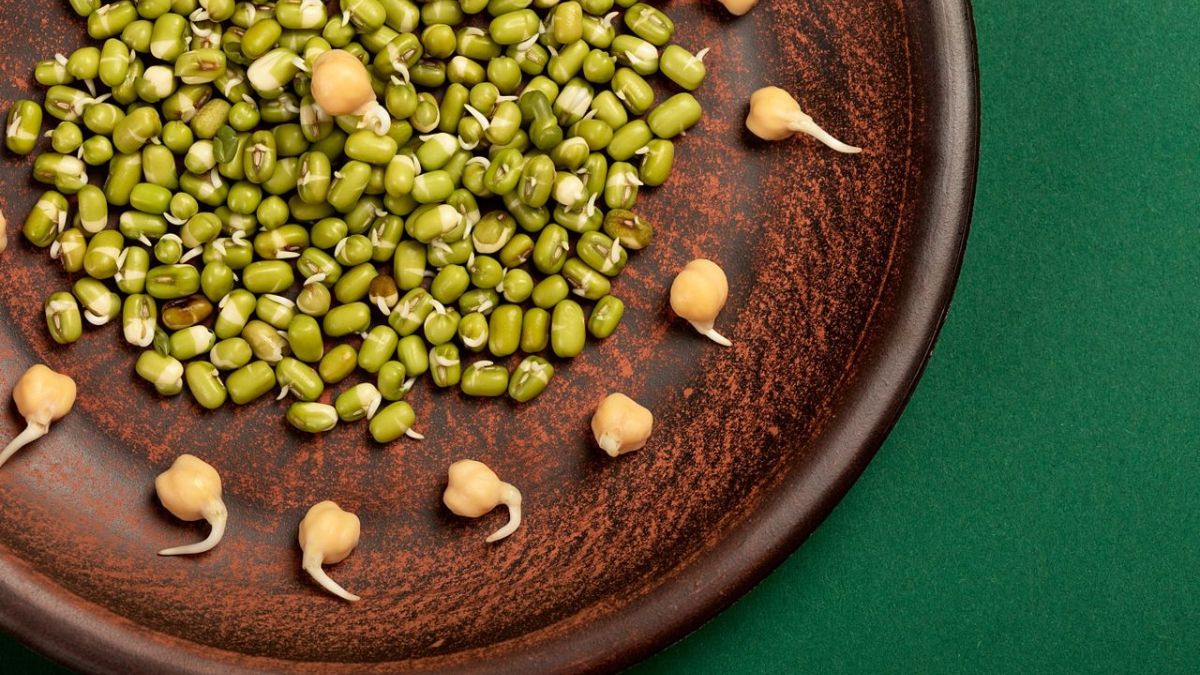
Sprouts and Your Gut: The Full Picture, Including the Gas
Sprouts bring useful nutritional changes through germination, but they can also cause gas. Here’s how sprouting works, why it happens, and how to make sprouts easier to eat.
Table of Contents
Sprouts are genuinely good for your gut, and they genuinely can cause gas in some people. Both of these things are true, and this piece holds both rather than choosing one to emphasise. The gas connection isn’t a reason to avoid sprouts; it’s a reason to understand what’s happening, manage it practically, and get the nutritional benefit without the side effect overwhelming the decision.
Sprouting is the process of germinating a seed — allowing it to begin growing by providing moisture and warmth. During germination, the seed’s stored starch and protein begin breaking down into simpler forms the emerging plant can use. From a human-digestion standpoint, this process has two relevant effects: it partially breaks down antinutrients like phytic acid (which bind to minerals and reduce their absorption in unsprouted form), and it partially pre-digests some of the complex carbohydrates that would otherwise reach the large intestine largely intact. Both of these changes improve the seed’s nutritional value for humans.
Sprouted moong, chana, fenugreek and lentils are more bioavailable than their unsprouted equivalents — the minerals in them are more accessible because the antinutrient load has been reduced, and some vitamins (particularly vitamin C and certain B vitamins) increase during sprouting. The fibre content changes during sprouting in ways this series doesn’t quote a specific figure for — the whole moong figure (17.04g per 100g, IFCT 2017) applies to unsprouted whole moong, and sprouting meaningfully changes the composition. The directional story is: sprouts are nutritionally more available than their unsprouted equivalents, with a broader micronutrient profile once germination starts.
| ⓘ What Sprouting Does to a Seed Reduces antinutrients (phytic acid) — minerals become more bioavailable Partially pre-digests complex carbohydrates — easier to absorb, but more likely to ferment in the gut Increases some vitamins (vitamin C, certain B vitamins) during germination Does NOT make sprouts calorie-free or dramatically lower in carbohydrates — common misconception Changes fibre composition from the unsprouted equivalent — no verified IFCT figure for sprouted moong in current briefing |
The same partial carbohydrate pre-digestion that makes sprouts nutritionally more available also makes them more likely to produce gas for some people. The complex carbohydrates that sprouting partially breaks down don’t fully disappear — they pass to the large intestine, where gut bacteria ferment them. This fermentation produces gas, and sprouts tend to be fermented more actively than most other vegetables because of the specific oligosaccharides (FODMAP-related compounds) they contain. This is more pronounced with raw sprouts than with cooked ones, and more noticeable in some people than others based on individual gut bacteria composition.
Cooking sprouts — stir-frying, adding to dal, or briefly steaming — reduces the gas-causing potential by breaking down more of the compounds that cause fermentation in the gut. The nutritional benefit is partially reduced by cooking (some of the heat-sensitive vitamins are lost), but the fibre and mineral-bioavailability advantage largely remains. For people who find raw sprouts cause consistent discomfort, a lightly cooked version is a practical middle ground that retains most of the nutritional case without the side effect.
Raw sprouts carry a higher food safety risk than most other raw vegetables. The warm, moist conditions ideal for sprouting are also ideal for bacterial growth, including E. coli and Salmonella. This is a well-established food safety concern that has led to several outbreak events globally. The risk is higher for young children, older adults, pregnant women and immunocompromised individuals, who are generally advised to eat sprouts cooked rather than raw. For healthy adults eating sprouts regularly with fresh produce from reliable sources, the risk is lower but not zero. Rinsing thoroughly, sprouting in clean conditions, and consuming fresh rather than storing for extended periods all reduce the risk.
| ⓘ Sprout Food Safety: The Key Points Raw sprouts carry a higher bacterial contamination risk than other raw vegetables Warm, moist sprouting conditions are ideal for both germination AND bacterial growth Higher-risk groups (children, elderly, pregnant, immunocompromised) should eat sprouts cooked Rinse thoroughly, use clean equipment, sprout in hygienic conditions, consume fresh Cooking sprouts eliminates most of the bacterial risk while retaining much of the nutritional benefit |
The most common home-sprouting method: soak whole moong (Aashirvaad Organic Moong works well, given the clean sourcing) in clean water for 8–12 hours, then drain and transfer to a covered bowl or tied muslin cloth, rinsing and draining every 8–12 hours. In the warm Indian climate, sprouts appear within 24–48 hours. The shorter the sprouting time, the smaller and more delicate the sprout — most households aim for a sprout length of about 1–2cm. Rinse thoroughly before eating. If sprouting for a higher-risk household member, cook lightly before serving.
A small bowl of raw moong sprouts with salt, lemon and chilli as a morning snack; bhel puri with added sprouts; stir-fried sprouts with onion, tomato and spices as a lunch side; sprouted moong added to a dal for extra protein and texture — these are the natural entry points for sprouts in Indian everyday eating. None of these requires a significant change in cooking habit, and all of them bring the bioavailability and nutritional benefits this piece has been describing. Start small, see how your gut responds, and add more if it works well.
Good To Know set out to give honest, specific answers to twenty food questions that matter to everyday Indian kitchens — without inflating claims, without dismissing tradition, and without treating food as either medicine or something to be afraid of. Sprouts are a fitting final food in this sense: genuinely nutritious, genuinely beneficial for most people, with a real side-effect worth knowing about, and a food-safety consideration that deserves honest mention rather than a quiet omission. That combination — real benefit, real nuance, honest framing — has been the series’ ambition throughout. Moong sprouts, done well, are a good way to close.
Disclaimer: This article is for general informational purposes only — not medical or dietary advice.
Yes, with a caveat: sprouting improves the bioavailability of nutrients in pulses by reducing antinutrients, but it also increases the likelihood of some gas in people whose gut bacteria ferment the relevant carbohydrates actively.
The partial carbohydrate pre-digestion that sprouting produces leaves compounds that gut bacteria ferment in the large intestine — producing gas. This is more pronounced with raw sprouts than cooked ones, and varies by person.
Cooked sprouts cause less gas and have lower food safety risk than raw; some heat-sensitive vitamins are reduced by cooking but most of the nutritional benefit remains. A lightly cooked sprout is the more practical choice for most households.
For healthy adults, raw sprouts are generally safe when rinsed thoroughly and consumed fresh. Higher-risk individuals (children, elderly, pregnant, immunocompromised) are generally advised to eat sprouts cooked rather than raw.
Moong sprouts are the most versatile and most commonly used in Indian cooking. Chana and lentil sprouts are also common and nutritionally comparable. The specific type matters less than the sprouting quality and food safety practices.
24–48 hours in the warm Indian climate, with 8–12 hour soaking beforehand and rinsing every 8–12 hours during sprouting.
The sprouting nutritional benefits are the same. Organic sourcing relates to farming practice; the bioavailability improvements from sprouting apply to both.
Yes — adding sprouts to a dal or cooked sabzi at the end, or stir-frying lightly before serving, is a practical way to get most of the nutritional benefit while reducing both the gas effect and food safety risk of raw sprouts.