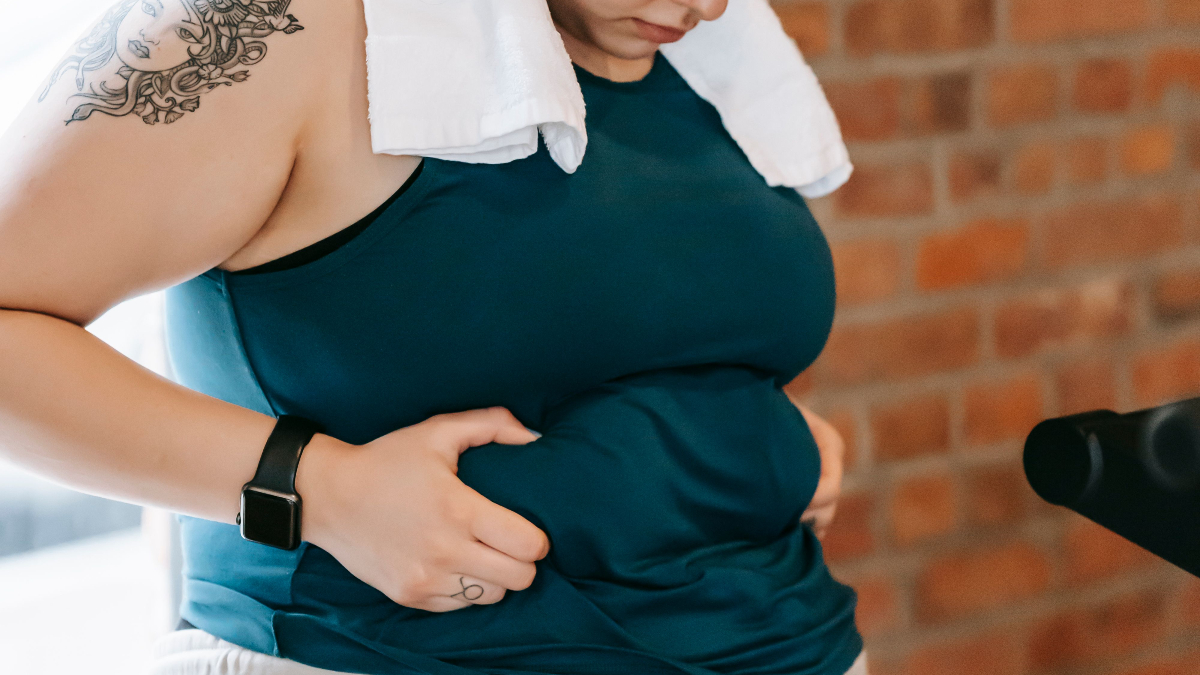
A bloated stomach does not automatically mean cancelling movement — but it is not a cue to power through pain either. The sensible choice depends on how you feel, not on guessing what 'type' of bloat you have.
If you feel mildly bloated but otherwise well, gentle movement is usually a reasonable option — and for some people it may help. A short, comfortable walk has better direct evidence than any particular ‘anti-bloat’ workout. If the bloating comes with significant pain, vomiting, dizziness, fever, or you simply feel too unwell to exercise, rest and pay attention to the symptom rather than trying to walk it off.
Your shoes are at the door. Your playlist is ready. And then your stomach weighs in with an opinion of its own.
It is a genuinely common dilemma, particularly after the full dal-chawal lunch, the plate of street food that became three plates, the family celebration, or simply a meal that ran to six dishes because somebody’s mother kept asking whether you had eaten enough. The internet tends to divide itself neatly into two camps: move, movement helps; or rest, your body is busy digesting. Real life is less obliging.
First: Bloating Is a Symptom, Not a Diagnosis
Bloating is the feeling of abdominal fullness, pressure or swelling. Some people also develop visible distension; others do not. Gas can contribute, but it is not the only explanation. Constipation, disorders of gut-brain interaction such as IBS, food intolerances, changes around the menstrual cycle and several other conditions can all be part of the picture.
That means you cannot reliably identify a neat ‘gas bloat’ or ‘water-retention bloat’ from where the sensation sits or whether it feels pressurised, lower or diffuse. The stomach does not hand out diagnostic labels with the discomfort.
There are, however, useful clues about whether exercise is sensible today. Mild fullness or gassiness after eating while you otherwise feel well is very different from bloating with severe pain, repeated vomiting or feeling faint. Your decision can be based on that distinction without needing to solve the entire cause first.
Can Gentle Movement Actually Help?
There is some evidence that it can. In a small randomised trial involving people who complained of abdominal bloating, mild exercise improved intestinal gas clearance and reduced symptoms compared with resting. Another clinical trial found that a 10–15 minute walk after meals was associated with improvement in bloating and several other gastrointestinal symptoms over four weeks.
Those are useful findings, but they do not mean a twenty-minute walk is a guaranteed treatment for every bloated stomach. Bloating is too varied for that. Think of gentle walking as a low-risk experiment when you are otherwise comfortable enough to move.
And there is no need to wait two hours before taking a gentle stroll after a large meal simply because digestion has begun. Light post-meal walking has been studied precisely in that window. What may feel unpleasant is vigorous exercise on a very full stomach.
What About Yoga?
Yoga is often recommended for bloating, and poses such as knees-to-chest, gentle twists, child’s pose and cat-cow may feel comfortable because they change position, stretch the trunk and encourage relaxed movement. If you enjoy them and they do not increase discomfort, they are reasonable gentle options.
What we cannot say is that these particular poses have been shown to mechanically squeeze trapped gas out of the intestine. Recent systematic reviews of yoga for IBS have found the evidence uncertain overall, and the studies generally evaluate yoga programmes rather than proving that one named pose treats bloating. So pawanmuktasana can remain in your repertoire without having to carry the entire burden of its English translation.
When Harder Exercise Is a Different Story
A run, HIIT session or heavy gym workout asks much more of the body than a stroll around the block. As exercise becomes prolonged or intense, blood flow is redistributed away from the gastrointestinal organs towards working muscle, and vigorous exercise itself can provoke nausea, abdominal pain, reflux, diarrhoea and other GI symptoms in susceptible people.
That does not mean intense exercise is inherently bad for digestion or that a mildly bloated person is in danger if they work out. It means that if your stomach already feels uncomfortably full or nauseated, a hard session may be a poor moment to test your tolerance. Lowering the intensity or moving the workout later is a practical choice, not a medical rule.
Hydration matters here too. Dehydration can make exercise-related GI symptoms more likely, especially during longer or harder sessions. If the day has involved heat, travel, alcohol, or simply forgetting your water bottle, factor that in before deciding that the problem is entirely the lunch.
The Specific Indian Context
After a genuinely heavy meal — the full thali, wedding lunch, biryani plus dessert plus the sweet your aunt insisted did not count — you may simply not feel like doing much. A relaxed walk is fine if it feels good. A long run or heavy leg day immediately afterwards may feel awful, and there is no medal for proving otherwise.
Dal and legumes deserve a more forgiving reputation too. They contain carbohydrates that are not completely digested in the small intestine and are fermented by bacteria in the large intestine, which can produce gas. That does not mean bloating after rajma is evidence that your gut is ‘doing exactly what it should’ or that everybody should respond by walking. It means fermentation is one plausible contributor, and light movement is one harmless thing you can try.
Around a period, bloating and other premenstrual symptoms are common. Exercise programmes have shown benefits for overall premenstrual symptoms in reviews, but the evidence does not establish that cardio specifically ‘flushes retained water’ or reliably removes menstrual bloating in the moment. Walk, dance or exercise because it feels better — not because you need to force fluid out of the body.
A Simple Decision Check
Before deciding between workout and sofa, use the version of the question that actually helps.
• Mild bloating, otherwise feel well: a comfortable walk or gentle movement is reasonable.
• Very full after a large meal: gentle walking is fine if comfortable; postpone vigorous exercise if your stomach objects.
• Bloating plus nausea or cramping: lower the intensity or rest, particularly if movement worsens it.
• Severe or worsening pain, repeated vomiting, fever, fainting, blood in the stool, or inability to pass stool or gas with marked distension: do not treat this as an exercise problem — seek medical advice.
Bloated today — did you move or rest? If you are tracking symptoms, note what you ate, whether you were constipated, what movement you tried, and whether it actually changed anything. A pattern across several episodes is more useful than assuming the walk helped because the bloat happened to settle afterwards.
The Bottom Line
Bloating and exercise are not automatically incompatible. Mild movement, especially walking, may help some people and is often worth trying when you otherwise feel well. Hard exercise is a different proposition and can provoke GI symptoms of its own. You do not need to identify the exact ‘type’ of bloat before deciding what to do: comfort, severity and accompanying symptoms are better guides than an internet flowchart.
Disclaimer
This article is for general informational and educational purposes only and is not a substitute for medical advice, diagnosis or treatment. Bloating has many possible causes. Seek medical care for severe or persistent abdominal pain, repeated vomiting, fever, black or bloody stools, unexplained weight loss, fainting, or marked abdominal distension with inability to pass stool or gas.
If the bloating is mild and you otherwise feel well, gentle exercise such as walking is reasonable and may help some people. If you have significant pain, vomiting, dizziness or feel genuinely unwell, rest and consider medical advice rather than pushing through a workout.
Does walking help trapped gas?
Small clinical studies suggest that mild physical activity can improve intestinal gas clearance and bloating symptoms. The evidence is encouraging but limited, so treat walking as a simple option to try rather than a guaranteed remedy.
Which yoga poses help with bloating?
Knees-to-chest, gentle twists, child’s pose and cat-cow are commonly used because they are comfortable forms of low-intensity movement. There is not strong evidence that any one of these poses specifically releases intestinal gas, so choose the ones that feel comfortable rather than chasing a 'correct' anti-bloat pose.
Can exercise make bloating worse?
It can. Vigorous or prolonged exercise can itself cause gastrointestinal symptoms in some people, including nausea, abdominal discomfort, reflux and diarrhoea. If harder exercise makes your bloating worse, reduce the intensity, allow more time after a large meal, and make sure you are adequately hydrated.
What should I avoid eating before exercise if I bloat easily?
There is no universal trigger list. Large meals and foods high in fat, fibre or protein close to strenuous exercise can cause GI discomfort in some people, while fizzy drinks may increase swallowed gas. Your own tolerance matters more than banning dal, cruciferous vegetables or spicy food across the board.
You are now being directed to an external website https://www.callr.live/aashirvaadexperts/premium-plan.
This link is provided for your information and convenience only and ITC Limited is not
responsible for the contents or services provided by Brand Touch India or any information that
you share with Brand Touch India.