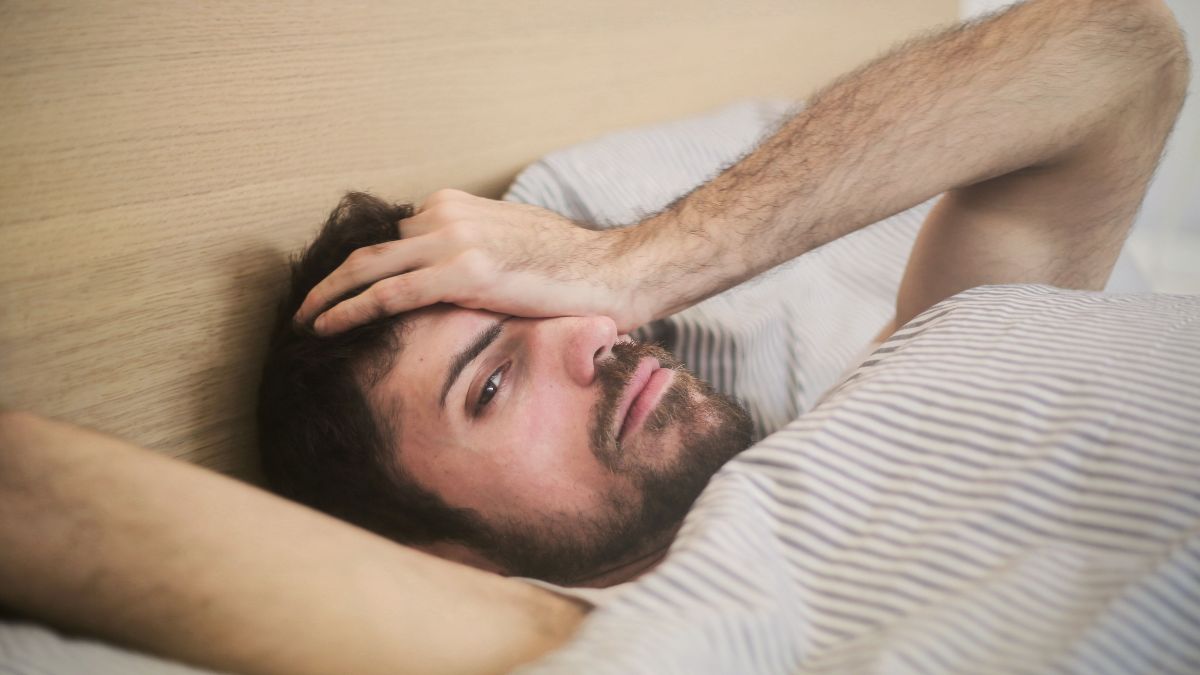
Why a Bad Night's Sleep Can Upset Your Stomach the Next Day
Poor sleep can affect appetite, cravings and digestive comfort the next day. Learn how sleep and gut habits interact and use a simple Sleep + Gut Log to spot patterns.
Table of Contents
| TL;DR Yes, a bad night’s sleep can upset your stomach the next day — the gut and brain are in constant contact, and poor sleep disrupts appetite hormones and gut rhythm. Expect changes in appetite, cravings, bloating or acidity. It’s usually not cause for concern unless it’s a repeated pattern. Try the Sleep + Gut Log to check your own. |
Yes — a bad night’s sleep can genuinely upset your stomach the next day. Your gut and brain are in constant two-way contact, so when sleep is disrupted, digestion, appetite and cravings often shift with it. You might skip breakfast, crave sugary snacks by 11 am, or notice more bloating or acidity than usual. None of this means something is wrong — it’s usually a sign your body didn’t get the overnight recovery it’s used to.
Have you ever had one of those nights where you barely slept? The next morning, you don’t just feel tired — your stomach feels different too. Maybe you’re not hungry at all, or you’re suddenly eyeing the biscuit tin by 11 am. Perhaps you’re bloated, constipated, or dealing with acidity that wasn’t there yesterday. If you’ve noticed this pattern after a poor night, it’s probably not a coincidence.
Most of us think of sleep as something that affects mood or focus, but it shapes digestion just as directly. After a restless night, people commonly notice their appetite feels different, their usual breakfast doesn’t appeal, snacking increases through the day, digestion feels slower, and bloating or acidity becomes more noticeable. None of these changes automatically mean something is wrong — they’re simply clues that your body hasn’t had its usual overnight recovery.
| What is the gut-brain axis, and why does sleep affect it? The gut has its own network of nerves, in constant two-way contact with the brain — a relationship researchers call the gut-brain axis. It’s part of why emotions and stress show up as physical sensations in the stomach, and it works in both directions, so what happens in the gut can affect mood just as mood affects the gut. Sleep sits inside this loop too. Poor sleep can disrupt the hormones that regulate hunger and fullness — ghrelin and leptin — which is part of why a bad night often shows up the next day as stronger cravings, particularly for quick, sugary or high-calorie food, alongside a change in appetite generally. Sources: Stanford Lifestyle Medicine, on sleep deprivation and appetite hormones; Tufts Now, on the hormones that control appetite. |
Think back to the last time you slept badly. Did you wake up later than usual? Skip breakfast because you were running behind? Reach for an extra cup of tea or coffee? Order takeaway because you were too tired to cook? Move less than you normally would?
Suddenly your digestive system isn’t responding to poor sleep alone — it’s responding to everything that came with it.
Your gut appreciates consistency, and that applies to sleep as much as it does to meals. Going to bed at midnight one night and 3 am the next, sleeping in for hours on weekends, or staying up binge-watching a show can all disrupt the rhythm your body has settled into. Your stomach doesn’t own a clock, but it does respond when your daily routine changes.
Ever noticed that after a bad night’s sleep, the office biscuit tin suddenly becomes impossible to ignore? You’re not imagining it. Many people find that poor sleep changes the way they feel about food the next day — they may crave quick, convenient foods, or find themselves snacking more often than usual.
| A familiar pattern: Ankit’s Sunday-night scroll Ankit works in tech and, like a lot of people, treats Sunday night as unofficial screen time. One more episode becomes three, and midnight becomes 2 am. He used to put Monday’s sluggish stomach down to the samosas at his team’s Monday breakfast meeting. Tracking a few weeks of this pattern, though, showed something different. On Mondays after a full night’s sleep, his stomach behaved normally regardless of what he ate at the meeting. On Mondays after a late Sunday scroll, he felt bloated and off by mid-morning — even on the weeks he skipped the samosas entirely. The variable wasn’t the food. It was the sleep the night before, and everything that came with it: a rushed breakfast, an extra coffee, and a body that hadn’t had its usual recovery window.Ankit didn’t need to give up his Sunday shows. He needed to notice that the stomach trouble he was blaming on Monday breakfast was actually showing up the night before, in his bedroom, not the meeting room. |
Good digestion isn’t just built at the dining table — it’s also shaped by habits away from food. A day that includes balanced meals, enough water, regular movement and adequate sleep often feels very different from one built around exhaustion and convenience. That’s why it helps to look at your whole routine instead of blaming one meal for a day of digestive discomfort.
Everyone sleeps badly sometimes — a late flight, a sick child, an exciting cricket match that went into the night. Life happens. The bigger question is whether poor sleep has become your normal. If your digestion regularly feels worse after nights of inadequate or poor-quality sleep, it’s a pattern worth paying attention to.
| Habit or signal | On a well-rested day | On a poorly-rested day |
| Breakfast | Usually appeals, eaten at the normal time | Often skipped or delayed, sometimes replaced with just tea or coffee |
| Cravings | Steadier appetite, standard meals feel satisfying | Stronger pull towards sugary, quick or fried snacks |
| Digestion | Regular, few surprises | Slower, more bloating or acidity than usual |
| Movement | Easier to fit in a walk or usual activity | Often skipped along with everything else that takes effort |
| Meal timing | Reasonably consistent | Rushed, delayed or skipped through the day |

Rather than guessing, spend a few days tracking both your sleep and your digestion side by side. It’s a simple way to see whether the pattern you suspect is actually there.
| Day | Hours slept | Sleep quality | Digestive symptoms |
| Day 1 | |||
| Day 2 | |||
| Day 3 | |||
| Day 4 |
Also worth noting each day:
By the end of a few days, you may notice your stomach feels more settled after better nights of sleep, or that certain symptoms tend to appear after particularly restless ones.
| A lighter dinner that goes easy on sleep and digestion Heavy, late dinners are one of the more fixable habits on this list, since a lighter evening meal tends to sit easier and disrupt sleep less than a rich, oily one eaten close to bedtime. Ingredients (serves 2): 1 cup Aashirvaad Namma Chakki 100% Khapli Atta, for 3–4 small rotis · ½ cup moong dal, washed · 1 cup mixed vegetables such as bottle gourd, carrot or spinach, chopped · 1 tsp cumin seeds, a pinch of turmeric, salt to taste · 1 tsp ghee. Method: Pressure-cook the moong dal with turmeric, salt and the chopped vegetables until soft, for a simple, one-pot khichdi-style dal. Knead the Khapli atta into a soft dough and roll small rotis, cooking them fresh on a hot tawa. Finish the dal with a light tempering of cumin in ghee. Eat this a couple of hours before bed rather than right before, so digestion has a head start before you lie down.This is a gut-first suggestion, not a sleep cure — the point is simply that a lighter, earlier dinner is one of the few sleep-and-digestion habits fully within your control on any given evening. |
You don’t need a perfect bedtime routine. But many people find it helpful to:
These habits work together. No single one does all the heavy lifting.
Try this prompt: “Here’s my sleep and gut log from the past week, including how many hours I slept, what I ate, my water intake and any digestive symptoms. Can you help me spot patterns between my sleep and my gut?”
A bad night’s sleep doesn’t just leave you reaching for another cup of coffee. It can shape your appetite, your eating habits, and the way your digestive system feels through the day. That doesn’t mean every digestive symptom starts in the bedroom — but if your stomach often seems out of sorts after a restless night, it’s worth looking at your sleep alongside your meals.
Read next: Why Your Gut Often Knows You’re Stressed Before You Do (pillar) · The Deadline Lunch: Why Eating in a Rush Feels Different (sibling)
Had a rough night last night? Log it along with how your stomach felt today, and start building your own sleep-gut picture.
DISCLAIMER: If digestive symptoms continue, are severe, or keep coming back despite healthy lifestyle habits, it’s worth speaking to a doctor. Sudden weight loss, blood in your stool, severe or persistent pain, or difficulty swallowing need prompt medical attention.
Yes. Poor sleep disrupts the gut-brain connection and appetite hormones, which is why bloating, acidity, low appetite or sugar cravings often show up the day after a bad night's sleep.
Sleep loss can throw off ghrelin and leptin, the hormones that regulate hunger and fullness, making high-calorie, quick foods feel more appealing than usual the next day.
It can contribute to it. Sleep affects gut motility and how strongly the gut perceives sensations like gas, so bloating or acidity can feel more noticeable after a restless night.
A single rough night usually causes mild, temporary changes. A repeated pattern of poor sleep, not one bad night, is what's more worth paying attention to.
Keep sleep times consistent, avoid heavy late dinners, stay hydrated, and eat balanced meals. These habits reinforce each other rather than working in isolation.