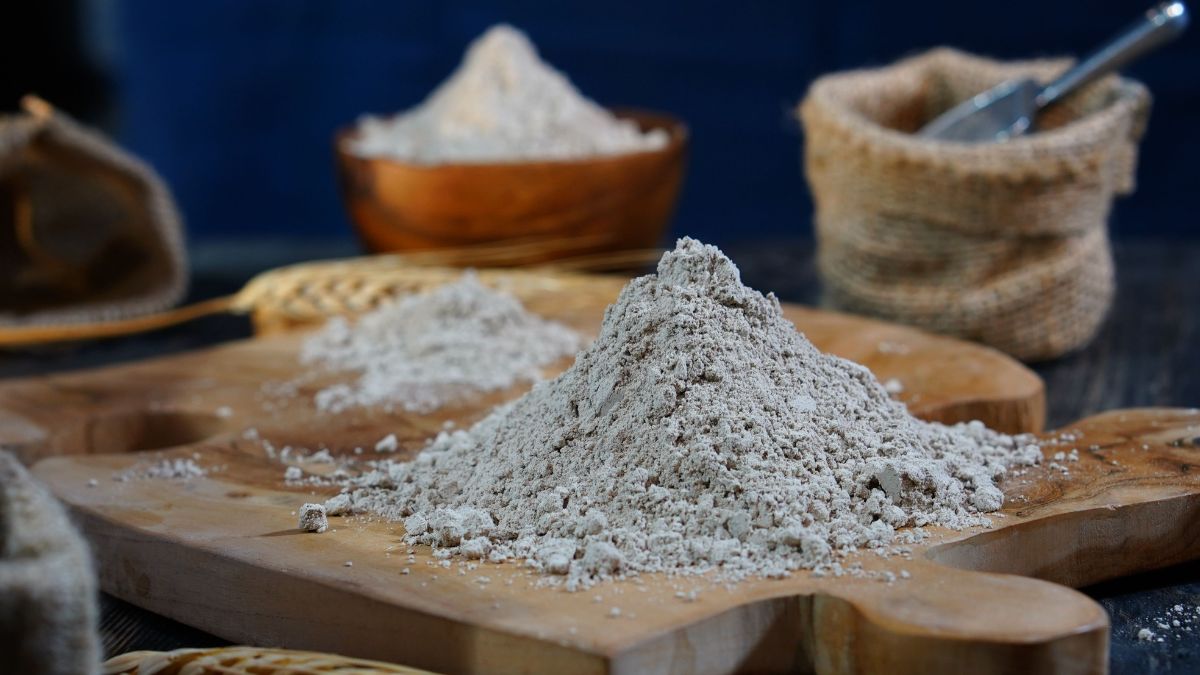
Is Khapli Easier on the Stomach? What the Evidence Says
Khapli and regular whole wheat are nearly identical on fibre, and human research does not show that emmer wheat is consistently easier on the stomach. Texture may differ; digestive tolerance is individual.
The short answer is: there is currently no good evidence that Khapli atta is generally easier on the stomach than regular whole wheat atta. Khapli, or emmer wheat, does differ from modern bread wheat in grain structure, dough behaviour and some aspects of composition, but those differences have not translated into a clear, proven advantage for everyday digestive comfort.
That does not mean nobody can prefer Khapli or feel better after eating it. Individual experience is real. It does mean that a personal experience should not be turned into a general claim that Khapli is easier to digest for most people.
First, What Does “Easier on the Stomach” Mean?
The phrase sounds simple, but it can refer to several different experiences: less bloating, less heaviness, less reflux, fewer cramps, easier chewing, a softer roti, or simply feeling more comfortable after the meal. Those are not interchangeable outcomes, and they do not all arise from the same mechanism.
That is why digestibility claims need to be precise. A flour can behave differently in dough without being easier for the gastrointestinal tract to digest. A softer roti can feel different in the mouth without necessarily changing bloating, reflux or bowel habits. Texture and digestive tolerance overlap in everyday experience, but they are not the same scientific question.
The Fibre Numbers Are Essentially the Same
On dietary fibre, there is no meaningful gap between Khapli and regular whole wheat atta in the figures used here. Aashirvaad Namma Chakki 100% Khapli Atta reports about 11.4g of fibre per 100g. The Indian Food Composition Tables list regular wheat flour atta at 11.36g per 100g.
A difference of 0.04g per 100g is nutritionally trivial. So if someone feels that Khapli sits differently from ordinary whole wheat, fibre quantity by itself does not explain it. Both are whole-wheat flours with broadly comparable fibre content.
The larger fibre distinction is between whole-grain atta and refined maida, not between Khapli and another whole-wheat atta.
What Human Research on Emmer Actually Shows
There is some human research comparing ancient wheat species with modern bread wheat, but the evidence does not support a blanket “easier to digest” claim.
A 2024 randomized, double-blind crossover study tested breads made from bread wheat, spelt and emmer in adults with self-reported non-coeliac wheat sensitivity. Participants ate the different breads under controlled conditions, and researchers tracked gastrointestinal symptoms including abdominal discomfort, pain, bloating and flatulence.
At group level, symptoms did not differ significantly between the wheat species. In other words, emmer bread was not consistently better tolerated than bread made from modern bread wheat. Some individuals reacted differently to individual breads, but there was no clear emmer advantage across the group.
That study is especially relevant because it directly examined gastrointestinal symptoms rather than relying on assumptions about heritage grains. It still does not answer the exact question of Aashirvaad Khapli atta rotis versus a specific regular atta in the Indian context: the products, preparation methods and study population were different. But it makes a broad claim of superior digestive tolerance harder to justify.
What About Other “Ancient Wheat” Studies?
Some older trials involving other ancient wheats have reported improvements in gastrointestinal symptoms under specific conditions. Those studies are interesting, but they should not be treated as proof about Khapli.
Ancient wheat is not a single grain. Einkorn, emmer, spelt and Khorasan wheat differ genetically and compositionally. A trial using one of them, in one product format, cannot automatically be transferred to another. Processing matters too: sourdough fermentation, milling, bread structure and recipe composition can change how a wheat product is tolerated.
That is also why the statement “older wheat is gentler” is too broad. A 2022 review of ancient and modern wheats concluded that all wheat types contain gluten and that ancient wheats cannot simply be recommended as safer or better tolerated on the basis of age or heritage.
Khapli Does Behave Differently in the Kitchen
Khapli’s genuine differences are easier to defend in the kitchen than in the digestive tract. The product data used for this series report water absorption of about 73%, notably higher than a standard roller-milled reference. That helps explain why Khapli dough and rotis can feel softer or more pliable.
That difference matters to cooking and eating experience. It does not prove easier digestion. Someone may prefer the softer texture or find it easier to chew; another person may notice no difference at all. Neither experience establishes a physiological digestive advantage.
Gluten Is Not the Explanation
Khapli is emmer wheat, and emmer contains gluten. It is not gluten-free and is not suitable for people with coeliac disease.
The National Institute of Diabetes and Digestive and Kidney Diseases specifically lists emmer among wheat types that naturally contain gluten. Research reviews also caution against assuming ancient wheats contain less or safer gluten than modern bread wheat.
So feeling more comfortable after a Khapli roti does not prove that someone is “gluten sensitive”, and Khapli should not be used as a substitute for proper assessment when wheat repeatedly causes symptoms.
Why One Roti Meal Can Feel Different From Another
When someone says a particular atta felt lighter, the flour may be only one of several variables that changed at the same time. Portion size matters. So does how much oil or ghee was used, what the roti was eaten with, how quickly the meal was eaten, whether dinner happened close to bedtime, and whether the person was already constipated, stressed or unusually hungry.
Hydration and total fibre intake across the day can also change how a meal feels, particularly if someone has recently increased whole grains. None of these factors proves that the atta is irrelevant; they simply make single-meal comparisons unreliable.
If two rotis made from different flours are eaten on different days with different sabzis, portions and timings, the experience cannot cleanly isolate the effect of the flour.
A Better Way to Judge Your Own Tolerance
If you are curious about how Khapli suits you, compare like with like rather than relying on one good or bad meal. Keep the number of rotis, accompaniments, meal timing and portion size reasonably similar on different days. Then notice whether bloating, heaviness, reflux or bowel symptoms repeatedly differ.
Even then, treat the result as information about your own tolerance, not proof about Khapli in general. Personal observation can guide preference; it cannot establish a population-level digestive claim.
When Digestive Symptoms Need More Than an Atta Experiment
Frequent bloating, abdominal pain, reflux, diarrhoea or constipation should not be explained away by repeatedly switching flours. Wheat-related symptoms can have several possible causes, including coeliac disease, wheat allergy, irritable bowel syndrome and reactions to fermentable carbohydrates such as fructans.
If symptoms are persistent, severe or repeatedly linked to wheat, proper medical assessment is more useful than self-diagnosing gluten sensitivity or assuming a heritage wheat will solve the problem. Do not start a gluten-free diet before coeliac testing unless a clinician advises it, because removing gluten beforehand can affect test accuracy.
Seek prompt medical advice for unexplained weight loss, blood in the stool, persistent vomiting, severe or ongoing abdominal pain, or difficulty swallowing.
The Bottom Line
Khapli is a legitimate whole-wheat option with its own texture, cooking behaviour and heritage. What the evidence does not currently support is a general claim that it is easier on the stomach than regular whole wheat atta.
If you enjoy Khapli and it suits you, that is a perfectly good reason to eat it. If it does not, there is no scientific reason to force the switch. Digestive comfort is influenced by the whole meal, the person eating it and, sometimes, an underlying condition that deserves proper assessment.
Disclaimer
This article is for general informational and educational purposes only and is not a substitute for medical advice, diagnosis or treatment. Khapli is a wheat and contains gluten. Anyone with diagnosed coeliac disease, suspected wheat allergy or persistent wheat-related symptoms should follow guidance from a qualified healthcare professional rather than relying on a flour substitution.
Is Khapli atta easier to digest than regular whole wheat atta?
Current evidence does not show that it is generally easier to digest. The two are essentially equivalent in fibre, and a controlled study comparing emmer with modern bread wheat found no significant group-level difference in gastrointestinal symptoms.
Why do some people say Khapli feels lighter?
Khapli dough and rotis can have a different texture because the flour absorbs more water. Personal tolerance can also vary. But a softer texture or a better individual experience is not the same as evidence that Khapli is physiologically easier to digest.
Does Khapli help with bloating or constipation?
Khapli is not a treatment for bloating, constipation or any digestive disorder. Like regular whole wheat atta, it contributes dietary fibre as part of the overall diet.
Is Khapli suitable for sensitive stomachs?
There is no universal answer. Some people may prefer it; others may notice no difference or may still experience symptoms. Ongoing digestive problems should be assessed rather than managed by changing flour alone.
Is Khapli gluten-free?
No. Khapli is emmer wheat and contains gluten. It is not suitable for people with coeliac disease unless a clinician specifically advises otherwise, which standard coeliac guidance does not.
Is there research showing emmer is better tolerated than modern wheat?
Human studies exist, but the evidence is mixed and product-specific. The most directly relevant controlled bread study found no significant overall difference in gastrointestinal symptoms between emmer, spelt and modern bread wheat.
You are now being directed to an external website https://www.callr.live/aashirvaadexperts/premium-plan.
This link is provided for your information and convenience only and ITC Limited is not
responsible for the contents or services provided by Brand Touch India or any information that
you share with Brand Touch India.