The Protein–Fibre Balance: Why High-Protein Diets Can Backfire On Your Gut
You raised your protein, expecting stronger workouts and steadier meals. So why has your stomach suddenly become the least cooperative member of the plan?
Table of Contents
Protein does not automatically cause constipation. If symptoms start after you increase protein, look at the rest of the diet as well as the shake or bar. A larger chicken portion or a breakfast shake may have displaced dal, vegetables, fruit or whole grains, leaving less fibre overall.
The opposite change can cause trouble too. Adding bran, seeds, sprouts and fibre powders all at once may increase gas and bloating. Restore familiar fibre-containing foods gradually, with enough fluid, rather than attempting an emergency rescue. Follow individual advice if you have a prescribed low-fibre diet or fluid restriction.
A new protein product can bring ingredients that affect tolerance. Whey-based products may contain lactose, which can cause symptoms in people with lactose intolerance. Some bars contain sugar alcohols, including sorbitol or maltitol, or added fermentable fibre such as inulin. Check the ingredients and nutrition panel; protein products vary.
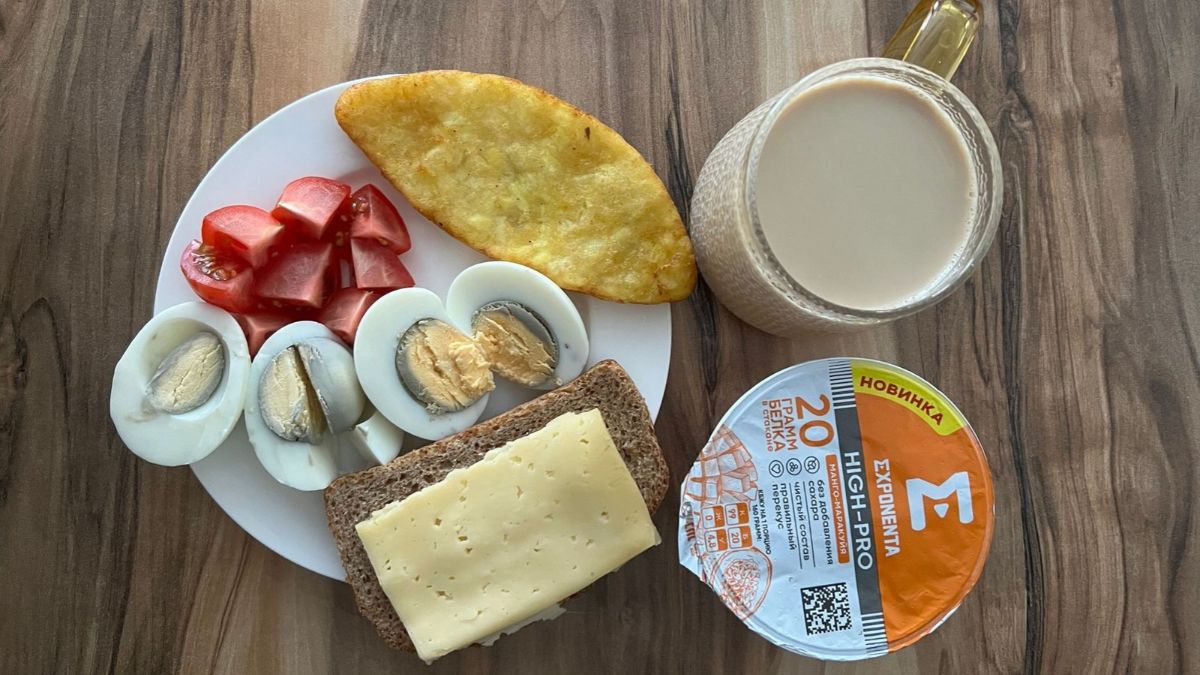
For mild symptoms without warning signs, try changing one non-essential item at a time while keeping meals adequate and varied. Pulses are useful because they supply both protein and fibre. Eggs with wholegrain toast and fruit, or chicken with rice, dal and vegetables, are practical pairings.
Persistent constipation needs assessment, not an increasingly restrictive diet. Seek prompt medical care for constipation with blood in stools, constant abdominal pain, vomiting, fever, inability to pass gas or unexplained weight loss. Do not stop prescribed supplements or medicines without advice. A dietitian can help assess protein needs, particularly with intensive training, medical conditions or anxiety around eating.
Let us begin with a familiar plot twist. You decide to eat more protein. Breakfast becomes eggs or a shake. Lunch is built around chicken, paneer or tofu. The afternoon biscuit is replaced by a protein bar. You feel impressively organised for about four days, and then your bowel movements slow down, your stomach feels heavy and somebody announces that “protein is bad for the gut”.
It is a neat explanation. It is also incomplete.
A high-protein diet does not automatically harm the gut, but its effects depend on the overall pattern, the products involved and your health. Symptoms after a dietary change deserve a closer look than blaming one nutrient.
Athletes and people doing substantial training may need more protein to support recovery and adaptation. The joint sports-nutrition position statement from the Academy of Nutrition and Dietetics, Dietitians of Canada and ACSM recognises these needs and recommends individual planning.
The mistake is allowing one nutrient goal to redesign the entire plate without noticing what disappeared.
Meat, fish, eggs and plain dairy foods provide little or no fibre. Powders and bars vary: some have very little, while others contain substantial added fibre. The label matters.
If a bigger chicken portion pushes dal and vegetables off the plate, or a shake replaces a breakfast containing fruit and oats, fibre intake can fall. That may contribute to constipation. It does not prove that protein itself caused it.
The Indian kitchen has an obvious way to combine the two nutrients: pulses. Whole chana, whole moong and rajma supply both protein and fibre. Indian Food Composition Tables 2017 puts their fibre content at roughly 17–25g per 100g of the dry, raw ingredient, depending on the pulse. That is not the amount in 100g of cooked curry, which contains added water and other ingredients.
A high-protein plate that keeps its dal already has a fibre contributor. A useful question is: “What did I stop eating to make room for the extra protein?”
Fibre is not fully digested in the small intestine. Different types hold water, add bulk or are fermented by microbes in the colon. Fibre-containing foods can support softer stools and regular bowel habits, but the effect depends on the type and the person.
NIDDK’s constipation guidance lists whole grains, pulses, fruit, vegetables and nuts among useful sources.
There is no single magical fibre food. Nor is the answer necessarily an enormous bowl of raw salad beside an already uncomfortable stomach. Think about fruit that actually gets eaten, vegetables at meals and a pulse or whole grain where it fits, with enough variety that protein is not the only character with speaking lines.
Once constipation appears, the pendulum can swing from little fibre to bran, seeds, a fibre powder and two bowls of sprouts in one afternoon. Then come gas and bloating, and fibre is declared another villain.
A gentler change is usually easier to tolerate. NIDDK advises adding fibre a little at a time and drinking enough liquid to help it work better.
Its IBS guidance says increasing fibre slowly, by 2–3g a day, may help prevent gas and bloating. This is advice in an IBS context, not a universal schedule or a treatment plan for persistent constipation.
For mild symptoms without warning signs, add one repeatable food first: fruit with breakfast, vegetables at lunch, oats in the usual bowl or a familiar serving of dal. Give yourself time to assess tolerance before adding several more changes.
Fluid matters, especially if you are training and sweating, but “drink as much water as possible” is not a cure. Needs vary with activity, climate, body size and health. Follow individual fluid instructions if you have a kidney, heart or other condition, and follow any prescribed low-fibre diet.
If the trouble began with a new powder or bar, turn the packet around. Ingredients and amounts vary, even between products with similar protein claims.
Whey-based products may contain lactose. NIDDK lists whey and milk by-products among ingredients to check. The amount of lactose differs between formulations; “whey” alone does not tell you how much is present.
In someone with lactose intolerance, lactose can cause gas, bloating, abdominal pain, nausea or diarrhoea. That is a different pattern from hard stools and difficult passage.
Most people with lactose intolerance can tolerate some lactose, though amounts differ. Do not assume that one uncomfortable shake means all dairy needs to disappear. A clinician or dietitian can help assess a recurring pattern.
Some bars and “low-sugar” products contain sugar alcohols, also called polyols, such as sorbitol, xylitol, mannitol or maltitol. These can cause gastrointestinal symptoms, depending on the ingredient, amount and individual tolerance.
An older sorbitol study included 30 healthy volunteers, with different groups taking different test doses. Symptoms were reported by 45% of those tested after 10g and all those tested after 20g. These were small experimental groups taking sorbitol test doses, not a study of modern protein bars. The figures are not a universal tolerance limit.
In India, FSSAI’s labelling rules, Schedule II, require packaged foods containing 10% or more polyols to carry a boxed declaration: “Polyols may have laxative effect”. The absence of that warning does not guarantee that a product will suit you.
Added inulin or chicory-root fibre can also represent a sudden increase in fermentable fibre. Research on chicory inulin products has found that tolerance varies with the type and amount, with gas and bloating among reported symptoms. Added fibre is not automatically a problem; a large, unfamiliar increase may be.
Changing the powder, bar, caffeine intake, breakfast and total protein all at once makes it harder to identify which change mattered. For mild symptoms, consider changing one non-essential item at a time. Never stop a prescribed medicine or medically indicated supplement without speaking to the clinician who recommended it.
There is another possibility. Some people find protein foods filling and unintentionally start eating too little overall. Meals become smaller, carbohydrate is treated as suspicious, and another shake stands in for food.
A large reduction in food intake may mean less stool bulk. It may also leave training inadequately fuelled. Neither possibility explains every case of constipation, but both are worth considering when the entire diet has changed.
Protein is one part of a meal; it is not the whole architecture. A balanced plate might include a protein source, a carbohydrate that supports the day’s activity, a vegetable or fruit, and some fat for flavour and satisfaction.
The proportions will change with appetite, training, culture and health needs. The point is to stop asking protein to do every job. If eating less has started to feel like the goal in itself, or food rules make you anxious, raise it with a doctor or dietitian.
ICMR-NIN’s 2024 Dietary Guidelines for Indians, Guideline 8, advises obtaining good-quality protein through an appropriate combination of foods and avoiding protein supplements to build muscle mass. The accompanying discussion says most athletes can obtain recommended protein amounts from food.
That makes familiar foods a sensible starting point: pulses, dairy if suitable, eggs, fish, meat, soy foods, nuts and seeds.
If you train intensively, struggle to meet your needs through food or have a medical nutrition requirement, seek individual advice from a qualified sports dietitian or clinician. The question is whether a supplement serves an identified need. General guidance is not a reason to stop a prescribed nutritional product.
For mild symptoms without warning signs, a few notes over three ordinary days may help you describe what changed. This is an observation exercise, not a diagnostic test or a reason to delay care.
Notice the protein source and its fibre partner. Eggs with wholegrain toast and fruit have partners. Paneer bhurji with roti and sabzi has partners. Chicken with rice, dal and vegetables has several. A shake alone may leave those foods missing.
Record the symptom precisely. Hard stools, straining and difficult passage suggest constipation; loose stools after a shake tell a different story. Bloating alone can have many causes. Did it begin after the diet changed, after one product was added, or during a week of travel, stress or reduced food intake?
For mild, uncomplicated symptoms, “add back before cutting out” can be a useful starting point. If breakfast became only a shake, add food beside it. If vegetables vanished from every plate, bring back one familiar vegetable gradually. This may reveal a missing part of the pattern without starting a broad elimination diet.
If notes make you anxious or encourage restrictive eating, skip the exercise and seek support.
Constipation has several possible causes, including medicines, pelvic-floor problems and underlying conditions. Speak to a doctor if it does not improve with sensible self-care, keeps returning or comes with a lasting change in bowel habits.
Seek prompt medical care for constipation with rectal bleeding, blood in stools, constant abdominal pain, inability to pass gas, vomiting, fever or unexplained weight loss. Severe pain, especially with vomiting or an inability to pass gas, needs urgent assessment.
The protein–fibre balance is not a fixed ratio. It is a bit of plate awareness. Keep the protein that serves a purpose, then look around it. The foods that vanished may explain more than the nutrient that stayed.
This article provides general information for adults and is not a substitute for personalised medical or dietetic advice. It does not diagnose the cause of constipation, bloating or diarrhoea. Follow your clinician’s advice if you have a kidney, heart or digestive condition, a prescribed diet or fluid restriction, or a medically indicated supplement. Children, pregnant or breastfeeding people, older adults and athletes with specific nutrition needs may require individual guidance.
Not automatically. A high-protein eating pattern can contribute if it displaces fibre-containing foods or accompanies other changes. Constipation also has medical and medicine-related causes, so persistent symptoms should be assessed.
It can for some people. Whey-based products may contain lactose, and lactose intolerance can cause gas, bloating, pain or diarrhoea. Check the formulation and what you mix it with. Recurring symptoms need assessment rather than an assumption that all protein or dairy is unsuitable.
Some contain polyols or added fermentable fibre such as inulin. The amount and your tolerance matter. Read the ingredient list and fibre content, and consider whether symptoms started after introducing the product.
Add it gradually, with adequate fluid. NIDDK’s IBS guidance gives 2–3g a day as a possible gradual increase, but this is not a universal prescription. Seek advice if symptoms persist, worsen or you have been given a specific diet.
ICMR-NIN advises obtaining protein from a suitable combination of foods and avoiding supplements for building muscle mass. A sports dietitian or clinician can assess an individual need. Do not stop a prescribed supplement without advice.