Karwa Chauth Sargi: What to Eat and How to Break Your Fast
A filling pre-dawn plate, a gentler moonrise dinner, and the signs that mean your health needs to come before the fast.
Table of Contents
A good Karwa Chauth sargi pairs the festive treats with food that actually fills you up: a whole-wheat paratha or a couple of rotis, curd or paneer for protein, a piece of whole fruit, a small handful of nuts, and water sipped steadily through the meal. Very salty foods can make you thirstier; large, rich portions may leave you feeling heavy. After moonrise, start with water at a comfortable pace, then a small, familiar plate such as dal-chawal or moong dal khichdi, and give dinner time to settle before you lie down.
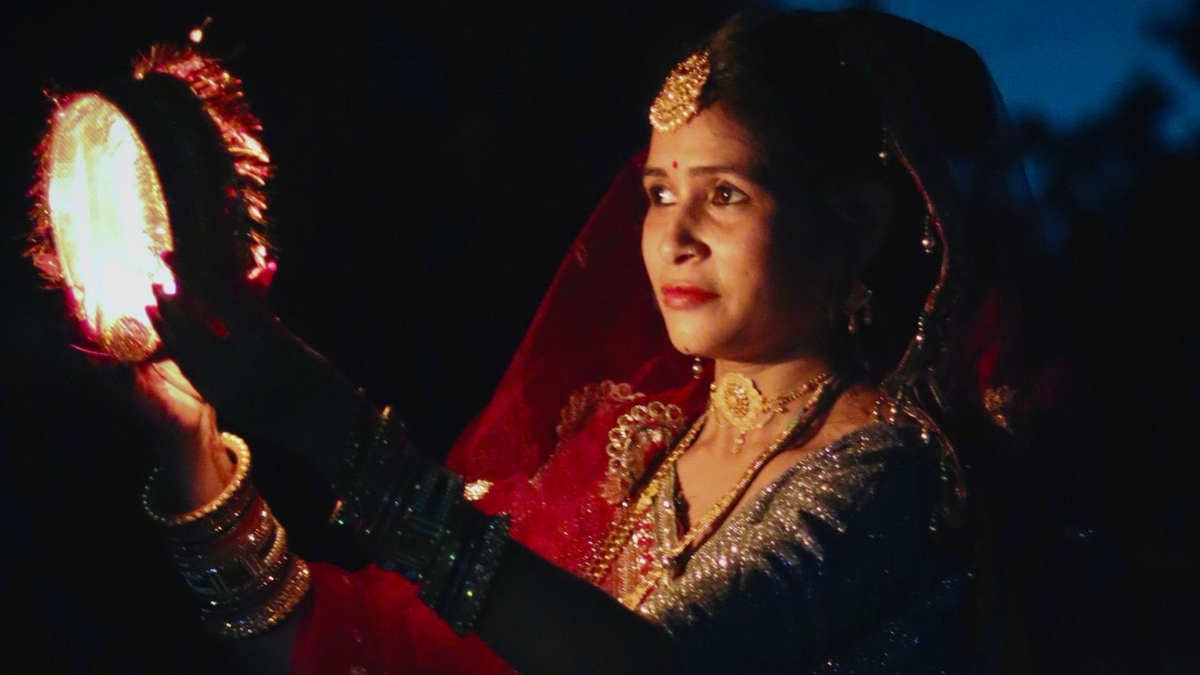
For many married women across North India, Karwa Chauth begins in the dark, with a sargi thali, often prepared or sent by the mother-in-law, eaten before sunrise. It is the last food and water of the day. A nirjala vrat means nothing to eat or drink until the moon is sighted and the evening puja is complete, and the hours in between are rarely restful: there’s cooking to do, offices and schools to get to, guests arriving, and in many cities a warm afternoon to get through.
Sargi is the pre-dawn meal eaten before the Karwa Chauth fast begins, traditionally given to a woman by her mother-in-law. It may include pheni or seviyan, savoury mathri, fruit, dry fruits and milk. In a nirjala (waterless) observance, it is the last food and water before the fast, which ends after the moon is sighted and the evening rituals are complete.
It helps to be honest about what sargi can and can’t do. No meal, however well planned, can stand in for a day’s drinking water, and how your body copes depends on the weather, how active you are, and your health and medication. A sensible sargi may help you feel fuller and more comfortable, but it cannot remove the dehydration risk of a waterless fast. How you break the fast matters too. A large, rich dinner eaten quickly can bring bloating and acidity at bedtime.
Sargi thalis vary from home to home. A traditional one might carry pheni or seviyan, mathri, coconut, dry fruits, fresh fruit, mithai and a glass of milk, and many families now add parathas, sabzi or poha. There is no single correct menu, and no need to turn a family ritual into a diet chart. The useful test is simpler: does the plate have something filling, some protein, some fruit, and enough to drink?
Pheni, mathri and laddoos belong on the thali, but many versions are made with maida, ghee or added sugar, and a plate built only from them may not feel very satisfying. Anchor the meal with something more substantial: a stuffed paratha, a couple of rotis with sabzi or paneer bhurji, or a plate of poha with peanuts.
This is where whole wheat earns its place. IFCT 2017 lists about four times as much fibre in standard wheat atta as in maida—about 11.4 g versus 2.8 g per 100 g of raw flour. Fibre can help a meal feel filling. For the rotis or parathas, use an atta you’re familiar with; Aashirvaad Chakki 100% Khapli Atta is one whole-wheat option.
That last point matters more than usual on Karwa Chauth. Some fibre absorbs water in the gut, and the NHS advises drinking enough fluid alongside fibre. A sudden increase in fibre without enough fluid can contribute to constipation rather than comfort. So this isn’t the morning to try isabgol for the first time or double your usual flaxseed. A familiar portion of the paratha you’d eat on an ordinary day is a sensible place to start.
Protein and a little fat can help a meal feel more satisfying; a bowl of dahi alongside the paratha is one easy way to add them. Milk or curd features in the balanced dietary pattern illustrated in the ICMR-NIN Dietary Guidelines for Indians. Paneer, a glass of milk, or a small handful of almonds and walnuts can fit in too, with little extra preparation at 4 am. If dairy doesn’t suit you, use what you’d normally reach for instead, such as peanuts in your poha or a besan chilla.
A banana, an apple, a pear or a few slices of papaya add fibre, a little water and natural sweetness. Whole fruit is the better choice over juice, because the fibre stays in. Paired with curd and a few nuts, a banana becomes part of a meal rather than a snack. Juicy fruit does contribute some fluid, but nowhere near enough to stand in for the water you won’t be drinking for the rest of the day.
Mathri, namkeen and a spoonful of achaar are part of the fun, but very salty food tends to leave you thirsty, and on a waterless fast that is a concern. Keep them to a taste. Rich, fried food eaten in a hurry at an unusual hour is also a familiar recipe for that heavy, bloated feeling; smaller portions, slower eating and less greasy food can all help. A sweet to mark the occasion is part of the tradition. Just let it share the plate rather than become it.
Water deserves as much planning as food. The ICMR-NIN guidelines list drinking adequate water among their core recommendations, and the National Kidney Foundation notes that how much you need depends on your age, the climate, how active you are and your health. That is why there’s no magic number to drink before a nirjala fast.
The practical approach is to sip water through the meal and in the hour before sunrise, rather than downing a large amount in one go at the last minute, which can leave you uncomfortably full. Keep a bottle within reach while you cook, dress and finish the morning rituals, because that’s when drinking gets forgotten. Milk, chaas and nariyal pani count towards your fluids too. If your usual cup of chai agrees with you, it can stay; make water part of the meal too.
…you have diabetes, kidney disease or a heart condition; take regular medication; are unwell or recovering from an illness; or are pregnant or breastfeeding. Going a whole day without fluids is the demanding part: Cleveland Clinic notes that dry fasting can lead to dehydration and kidney problems. A meal plan does not remove those risks.
For people with diabetes, Diabetes UK advises speaking to your healthcare team before fasting. Do not change medicines or their timing on your own. If a waterless fast would put your health at risk, discuss a modified observance that allows water or phalahar. That conversation is worth having before the day, not during it.
For children, during pregnancy, or for older adults, follow a doctor’s guidance before making changes.
During the fast, watch for thirst, a headache, feeling dizzy or light-headed, a dry mouth, tiredness, and dark yellow pee or peeing less than usual. The NHS lists these as signs of dehydration. Stop the fast and drink water if you are fully alert and can swallow safely. Your health comes before the fast.
Seek urgent medical advice for dizziness on standing that does not go away, a fast heartbeat or rapid breathing, marked tiredness, or dark or reduced urine.
Get emergency medical help if someone with dehydration symptoms is confused, sleepier than normal or difficult to wake, or has difficulty breathing. Do not wait for moonrise.
In many homes the fast ends in a familiar order: the moon is sighted through a sieve, water is offered to it, and the first sip of water, often from the husband’s hand, comes before any food. Every family’s sequence is a little different, and there’s no need to change the ritual to suit a meal plan. The aim afterwards is simple: bring back water and food without overwhelming a body that has gone the whole day without either.
Drink at a comfortable pace rather than gulping a large glass at once, especially if you feel queasy. Small sips first, then more as your stomach settles. If you have a heart or kidney condition with a prescribed fluid limit, follow your doctor’s guidance rather than general advice to drink more.
Moong dal khichdi with curd, vegetable dalia, dal-chawal, or roti with a mild sabzi all make familiar first plates. There’s no rule that says you must eat bland food after Karwa Chauth, but starting with a modest portion gives you time to notice how you feel before you go back for more. Eat slowly, too. After a long day it’s tempting to wolf down the first plate, and eating too fast makes you swallow more air, which can contribute to gas and burping. Our guide to eating at a more comfortable pace has a few ways to ease the rush.
Puri, chole, pakoras, halwa and mithai are part of the celebration, and there’s nothing wrong with enjoying them. Pay attention to portions and pace. A dinner made entirely of fried snacks and sweets may sit heavily, and the NHS lists fatty or spicy foods among common heartburn triggers, though triggers vary. Have your dal and roti with the puri and halwa alongside or after, in a portion you’d be happy with on any other festival night.
Karwa Chauth dinners tend to run late, and by the time the dishes are done, everyone is ready for bed. Lying down straight after a large meal can worsen heartburn. For reflux, the NHS advises not eating within three or four hours of bed. So sit up with the family a little longer. If you feel well, a short, unhurried walk is another option: a small four-week trial in people with functional bloating found that regular 10–15-minute walks after meals improved bloating. That does not establish that one walk after a fast will relieve symptoms or prevent heartburn. For more on managing a late dinner, see Late-Night Eating and Your Gut. If heartburn is a regular visitor rather than an occasional festival guest, especially if it happens most days, see a doctor.
There is no special juice or electrolyte powder that everyone needs after Karwa Chauth. If you feel well, water and a normal meal are usually enough. Oral rehydration solution (ORS) replaces water and salts lost through illness, such as diarrhoea or vomiting; the WHO recommends it for diarrhoea-related dehydration. It is not automatically needed after a fast. If you are unwell or have signs of significant dehydration, seek medical advice rather than relying on a drink to put things right.
1. ICMR-NIN. Dietary Guidelines for Indians (2024), balanced dietary pattern and Guideline 14 on water.
3. NHS. Good foods to help your digestion.
5. NHS. Heartburn and acid reflux.
6. NHS. Dehydration: symptoms and urgent and emergency warning signs.
7. Cleveland Clinic. Dry Fasting: Why You Should Avoid It (2024).
8. International Headache Society. ICHD-3, 8.3.1: Caffeine-withdrawal headache.
9. Diabetes UK. Religious fasting and diabetes.
10. National Kidney Foundation. 6 Tips To Be “Water Wise” for Healthy Kidneys.
11. NIDDK. Symptoms & Causes of Gas in the Digestive Tract.
13. World Health Organization. Diarrhoeal disease fact sheet: oral rehydration.
14. Drik Panchang. Karwa Chauth: festival observance and 2026 calendar.
Disclaimer: This article is for general information only and is not a substitute for medical advice. If you have a health condition, take regular medication, or are pregnant or breastfeeding, speak to your doctor before keeping a nirjala fast.
Build the plate around a filling main such as a whole-wheat paratha or rotis, add protein from curd, paneer, milk or nuts, and include a piece of whole fruit alongside a small portion of the traditional sweets. Sip water through the meal, and keep very salty foods and large portions of rich food modest. No sargi can replace the water your body needs through the day.
Start with water, sipped at a comfortable pace, then a small, familiar plate such as moong dal khichdi, dal-chawal or roti with sabzi. Have festive foods like puri and mithai alongside or after the main meal rather than making them the whole dinner.
Eat a modest first portion slowly, keep fatty and spicy food moderate if they usually set you off, and, as the NHS advises, avoid eating within three or four hours of bed if reflux bothers you. If you have heartburn most days, see a doctor.
Headache can be a sign of dehydration, but it has other possible causes. Missing your usual tea or coffee may play a part too. The ICHD-3 description of caffeine-withdrawal headache covers a headache that starts within 24 hours of stopping or delaying caffeine, in someone who has regularly consumed more than 200 mg a day for more than two weeks. It does not tell you what is causing your own headache. Persistent dizziness on standing or a racing heartbeat needs urgent medical advice; confusion, unusual sleepiness or difficulty waking needs emergency help.
Usually not if you feel well. Water and a normal meal are generally enough. ORS is used to replace water and salts lost through illness, such as diarrhoea or vomiting. If you have signs of dehydration, drink water if you are fully alert and can swallow safely, and seek medical help according to the warning signs above.
A nirjala fast cannot be assumed safe. Speak to your doctor well before the day. Diabetes UK advises people with diabetes to talk to their healthcare team before fasting; pregnancy or breastfeeding also calls for individual medical guidance. Discuss a modified observance that allows fluids or food if needed, rather than pushing through a waterless fast.