

Table of Contents
Multigrain and high-fibre are often used interchangeably on food packaging, but they mean very different things. Here’s how to decode the labels and make more informed choices for your gut health.
No, multigrain and high-fibre are not the same thing, even though packaging often makes them sound interchangeable. Multigrain just means a product contains more than one type of grain — it says nothing about how much of that grain is refined away. High-fibre is a separate, measurable claim about how much fibre is actually left in the food. A loaf can be genuinely multigrain and still be fairly low in fibre, and the difference matters if you’re choosing food for digestive health or steadier energy, not just a virtuous-sounding label.
I remember standing in a supermarket bread aisle, basket in hand, genuinely confused by three loaves making three different claims. If you’ve felt that same quiet confusion, you’re not alone.
What Multigrain Actually Means
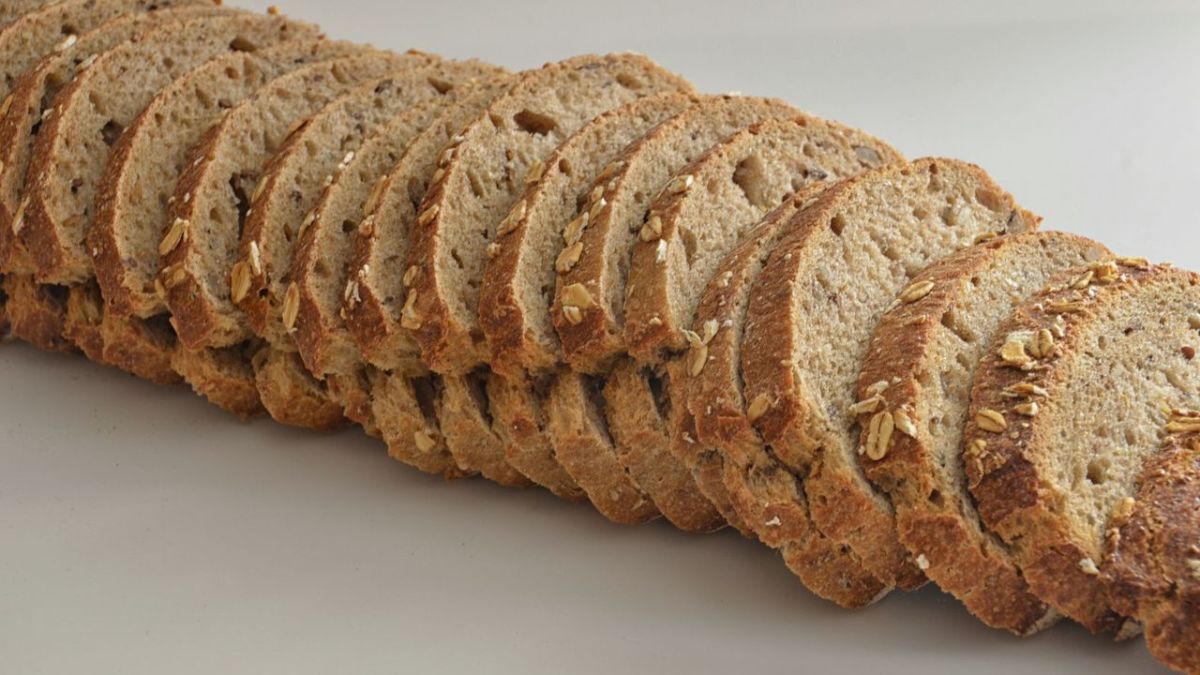
Multigrain simply means a product contains more than one type of grain. That’s genuinely the whole definition. A bread or cracker labelled multigrain might contain wheat, oats, millet and barley, or refined versions of all of those with a sprinkling of seeds on top for visual appeal. The word tells you about variety, not nutritional quality — it’s a description of ingredients, not a guarantee of goodness. A multigrain biscuit made mostly from refined flour with a touch of rye is technically multigrain, and would offer very little fibre or sustained energy. The word has a warm, wholesome feeling to it, which is exactly why packaging leans on it so heavily.
The Difference Fibre Actually Makes
Fibre is a specific nutrient, or rather a family of nutrients, found naturally in plant-based foods. Soluble fibre dissolves into a gel that slows digestion and helps with fullness and blood sugar; insoluble fibre adds bulk and keeps things moving. Most high-fibre foods contain a mix of both.
A high-fibre claim is meant to reflect a real, measurable amount of fibre, not just a feeling the packaging gives you. Whole grains tend to be naturally rich in fibre, since keeping the bran and germ intact preserves that fibrous structure, rather than stripping it back into something smooth and largely hollow. A multigrain product made from whole versions of multiple grains will almost certainly be fibre-rich. But the reverse isn’t guaranteed: multigrain doesn’t automatically mean whole grain, and whole grain doesn’t automatically mean the finished product is high in fibre once everything else is added in.
Where the Confusion Comes From
Packaging does a great deal of work here, and not all of it is entirely honest. Words like “ancient grains,” “seeded,” “wholesome” and “crafted with care” do aesthetic labour rather than nutritional labour, creating an impression of healthfulness without making any verifiable claim. The visual language helps too — earthy browns, linen textures, hand-drawn wheat stalks — reinforcing a feeling of nourishment even when the ingredient list says otherwise.
The nutrition panel and ingredient list are still the clearest way through this. If whole grains appear in the first two or three ingredients, that’s a good sign. As a general rule of thumb, aim for at least half your daily cereal intake — atta, rice, bread, breakfast cereal — to be whole grain rather than refined, since that’s where most of the gut benefit comes from.
Foods That Are Genuinely High in Fibre
The most reliably fibre-rich foods aren’t the ones with elaborate packaging. Whole chana, with its skin on, is one of the highest-fibre everyday Indian foods there is, and moong, rajma, masoor and urad dal all bring meaningful fibre to an everyday plate without needing a wellness rebrand.
Oats are another honest offering, rich in a soluble fibre called beta-glucan that’s been studied extensively for its effect on cholesterol and blood sugar. Brown rice, barley and whole wheat flour all offer meaningful fibre when they’re the real thing, not a refined imitation dressed up in rustic font. The same logic applies to atta: Aashirvaad Namma Chakki 100% Khapli Atta is a whole-grain wheat atta, and on fibre it’s essentially on par with other whole wheat attas, both around 11g per 100g. The real difference shows up against maida, which has roughly a quarter of that, not within the whole-wheat family itself.
Vegetables and fruits deserve a mention they rarely get here — broccoli, carrots, pears, apples and figs are all quietly excellent fibre sources overshadowed by the grain-focused narrative around gut health. A plate built around a variety of plants, legumes and whole grains will naturally be fibre-rich without a single label needing to say so.
Multigrain can be genuinely wonderful — a loaf made from whole oats, rye, millet and wheat is a deeply satisfying thing. But the word alone isn’t enough to go on. Fibre is what the body is actually after, and the foods that deliver it tend to be the ones least interfered with along the way.
If you want a clearer sense of where fibre should actually come from on an Indian plate, “Fibre-Rich Foods in India: Where Your Fibre Should Actually Come From” is a good next read. And for the fuller picture of what fibre does for you in the first place, “Fibre, Without the Lecture: What High-Fibre Foods Actually Do for You” is the place to start.
Checked the Label on Your ‘Multigrain’ Pack?
Next time you pick one up, flip it over. Look for the fibre number per 100g, and check whether a whole grain is named in the first two or three ingredients. That ten-second check tells you more than the front of the pack ever will.
Ask Happy Tummy GPT: “How do I tell if a ‘multigrain’ product on my shelf is actually high in fibre?”
FAQs
Is multigrain bread automatically high in fibre?
Not necessarily. Multigrain only means a product contains more than one type of grain — it says nothing about whether those grains are whole or refined. Check the actual fibre figure on the back of the pack rather than assuming from the front.
What should I look for on a label to know if something is genuinely high in fibre?
Check the fibre content per 100g on the nutrition panel, and look for a whole grain named in the first two or three ingredients. Both together are a far more reliable signal than words like “wholesome” or “seeded” on the front.
Is whole wheat atta different from multigrain atta in terms of fibre?
They can be similar, but it depends on what’s actually in the multigrain mix. A multigrain atta made from whole versions of several grains can be just as fibre-rich as whole wheat atta; one made mostly of refined flour with a small addition of other grains may not be.
This article is intended for general educational purposes and is not a substitute for personalised medical or dietary advice.