Fibre-Rich Foods for Your Plate: Building Fibre In Without a Diet Overhaul
The easiest way to eat more fibre may be to stop treating it like a separate diet and start adding familiar pulses, grains, fruit, vegetables, nuts and seeds to the meals you already make.
Most people don’t need a completely new diet to get more fibre. The strange thing is that fibre can sound like a specialist nutrition project even when many of its best sources are already sitting in an ordinary Indian kitchen: dal, whole chana, rajma, whole-grain rotis, vegetables, guava, nuts and seeds. The gap, when there is one, is often less about discovering new foods than noticing which familiar ones have quietly dropped out of the everyday plate.
The good news is you don’t need to punish yourself with worthy, boring food to fix that. Earthy dal, creamy rajma, a dense bajra roti, roasted chana with evening chai, guava with a little chaat masala — these are all fibre-rich foods, and none of them needs to arrive wearing the expression of a health supplement.
How Much Fibre Do You Actually Need?
There isn’t one fibre number that fits every Indian adult. ICMR-NIN’s 2020 recommended dietary allowances vary by sex and level of physical activity: the reference is lower for sedentary adults and rises with heavier activity. WHO’s current guidance gives a simpler population-level floor, recommending at least 25g of naturally occurring dietary fibre a day for everyone over the age of ten.
That makes the practical question less dramatic than ‘Am I hitting exactly 40 grams today?’ If your meals are mostly built from refined grains with small portions of pulses, vegetables and fruit, there is probably room to add more fibre. If you already eat plenty of whole grains, dal, vegetables, fruit, nuts and seeds, chasing an arbitrary higher number may not be useful at all.
The number is a reference, not a daily exam
ICMR-NIN’s 2020 fibre RDAs vary by sex and activity level rather than assigning every adult the same target. WHO recommends at least 25g of naturally occurring dietary fibre a day for everyone older than ten. If a clinician has given you a specific target for a medical reason, that personalised advice takes priority.
What Fibre Actually Does
Fibre is the part of plant foods that resists digestion in the small intestine. Different fibres behave differently once they get there: some hold water or form viscous gels, some add bulk to stool, and some are fermented by gut microbes. That is why fibre can influence bowel regularity, digestion and the gut environment without every fibre-rich food doing exactly the same job.
The familiar soluble-versus-insoluble distinction is a useful starting point, but it is not a perfect sorting system. Oats, pulses, fruit, whole grains, vegetables, nuts and seeds usually contain mixtures of different fibres. Which is convenient, because it means you do not need to construct separate ‘soluble fibre’ and ‘insoluble fibre’ meals. Variety across ordinary plant foods does most of the work.
Start With the Plate You Already Have
Neha’s weekday thali looks perfectly respectable on paper: roti, a vegetable sabzi, rice, a small bowl of dal when there is some. The useful question is not whether the plate passes a health test. It is simply where one more fibre source could fit without turning dinner into an administrative task.
On a roti-sabzi night, that might mean making sure the dal actually appears rather than remaining a theoretical part of the menu. On a rice night, it might mean rajma, chana, sambar or a vegetable-heavy side. If dinner is already sorted, the easiest addition may happen nowhere near dinner at all: roasted chana at tea time, fruit in the afternoon, or a spoonful of til or flaxseed used in a chutney.
Neha hasn’t been eating badly. She simply stops expecting one ‘healthy’ meal to carry the whole day’s fibre and starts noticing where small additions fit naturally.
Fibre-Rich Indian Foods Worth Keeping in Rotation
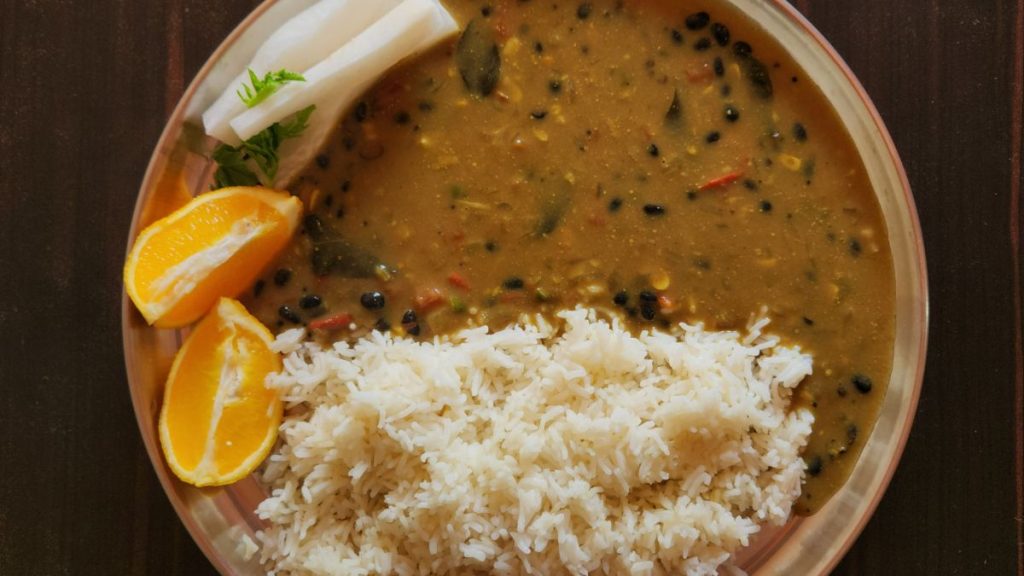
Pulses deserve top billing because they are both familiar and genuinely useful sources of fibre. Whole chana, rajma, whole moong and other pulses are particularly concentrated sources in the Indian Food Composition Tables; split dals contribute too. The useful distinction is not that one pulse wins and the others lose. It is that a katori of dal or chana brings something to the plate that plain refined grain does not.
Whole grains are another obvious place to build fibre in. Bajra, jowar, ragi, whole-wheat atta, oats and brown rice all contribute fibre, although the differences between whole grains are often smaller than marketing language makes them sound. Rotis made with Aashirvaad Namma Chakki 100% Khapli Atta can sit in this same whole-grain slot; the reason to include Khapli is not that it is dramatically higher in fibre than regular whole-wheat atta, but that it is another whole-grain wheat option in the rotation.
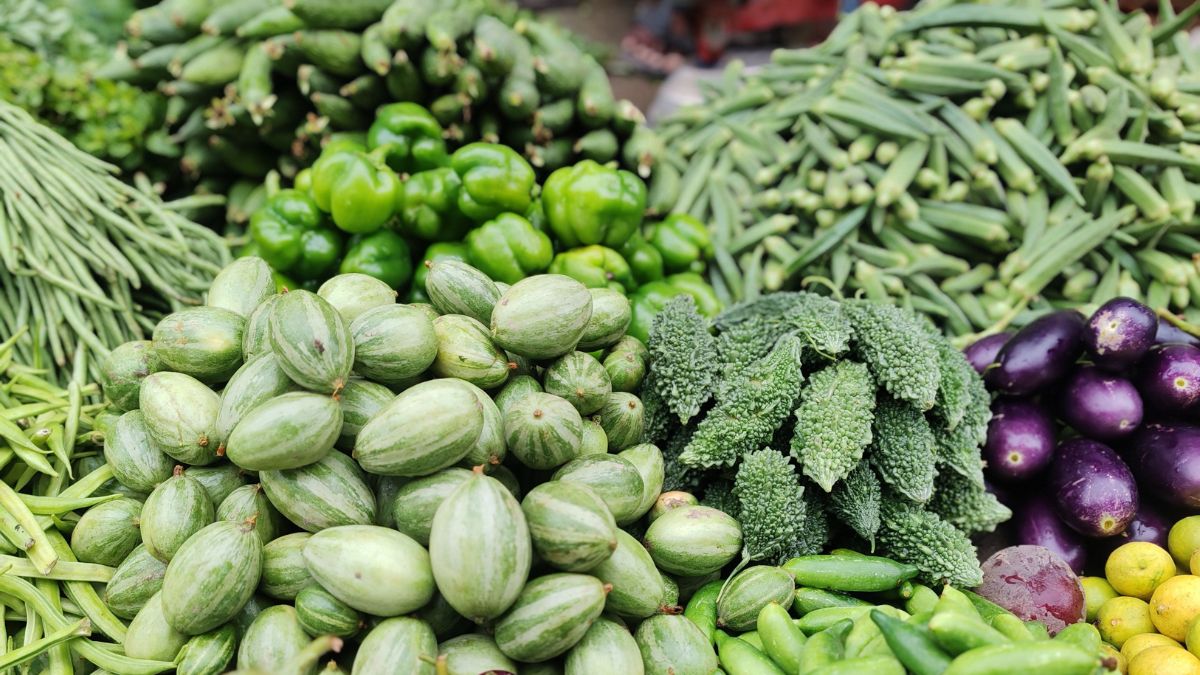
Vegetables and whole fruit do quieter work because we rarely think of them as ‘fibre foods’ in the same way we think of bran or oats. Guava and amla are particularly fibre-rich fruits by Indian composition data, while everyday vegetables add up across the meal. Edible skins can contribute fibre too where they are normally eaten and well washed, but there is no need to force yourself to eat a skin you dislike simply for the sake of a nutrition rule.
Nuts and seeds round things out. Flaxseed, til, peanuts and almonds are easy to use in small amounts, and they bring other nutrients along with fibre. Their per-100g numbers can look spectacular on a chart, but nobody needs 100g of flaxseed in a day. Serving size still matters more than winning a fibre leaderboard.
Where it fits
Fibre-rich foods to rotate
Easy way to build it in
Dal/pulse
Whole chana, rajma, moong, masoor, toor, urad
Keep the katori of dal; rotate in whole pulses through the week
Grain
Whole wheat, Khapli wheat, bajra, jowar, ragi, oats, brown rice
Choose a whole-grain version where it already suits the meal
Add another vegetable to rice, dal, poha or a mixed sabzi
Fruit
Guava, amla, pears, apples, oranges and other whole fruit
Use whole fruit as a snack rather than relying on juice
Nuts/seeds
Flaxseed, til, peanuts, almonds
Add a small amount to chutney, curd, sabzi or an ordinary snack
Layering Works Better Than Overhauling
The most reliable approach is layering rather than replacing everything at once. Keep the meal you already eat and ask what can be added or upgraded without making it less recognisable. Stir peas into rice. Add dal to the thali more consistently. Choose a whole-grain roti when that is easy. Put fruit somewhere in the day; it will actually get eaten. Use nuts or seeds in amounts that belong naturally in the food rather than treating them like medicine.
This also keeps the article’s biggest trap out of your kitchen: believing that fibre has to come from one heroic food. A plate with a whole grain, a pulse and vegetables is drawing fibre from several places before a seed or a fruit has even entered the picture. The daily total is built by accumulation, not by finding the single ingredient with the largest number beside its name.
Increase Fibre Gradually
There is one reason not to turn this into a Monday-morning project. A sudden jump in fibre can bring gas, bloating and abdominal discomfort, particularly when your usual intake has been much lower. The British Dietetic Association recommends increasing fibre gradually so the gut has time to adjust.
Fluids matter alongside it. Some fibres hold water, and adequate fluid helps support comfortable bowel function. That does not mean forcing litres beyond what is appropriate for you because you ate dal. It means not adding large amounts of dry, fibre-dense food while forgetting to drink through the day.
A Quick Plate Check
Instead of counting grams at every meal, look across the day. Did a whole grain show up somewhere? A dal or pulse? Vegetables? A whole fruit? Nuts or seeds in an ordinary portion? You do not need all five categories at every meal, and missing one on Tuesday is not a nutritional emergency. The point is simply to make the sources visible enough that you can see what your usual pattern contains.
If today’s plate is mostly refined grain and one sabzi, the next step is obvious and small. Add one thing. If the plate already carries several plant foods across the day, you may have less of a gap than a generic ‘eat more fibre’ message makes you think.
When More Fibre Is Not Automatically Better
General high-fibre advice does not override a therapeutic diet. Some people with diagnosed gastrointestinal conditions, or people recovering from certain procedures, may be advised to change the amount or type of fibre they eat. In irritable bowel syndrome, for example, NICE recommends reviewing fibre intake rather than simply pushing it higher, and soluble fibre may be better tolerated than insoluble bran for some people.
If a doctor or dietitian has given you specific instructions — low fibre, a particular type of fibre, a low-FODMAP plan, or post-surgical restrictions — those instructions win. This article is for the ordinary question of how to build more fibre into a generally healthy diet, not for replacing a personalised treatment plan.
Ask Happy Tummy GPT
Try this prompt: “Here is what my plate typically looks like across a normal week, including grains, dal or pulses, vegetables, fruit and any nuts or seeds I eat. Can you help me spot one or two realistic places to add more fibre without overhauling the way I already eat?”
The Bottom Line
The useful thing about fibre-rich foods is how ordinary most of them are. Dal, chana, rajma, whole-grain rotis, vegetables, guava, nuts and seeds already belong in Indian kitchens; the job is usually to let more of them show up consistently rather than redesign the entire menu. Add one source where it fits, let your gut adjust, keep fluids adequate, and remember that the plate works as a whole. There is no prize for turning fibre into another diet to be perfect at.
Disclaimer
This article is for general informational and educational purposes only and is not a substitute for personalised medical or dietary advice. Fibre needs and tolerance vary between individuals. If you have a diagnosed gastrointestinal condition, have been prescribed a therapeutic diet, are recovering from gastrointestinal surgery or procedures, or develop severe or persistent symptoms after dietary changes, speak to a qualified doctor or dietitian before making major changes to fibre intake.
What are the best fibre-rich foods for an Indian diet?
Whole pulses such as chana, rajma and moong; dals; whole grains such as wheat, bajra, jowar and ragi; vegetables; whole fruit such as guava and amla; and nuts and seeds are all useful sources. You do not need one 'best' food — variety across several groups is more practical.
How much fibre should an Indian adult eat in a day?
ICMR-NIN's 2020 recommended dietary allowances vary by sex and physical activity rather than giving every adult one fixed number. WHO recommends at least 25g of naturally occurring dietary fibre per day for everyone over ten. Your own needs may differ if you have been given specific medical or dietary advice.
Does whole-wheat or Khapli atta count as a fibre-rich food?
Whole-grain wheat flours contribute dietary fibre and can be part of a fibre-rich plate. Khapli atta is another whole-grain wheat option, but it should not be treated as a dramatic fibre upgrade over ordinary whole-wheat atta. What goes beside the roti — dal, vegetables, pulses and other plant foods — matters just as much.
Can increasing fibre too quickly cause bloating?
Yes. A sudden increase can cause gas or bloating in some people. Build up gradually and keep fluid intake adequate rather than trying to transform the entire diet overnight.
Do I need to count fibre grams every day?
Most people do not need to count every gram. Looking at the overall pattern — whole grains, pulses, vegetables, fruit, nuts and seeds appearing regularly — is usually more sustainable. If you have been prescribed a specific fibre target, follow the advice of the clinician or dietitian who gave it.
Is a high-fibre diet right for everyone?
No. Some digestive conditions and post-procedure diets require the amount or type of fibre to be adjusted. If you have a diagnosed gastrointestinal condition or have been given a therapeutic diet, personalised advice takes priority over general high-fibre guidance.
You are now being directed to an external website https://www.callr.live/aashirvaadexperts/premium-plan.
This link is provided for your information and convenience only and ITC Limited is not
responsible for the contents or services provided by Brand Touch India or any information that
you share with Brand Touch India.