Your Gut During Monsoon
The rains are here. You want pakoras. Your gut wants something else entirely. Here is the honest conversation between you and your digestive system about what monsoon actually requires.
Table of Contents
The rains are here. You want pakoras. Your gut wants something else entirely. Here is the honest conversation between you and your digestive system about what monsoon actually requires.
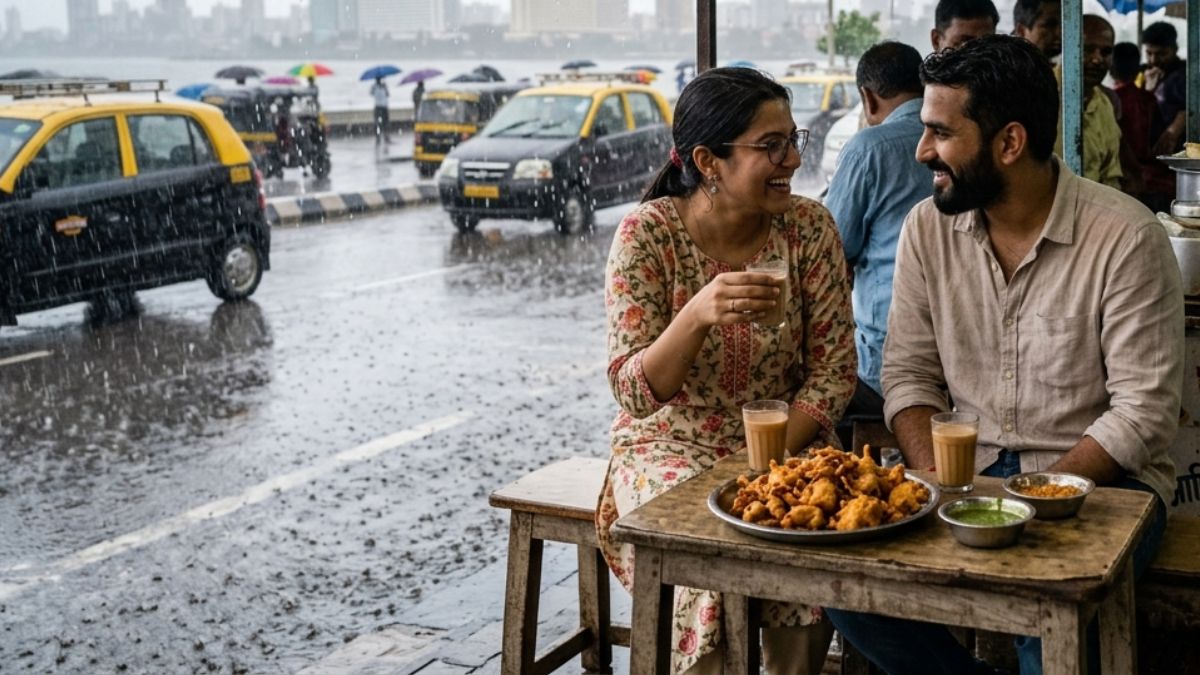
Monsoon is the season that produces the most specific food craving in all of Indian life: fried things, eaten hot, watched through a window at the rain. The pakora. The bhajiya. The samosa from the stall that only feels right when the street outside is wet. This craving is real and it is cultural and it is one of the great pleasures of the season.
It is also, your gut would like you to know, arriving at exactly the moment when the digestive system is at one of its more vulnerable points in the year. The monsoon gut and the monsoon craving are working slightly at cross-purposes, and understanding why makes it possible to enjoy both without the consequences that tend to arrive around week three of sustained pakora season.
Monsoon produces several changes in the gut’s environment that are worth knowing about. The humidity affects the body’s ability to regulate temperature, which means more energy goes into that process and less is available for optimal digestion. The drop in ambient temperature from summer can cause gut motility to slow slightly as the body recalibrates.
More significantly, monsoon is the season of the highest food contamination risk in India. The warmth and moisture create ideal conditions for the bacteria and organisms that cause foodborne illness to proliferate — in water, in raw vegetables, in food that sits out for any length of time. The gut during monsoon is managing a higher microbial challenge than it does in other seasons, which is why digestive infections and stomach upsets peak during and immediately after the rains.
Traditional Indian monsoon food wisdom — avoid raw salads, eat cooked food, favour warm meals, be careful with leafy vegetables, avoid street food you can’t verify — is not superstition. It is practical food safety that developed in response to exactly this seasonal risk.
The pakora is not the problem. Freshly made, eaten hot, from a clean kitchen — the gut handles a monsoon pakora occasion with reasonable equanimity. The issue is the pattern: fried food eaten consistently, often as a replacement for proper meals, from sources whose freshness cannot be guaranteed, throughout the three to four months of the monsoon season.
Fried food is harder for the gut to process than cooked whole food. In a season when the gut is already dealing with a higher microbial load and slightly reduced motility, consistently high-fat, low-fibre eating accumulates. The specific monsoon gut complaint — the sluggishness, the digestion that feels unreliable, the bloating that has no obvious food trigger — is often this accumulation rather than any single meal.
The mitigation is the same pattern we have seen across this series: one proper meal a day that is not fried, not rich, and contains actual fibre. A Khapli dal-roti that anchors the day. Aashirvaad Chakki Khapli Atta provides the bran-intact fibre that keeps the gut moving through a season when it wants to slow down. One sustaining meal, made from a whole grain, alongside the pakoras that the season demands.
There is a reason that monsoon eating across almost every Indian culinary tradition emphasises warm, cooked food over raw and cold. The gut processes warm food more easily than cold food in cooler, damper conditions — the digestive enzymes work more efficiently at body temperature, and warm food requires less energy to bring to processing temperature. A warm bowl of dal or a freshly made roti is gentler on the monsoon gut than a cold salad or refrigerated food eaten straight from the fridge.
Soups and khichdi earn their monsoon reputation here. Khichdi — rice and moong dal cooked together with turmeric and ghee — is one of the most easily digestible meals available and one that the gut processes comfortably even when it is already managing the higher background challenge of the season. It is not a sick-day food. It is a wise-day food.
It is easy to drink less water during monsoon because the heat that drives thirst in summer is absent. The gut’s water requirement does not decrease with the temperature, and the humidity, while less dehydrating than summer heat, still removes fluid from the body. Mild dehydration during monsoon is very common and contributes to the sluggish digestion that many people experience through the season without identifying the cause.
Warm water, herbal teas, a small glass of jeera water after meals — these are the hydration forms the gut handles best in monsoon. Cold water on a rainy day is physiologically less ideal than warm, though not harmful in moderation.
Your gut is not refusing the pakora. It is asking for one good meal alongside it. The pakora for the season, the dal-roti for the gut. Both can exist.
Monsoon is worth enjoying. Your gut will manage the season well if it has something whole and warm to anchor itself on between the fried things.
This article is part of the Your Gut During… series on Happy Tummy. For general informational purposes only — not medical or dietary advice. Read more of the series here:
Your Gut During Wedding Season
Your Gut During Festival Season
Your Gut During Summer
Your Gut During a Work Trip
Your Gut During Exam Season
Your Gut During Holiday Travel
Your Gut During Long Commutes
Your Gut During Back-to-Back Celebrations