Khapli Is Not a Shortcut: Why the Rest of the Plate Still Matters
Khapli can contribute meaningful fibre, but it cannot replace dal, vegetables, seeds or water. Here’s why the rest of the plate still matters.
Table of Contents
Khapli can contribute meaningful fibre, but it cannot replace dal, vegetables, seeds or water. Here’s why the rest of the plate still matters.
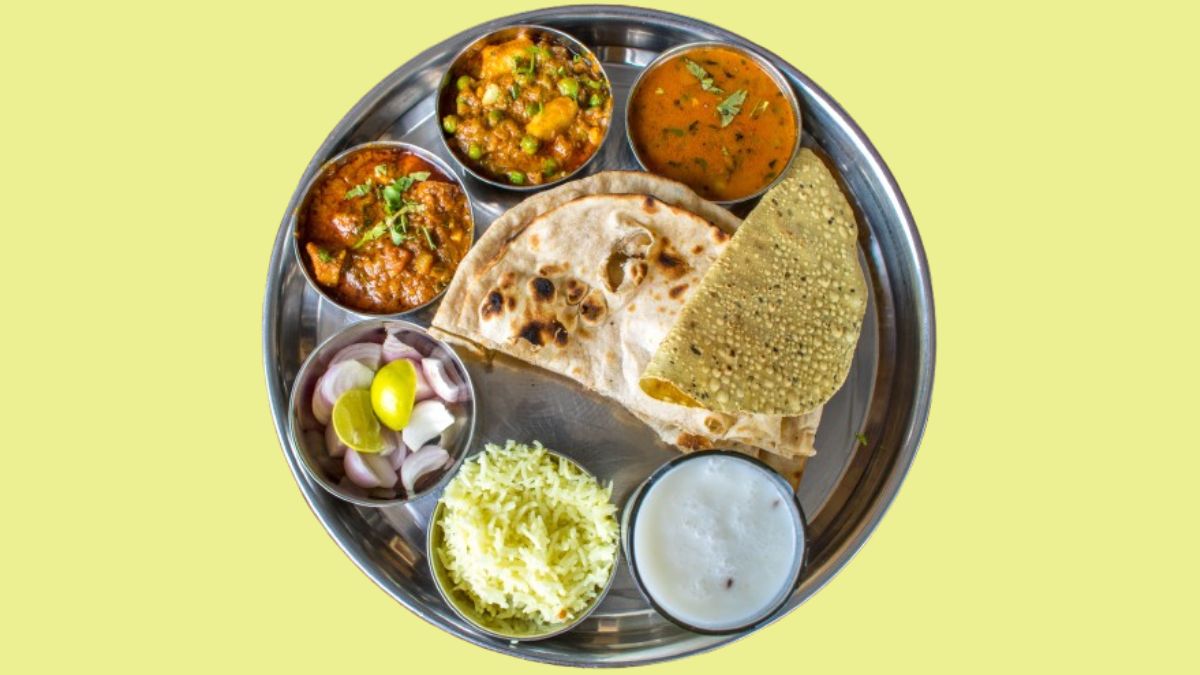
A Khapli roti is a good roti. It is not, on its own, a fix for anything — not low fibre intake, not irregular digestion, not a generally unbalanced plate. Three Khapli rotis contribute a genuine, verifiable quarter of a day’s ICMR fibre target, which is worth knowing and worth valuing. It is also, by definition, three-quarters short of the full picture. Nothing about switching to Khapli changes that arithmetic — the rest of the plate still has to show up, exactly as it did before Khapli entered the kitchen.
It’s an easy assumption to slide into: a ‘better’ or more deliberate atta choice can feel like it’s doing more work than it actually is, simply because it was a conscious decision. Someone who switches to Khapli might unconsciously relax other habits — a smaller helping of dal here, skipping the vegetable there, less attention to water — on the assumption that the atta is now covering for it. The fibre maths doesn’t support that assumption, and this piece exists specifically to say so plainly.
It’s not a coincidence that ‘premium’ or more deliberate food choices tend to come with a quiet halo effect — a sense that a more conscious decision in one place earns some slack elsewhere. It happens with any food positioned as a better choice, not just atta, and it’s worth naming because recognising the pattern is most of what’s needed to avoid it. Choosing Khapli is a genuinely good decision. It just isn’t a decision that does the job of three or four other decisions at the same meal.
Two Khapli-roti dinners, same household, two different weeks. One: two rotis, a katori of moong dal, a sautéed vegetable, a glass of water on the table. The other: two rotis, pickle, eaten in front of the television with no water nearby. The roti and the atta are identical in both. The fibre, the hydration, and very likely how each meal actually feels afterwards are not. Nothing about Khapli changed between the two — everything else did.
Two Khapli rotis add roughly 6.8g of fibre; three add roughly 10.3g — about a quarter of the ICMR-NIN daily target of 40g, covered in full in The Fibre Math of Khapli Rotis. That’s a real, useful contribution. It was never going to be the whole target on its own, regardless of which atta was used — no single food in this series carries that load, and Khapli was never positioned as an exception to that rule.
| ⓘ What Khapli Roti Alone Doesn’t Do Doesn’t replace the fibre a dal or pulse contributes — several carry more fibre per 100g than Khapli does. Doesn’t replace the vegetables and fruit ICMR recommends making up roughly half the plate. Doesn’t hydrate you — fibre still needs water to do its job properly, regardless of which atta it came from. Doesn’t change eating pace or portion size — both still shape how a meal feels, Khapli or otherwise. |
Chana, with skin, carries about 25.22g of fibre per 100g — more than double Khapli’s figure. Moong carries about 17.04g, flaxseed about 26.17g. A regular katori of dal, a vegetable serving, and a spoon of seeds throughout the day are still doing more of an Indian thali’s fibre work than the roti is, exactly as covered in The Fibre Math of an Indian Meal and Fibre Variety, Not Just More Fibre. Switching the roti’s flour to Khapli doesn’t change any of those other numbers — they were never the roti’s job to begin with.
Fibre — from Khapli, whole wheat, or any whole grain — works partly by absorbing water as it moves through the gut. Increasing fibre, including by eating more Khapli roti, without increasing water alongside it can make things feel more sluggish rather than easier. This is its own piece in this series, Fibre Needs Water, and the logic there applies identically here: the atta doesn’t change the water requirement.
A Khapli roti meal eaten too fast, in too large a portion, or alongside a particularly oily sabzi is just as capable of feeling heavy as the same meal made with any other atta — covered in When Your Roti Meal Feels Heavy, Don’t Blame the Atta First. The flour was never the variable doing the most work in that equation, and it still isn’t.
| ⓘ The Plate Test Still Applies A whole-grain roti (Khapli or otherwise) A dal or pulse A vegetable Enough water alongside the meal All four parts of the Roti Plate Test matter exactly as much with Khapli in the mix as without it — Khapli fills one box, not all four. |
None of this is a criticism of choosing Khapli as an everyday atta — it’s a genuinely good whole-grain option, and a household that eats it daily is making a reasonable, fibre-sound choice. The point is narrower: that choice doesn’t do the job of the rest of the plate, and treating it as though it does is the one way a good habit can quietly create a false sense of completeness. The fix isn’t eating less Khapli — it’s making sure dal, vegetables and water are still showing up alongside it, the same way they would alongside any other whole-grain roti.
Khapli often costs more than a standard atta, and for households making that choice deliberately, it’s worth getting the full value from it — not in a financial sense alone, but in the sense of actually building the plate the grain deserves to sit on. A Khapli roti eaten with pickle and nothing else gets exactly the same fibre and texture benefit it would with a fuller plate; what changes is everything around it. The investment in a better atta is best matched by an equally unhurried approach to what goes next to it.
Khapli is one good part of a fibre-friendly plate, not a stand-in for the rest of it. The maths in this series has always pointed the same way, with or without Khapli in the picture: variety across the plate, not any single ingredient, is what actually closes the gap to a day’s fibre target.
Disclaimer: This article is for general informational purposes only — not medical or dietary advice.
Not on its own — like any whole-grain atta, Khapli contributes fibre as part of a balanced plate. Dal, vegetables and water still need to be present for the meal to be genuinely fibre-friendly.
No — Khapli's fibre contribution doesn't replace what dal and vegetables provide. Several pulses carry more fibre per 100g than Khapli does.
No — three Khapli rotis contribute roughly a quarter of the ICMR daily target. The rest needs to come from dal, vegetables, seeds and fruit.
No — fibre from any whole-grain atta, including Khapli, works better paired with enough water. The hydration requirement doesn't change based on which atta is used.
It isn't 'bad', but it is incomplete — Khapli is one good contributor among several. A plate built only around the roti, regardless of which atta, will be short on fibre compared to one that includes dal and vegetables too.
It's a common pattern with any food positioned as a healthier choice — a conscious decision in one place can create a false sense that less attention is needed elsewhere. It's worth noticing, not a fault specific to Khapli.
Run the four-part Roti Plate Test: a whole-grain roti, a dal or pulse, a vegetable, and water alongside. If all four are present, the meal is doing what it needs to, regardless of which atta is in the roti.