Barley for Gut Health: What the Research Actually Says
Barley is a nutritious whole grain and a good source of beta-glucan, but Indian millets offer comparable fibre. Here’s what barley genuinely brings to your everyday diet.
Table of Contents
Barley is a genuinely nutritious whole grain with one specific, well-evidenced gut-health property that most of the internet’s barley content gets right: it’s a strong source of beta-glucan, a type of soluble fibre with solid research behind its effects on cholesterol and blood sugar (in people already managing those conditions). For everyday gut comfort in a broadly healthy diet, barley is a useful whole grain — but probably not the dramatic upgrade over the whole grains already in most Indian kitchens that its 165,000 monthly searches might imply.
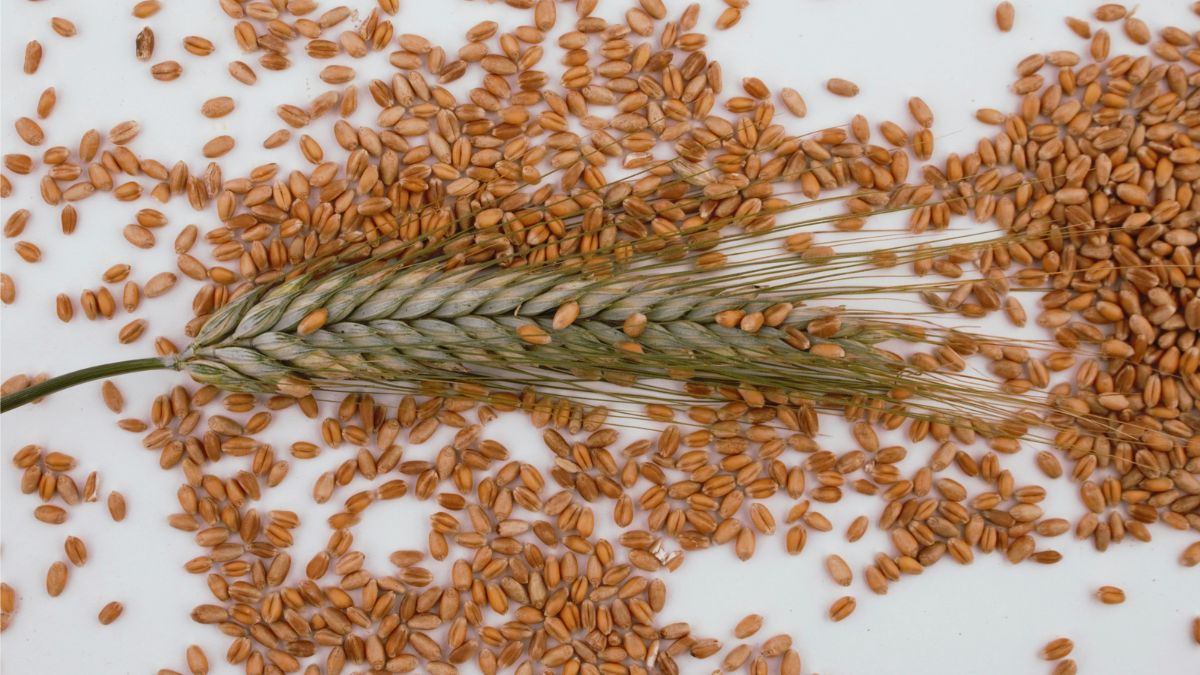
Barley (jau in Hindi) is one of the oldest cultivated grains in the world, eaten across Central and South Asia, the Middle East and Europe for thousands of years. In India, it features in traditional preparations like sattu (a roasted grain powder mixed with water, a North Indian staple), jau ka atta for flatbreads, and barley water, which has a long history as a traditional cooling and digestive drink. It’s a whole grain when the outer bran layer is retained (hulled barley), and loses some of this benefit when processed to pearled barley, which has had the bran removed.
The most well-supported nutritional property of barley is its beta-glucan content — a specific type of soluble fibre that forms a gel in the digestive tract and has been associated in research with modest reductions in LDL cholesterol and post-meal blood sugar spikes, in populations where these are concerns. This is a genuine, peer-reviewed finding that has earned barley a reasonable reputation in the international whole-grain literature. It’s worth being specific about what this means, though: the beta-glucan research relates to people managing specific conditions, not to general gut comfort in an otherwise healthy person. The claim that ‘barley is good for digestion’ in the broadest, everyday sense is directionally true but sits at a different confidence level from the beta-glucan evidence.
| ⓘ What the Research Does and Doesn’t Say About Barley Beta-glucan: well-evidenced for modest cholesterol and blood-sugar effects in those managing these conditions General digestive comfort: reasonable whole-grain benefit, consistent with fibre from most whole grains Better than Indian millets for gut health: not established — Indian millets have comparable fibre levels No IFCT 2017 figure for barley is included in this series’ verified briefing — directional language used throughout No GI claims, no ‘cures’ framing |
Barley’s fibre content is in a broadly comparable range to Indian millets — bajra (~11.49g per 100g, IFCT 2017), ragi (~11.18g), jowar (~10.22g) and whole wheat atta (~11.36g) are all well-verified whole-grain fibre figures. Barley’s specific advantage, if it has one over these grains, is the beta-glucan concentration specifically — but most Indian households consuming millets, whole wheat and dals are already getting good whole-grain fibre from multiple sources. Barley is worth knowing about as an additional option, not as a necessary upgrade.
Sattu is probably the most distinctively Indian preparation — roasted barley ground into flour, mixed with water and salt or jaggery, traditionally drunk by labourers and farmers across Bihar, Jharkhand and UP as a high-energy, cooling staple in summer. Barley water (jau ka paani) is a traditional home remedy, served warm or cooled, and drunk both medicinally and as an everyday drink in some households. Barley rotis or khichdi represent less common but practical ways to include it as a regular grain. None of these preparations requires treating barley as a health supplement — they’re simply uses of an ordinary grain with a long Indian culinary history.
Not all barley in a grocery store is the same. Hulled barley retains its outer bran layer and is a genuine whole grain. Pearled barley has had the bran removed for faster cooking and a softer texture — it loses some of the fibre and beta-glucan in the process. If gut-health benefits are the reason you’re buying barley specifically, hulled is the more nutritionally intact option. If you’re cooking barley for taste and convenience in a soup or grain salad, pearled is fine and cooks considerably faster.
If barley’s gut-health appeal has made you curious about Indian whole grains with comparable properties, this series covers them directly. Millets, Explained gives the fuller picture of bajra, jowar and ragi as everyday Indian whole-grain options. And for the broken-wheat / dalia angle — another traditional Indian whole grain with a breakfast-fibre story — Is Dalia (Broken Wheat) a Good Breakfast for Your Gut? covers that ground.
Barley is a useful addition to this series not because it’s a dramatically better gut-health grain than Indian alternatives, but because it’s a grain a lot of people search for, and those searches deserve an honest answer. The honest answer is: yes, it’s a nutritious whole grain; yes, the beta-glucan research is real; no, it doesn’t outperform Indian millets and whole grains in everyday use; and the best gut-health move most people can make is eating a variety of whole grains regularly, rather than treating any single one as the solution.
Barley water — grain simmered in water, then strained and served warm or cold, sometimes with lemon or jaggery — is a traditional preparation with a long history across India and South Asia as a cooling drink and a home remedy for digestive and urinary discomfort. This series doesn’t position it as a medicine, but it’s worth knowing about as a culturally rooted, genuinely traditional use of the grain that goes well beyond the ‘health grain’ marketing framing it often gets abroad.
A question that often sits beneath ‘is barley good for gut health?’ is a more specific one: is it good for constipation? Barley does add fibre to the diet, which is relevant, but the most direct evidence for constipation-specific benefits in the research literature points to psyllium (isabgol), kiwifruit and certain probiotics more strongly than to barley specifically — the same nuance this series has applied to fibre and constipation across all three of its companion series. Barley is a useful, fibre-contributing whole grain; it’s not a more targeted constipation remedy than a generally fibre-rich diet would be.
Disclaimer: This article is for general informational purposes only — not medical or dietary advice.
Barley is a nutritious whole grain with a well-evidenced beta-glucan content (a type of soluble fibre) associated with modest cholesterol and blood-sugar effects. For general everyday gut health, it's comparable in benefit to other whole grains.
Beta-glucan is a type of soluble fibre that forms a gel in the digestive tract. Barley (and oats) are particularly rich sources; research associates it with modest effects on LDL cholesterol and post-meal blood sugar in relevant populations.
Not clearly — Indian millets like bajra, ragi and jowar carry comparable whole-grain fibre. Barley's specific beta-glucan concentration may be relatively high, but Indian households eating varied whole grains and dals are already getting good fibre variety.
Hulled barley is a whole grain (bran retained); pearled barley has had the bran removed for faster cooking. For fibre and beta-glucan specifically, hulled is the more nutritionally intact option.
Sattu is roasted barley (or sometimes chickpea) flour, traditionally eaten mixed with water across parts of North and East India. It's a nutritious, high-energy traditional food — the barley version is a genuine whole-grain preparation.
Barley khichdi, barley rotis, sattu drink, or barley water are all traditional Indian preparations. Pearled barley can also be used in soups or as a rice substitute if unfamiliar with the traditional formats.
Barley water has a long traditional use as a cooling and digestive drink across India and South Asia. This series describes it as a culturally rooted traditional preparation rather than a proven digestive medicine.
Yes — jau is the Hindi name for barley, used across North India for flatbreads, sattu and barley water preparations.